About

Bukhansan National Park is located in the most northeastern corner of South Korea.  The national park encompasses an area of 30.86 square miles (79.92 sq km).

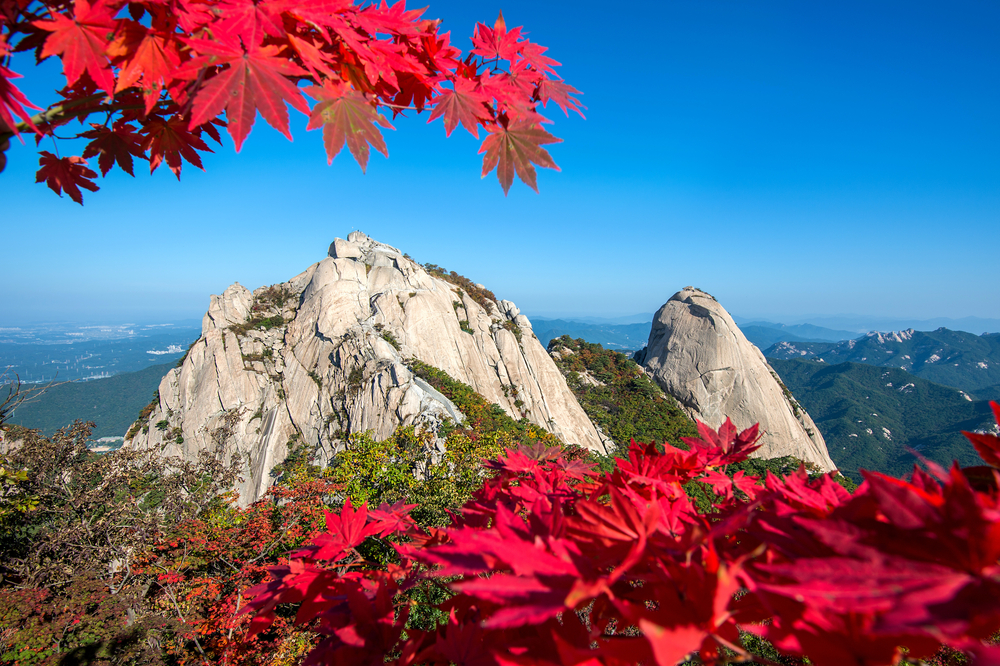
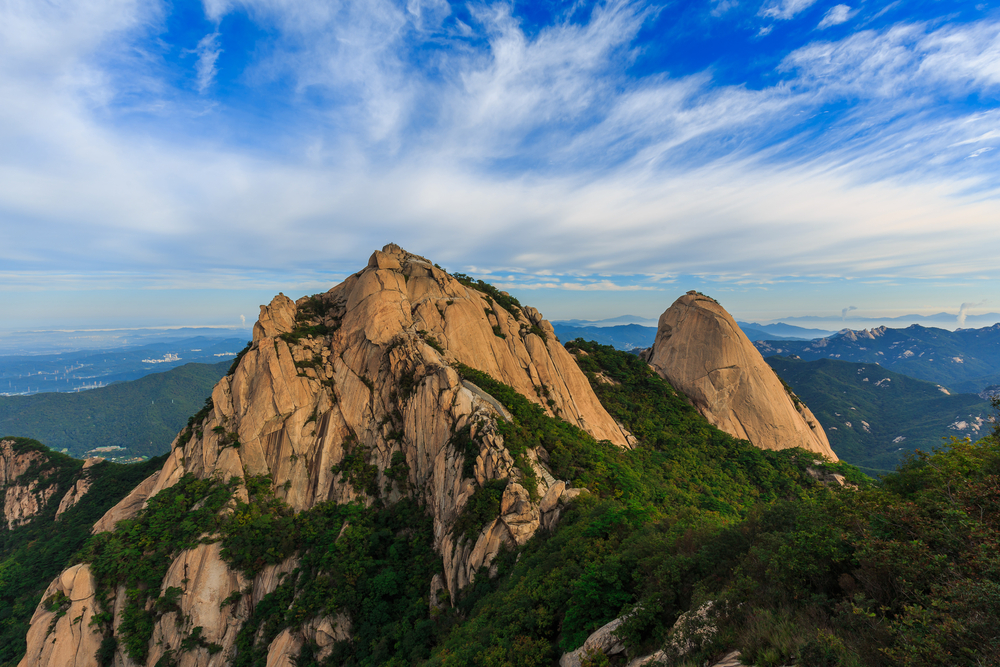
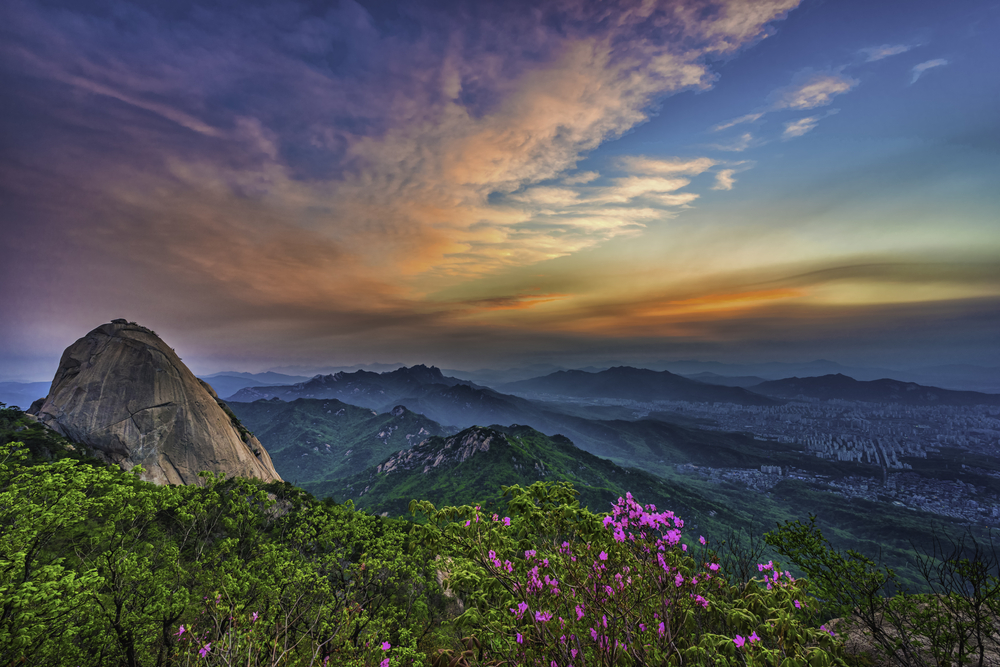
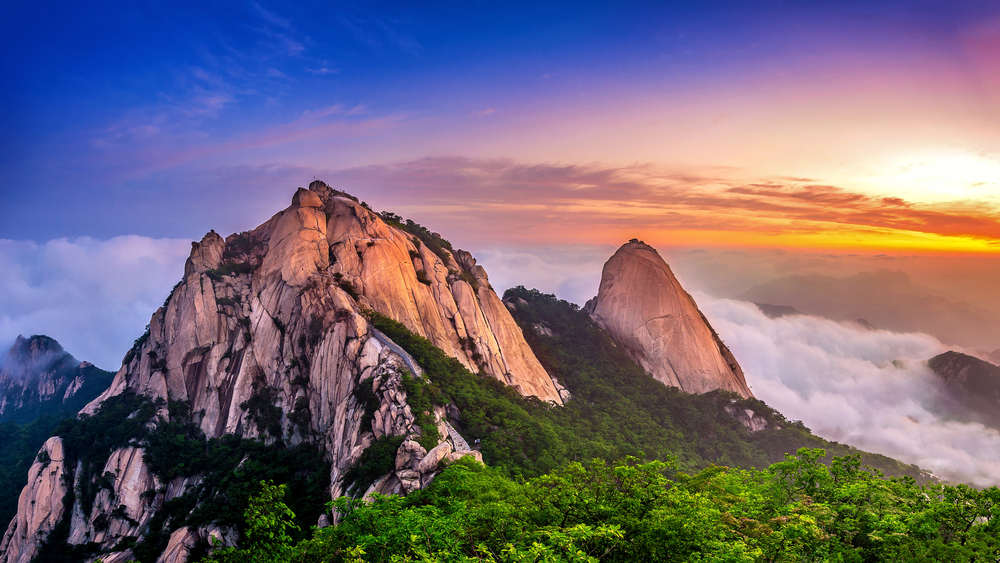
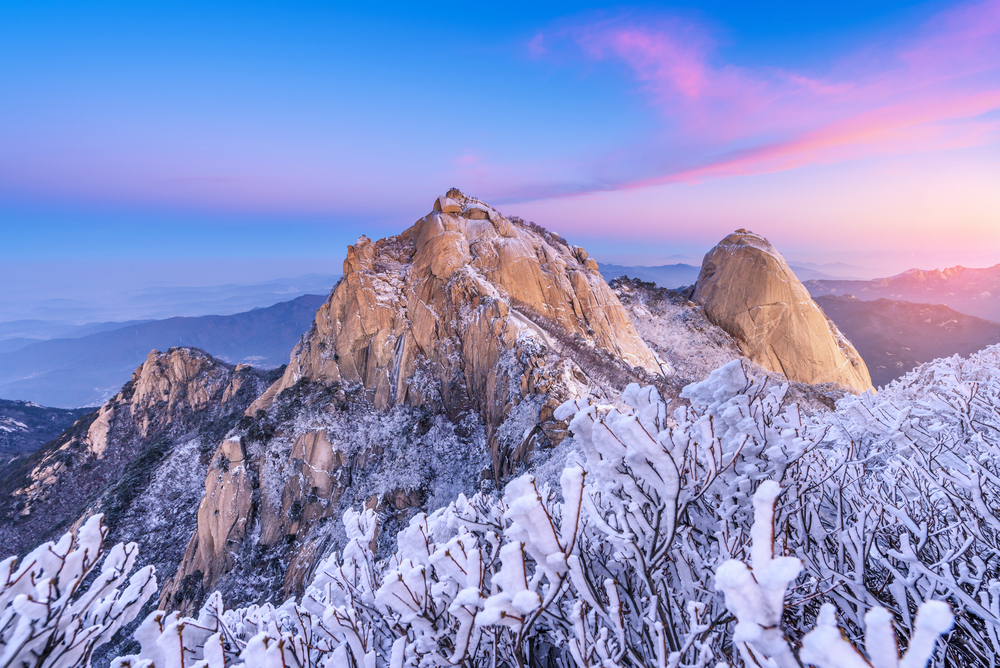
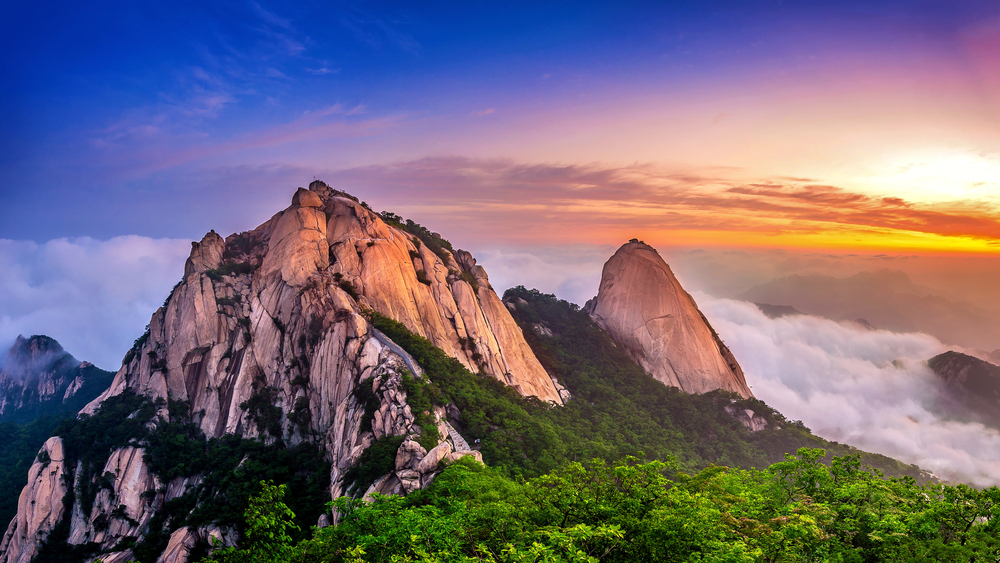
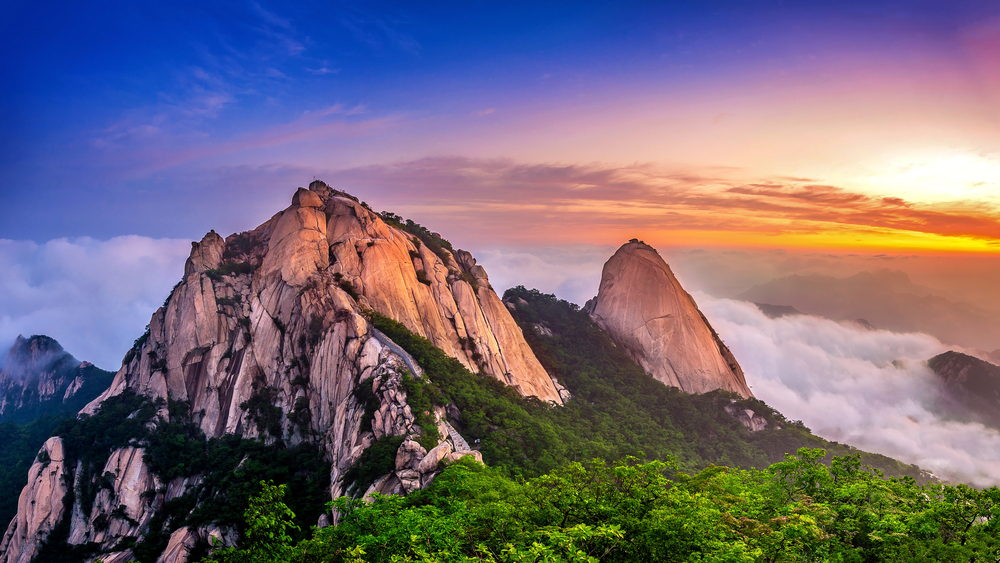
Temples are part of the cultural experience found in Bukhansan.  The park is comprised of granite summits that are surrounded by forest areas.  Baekundae is the tallest summit reaching a height of 2,744 feet (836.5 m), however, the whole area is quite remarkable.

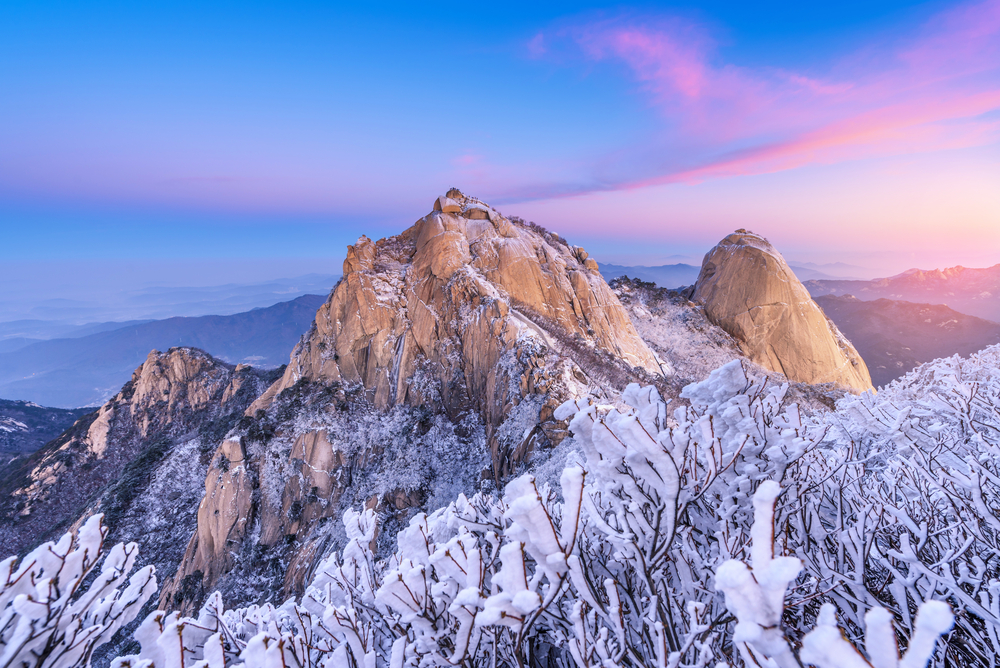
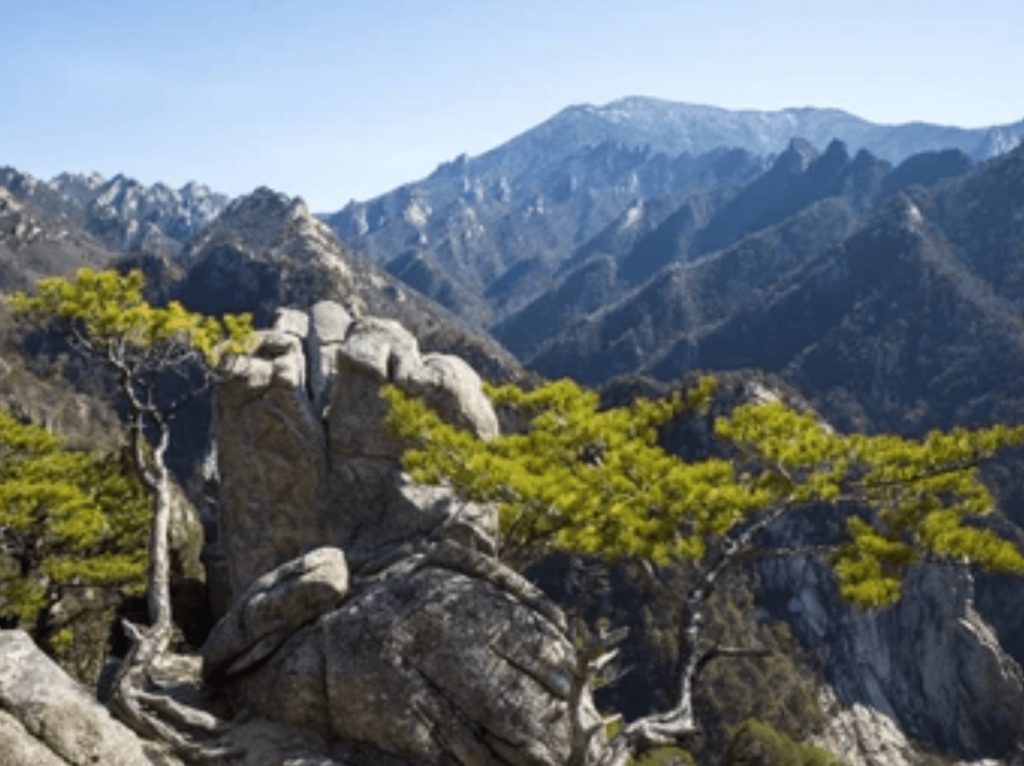
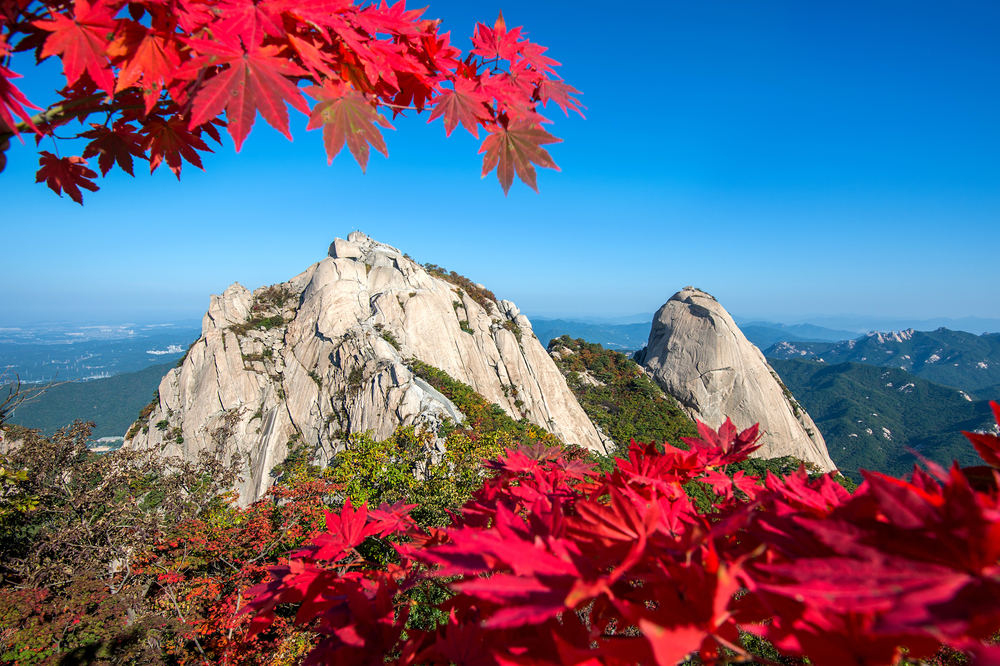
Insubong is the second tallest at 2,659 feet (810.5 m) with Mangnyeongdae coming in third at a height of 2,623 feet (799.5 m).  The mountains are stunning and with the neighboring forest create a spectacular picturesque landscape.  The rugged rocks peaking out over the forests are magnificent.

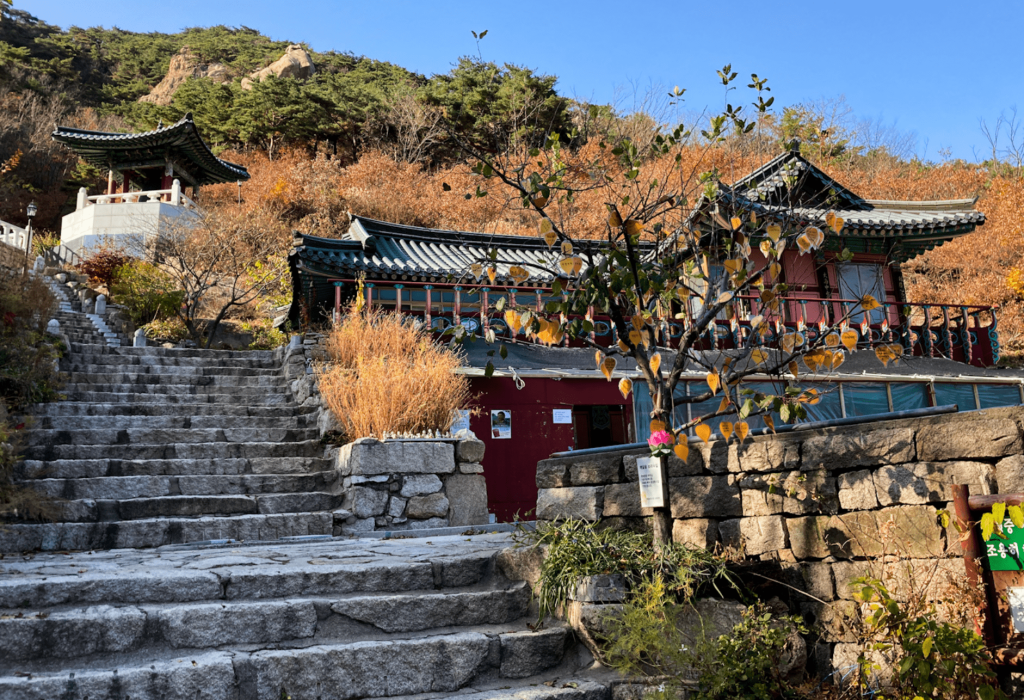
The Bukhansanseong Fortress was constructed back in the 1700s and is part of the main draw of the park.  In addition to the fortress, there are other temples and historical facets. Only 6 of the original 13 Buddhist temples remain.  These temples originally served as places for the monks, however, today they are not operational and serve as part of the historical protected architecture.

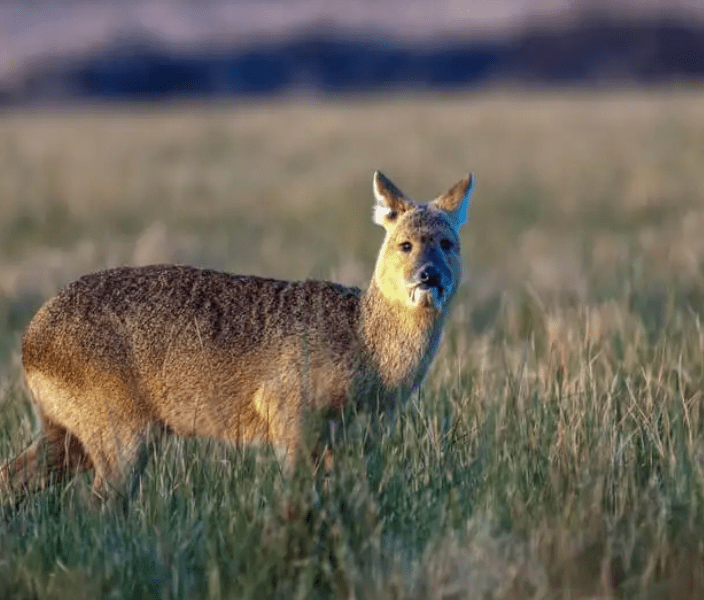
The national park is not known for wildlife, but there is some there.  Water deer, wild boar, and a variety of smaller animals like chipmunks and squirrels are found throughout the park.  More prominent is the abundant bird species which makes this a great place for birdwatchers.  There are multiple species of woodpeckers, songbirds, and even predator species.

Things to See

The Bukhansanseong Fortress nestled within the mountainous forested area is the leading attraction of the park.  The fortress, temples, walls, and supporting structure are excellent examples of Korean architecture from the time period.  These cultural and historical facets are all surrounded in stunning natural landscapes.

Bukhansanseong Fortress

The Bukhansanseong Fortress is an example of Korean castle architecture and a unique structure from the Joseon period built during the year 1711.  It served as a royal retreat and there are 120 rooms, 16 gates with 6 of them classified as great gates.  It stretches a distance of 7.89 miles (12.7 km) and covers an area of 16 square miles (6.2 sq km).

Predators

Predators

Bukhansan National Park, cradled in South Korea, is home to various predator species vital for its ecological harmony. Among these, the Eurasian lynx, Amur leopard, and Asiatic black bear stand out.

Eurasian Lynx: This elusive feline is a solitary hunter, preying on smaller mammals like rabbits and rodents. Rarely spotted due to its secretive nature, the lynx plays a crucial role in controlling prey populations, contributing to the park’s biodiversity.

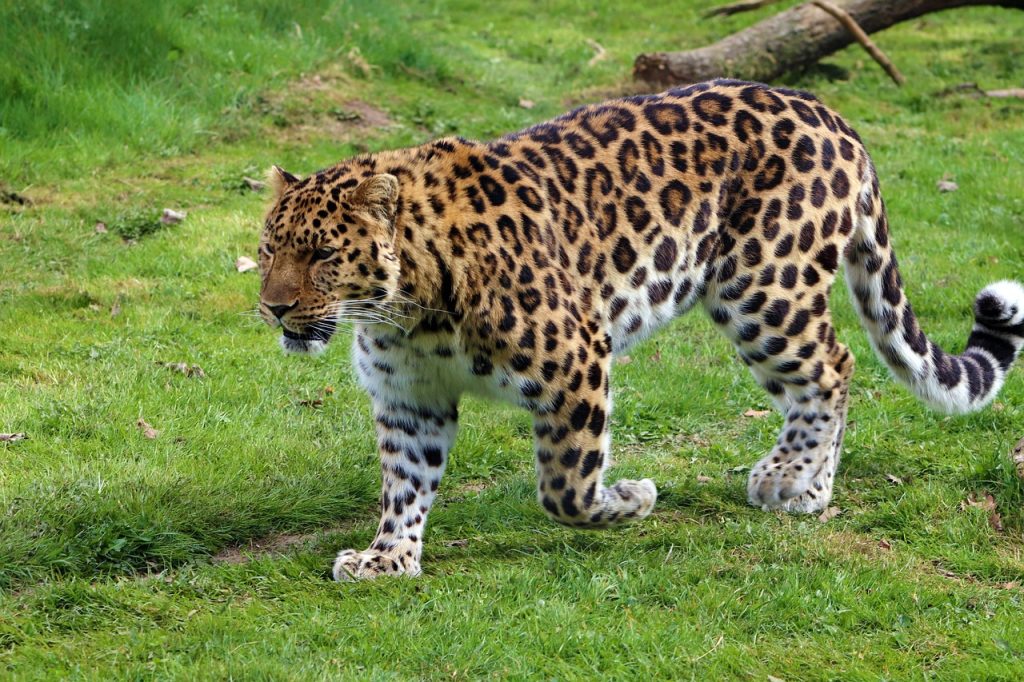
Amur Leopard: Known for its adaptability, the Amur leopard prowls Bukhansan’s forests, preying on deer and small mammals. Its presence underscores the park’s ecological balance, highlighting the importance of conserving this endangered species.  It is very elusive.

Asiatic Black Bear: These omnivores play a vital role in maintaining the park’s ecosystem by foraging on fruits, insects, and occasionally small mammals. While encounters are rare, visitors should adhere to safety guidelines to minimize conflicts.

Asian Golden Cat: This medium-sized wildcat is native to the region and preys on small mammals, birds, and reptiles. Its secretive nature makes sightings rare, but its presence contributes to the park’s ecological diversity.

Leopard Cat: As a smaller predator, the leopard cat primarily hunts rodents, birds, and insects. Its stealthy behavior and nocturnal habits make it challenging to spot, but it plays a crucial role in controlling small mammal populations within the park.

Popular

Popular

Bukhansan National Park is not known for larger wildlife species, but it is still home to a diverse collection of animals. Among its notable inhabitants are mammals, reptiles, and amphibians, each contributing to its ecological richness.

Korean Water Deer: Known for its unique tusks and aquatic habits, the Korean water deer frequents rivers and marshy areas within the park. Despite its name, it is more closely related to muntjacs than true deer.

Korean Goral: These agile ungulates navigate the park’s rocky slopes with ease, grazing on grasses, leaves, and shrubs. Their impressive climbing abilities enable them to access otherwise inaccessible terrain.

Mandarin Rat Snake: This non-venomous snake species is endemic to East Asia, including Bukhansan. With its vibrant coloration and slender physique, it is a fascinating sight for reptile enthusiasts.

Korean Pond Frog: Found in the park’s wetlands and water bodies, the Korean pond frog is known for its distinctive call during the breeding season. Its presence indicates the health of freshwater ecosystems within the park.

Korean Long-tailed Salamander: This amphibian species inhabits streams and forested areas, where it feeds on insects and small invertebrates. Its elongated body and vibrant coloration make it a unique addition to the park’s biodiversity.

Korean Field Mouse: As a common small mammal species in Bukhansan, the Korean field mouse plays a vital role in seed dispersal and ecosystem dynamics.

Korean Striped Racer: This non-venomous snake species is known for its impressive speed and agility. It preys on small rodents and insects, contributing to the park’s pest control efforts.

Korean Five-lined Skink: These lizards are commonly found basking in the sun on rocks and tree trunks. With their striking blue tails and intricate patterns, they are a favorite among reptile enthusiasts.

Korean Fire-bellied Newt: This colorful amphibian species inhabits ponds and wetlands, where it displays its vibrant orange and black markings as a warning to predators.

Korean Yellow-bellied Toad: With its distinctive yellow underbelly and bumpy skin, the Korean yellow-bellied toad is a fascinating amphibian species found in Bukhansan National Park.

Birds

Birds

Bukhansan National Park is not only renowned for its stunning landscapes but also for its rich avian diversity. From majestic raptors to colorful songbirds, the park offers a haven for birdwatchers and nature enthusiasts.

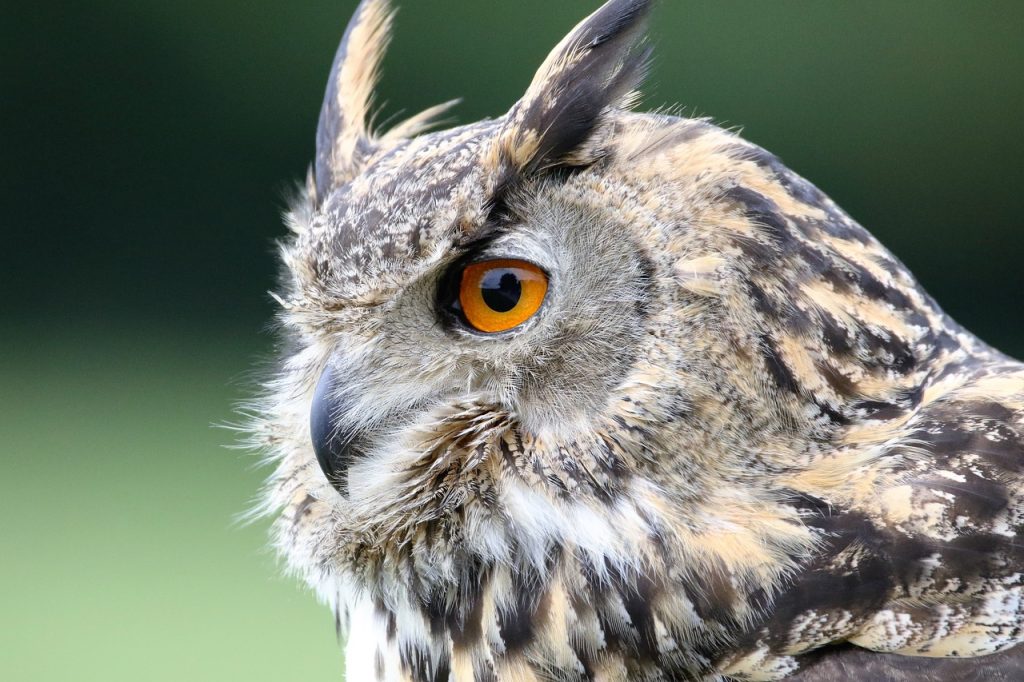
  1. Eurasian Eagle-Owl (Bubo bubo): With its distinctive tufted ears and piercing yellow eyes, the Eurasian eagle-owl is a formidable predator of the park’s nocturnal skies. Known for its haunting calls echoing through the valleys, it is a symbol of wilderness and mystery.
  2. Common Pheasant (Phasianus colchicus): The male common pheasant’s iridescent plumage and long tail feathers make it a striking sight amid the park’s woodlands and grasslands. Its resonant crowing serves as a quintessential sound of rural Korea.
  3. Eurasian Jay (Garrulus glandarius): This intelligent and adaptable corvid species is often spotted flitting among the trees, where it forages for acorns, seeds, and insects. Its striking blue and white plumage and harsh alarm calls make it a familiar presence in Bukhansan.
  4. Eurasian Magpie (Pica pica): With its bold black-and-white plumage and long tail, the Eurasian magpie is a ubiquitous sight in the park’s urban and forested areas. Highly vocal and social, it forms intricate family groups and exhibits complex behaviors.
  5. Oriental Turtle Dove (Streptopelia orientalis): Recognizable by its gentle cooing and elegant plumage, the oriental turtle dove is a common resident of Bukhansan’s woodlands and scrublands. Its mournful call adds a soothing soundtrack to the park’s tranquil atmosphere.
  6. Grey-headed Woodpecker (Picus canus): This medium-sized woodpecker is often heard drumming on trees with its powerful beak. Its distinctive grey head and barred underparts make it easily identifiable as it searches for insects beneath the bark.
  7. Coal Tit (Periparus ater): Small but energetic, the coal tit flits among the branches in search of insects and seeds. Its distinctive black cap and white cheek patch make it a charming addition to the park’s avifauna.
  8. White-backed Woodpecker (Dendrocopos leucotos): This striking woodpecker species, with its black-and-white plumage and vivid red crown, can be spotted probing for insects in the park’s mature forests. Its drumming echoes through the trees during the breeding season.
  9. Varied Tit (Sittiparus varius): The varied tit’s cheerful calls and acrobatic movements make it a delight to observe in the park’s mixed forests. Its bold black-and-white head pattern and yellow underparts distinguish it from other tit species.
  10. Brown Dipper (Cinclus pallasii): Found along the park’s mountain streams and waterfalls, the brown dipper is a master of aquatic foraging. With its unique habit of diving into fast-flowing waters in search of prey, it epitomizes the park’s dynamic ecosystem.
Over 100 Peaks

Over 100 Peaks

Towering above Seoul, the peaks of Bukhansan National Park offer breathtaking vistas and exhilarating hiking opportunities for outdoor enthusiasts.

With over 100 peaks to explore, including the iconic Baegundae, Insubong, and Mangyeongdae peaks, hikers can choose from a variety of trails ranging from leisurely strolls to challenging ascents.

Trek through dense forests, along rocky ridges, and past serene temples as you ascend to the summit, where panoramic views of the cityscape and surrounding mountains await.

Along the way, encounter diverse flora and fauna, sacred Buddhist temples, and picturesque rock formations, creating an unforgettable hiking experience in the heart of Seoul’s backyard.

Baegundae Peak

Baegundae Peak

Baegundae Peak stands at an impressive 836 meters (2,743 feet) above sea level, Baegundae Peak is the highest summit in Bukhansan National Park.

Its name, meaning “White Cloud Peak,” alludes to the ethereal mists that often shroud its rocky outcrops.

Hiking to the summit is a popular activity, attracting adventurers eager to conquer its challenging trails and enjoy panoramic views of Seoul and the surrounding mountains.

Insubong Peak

Insubong Peak

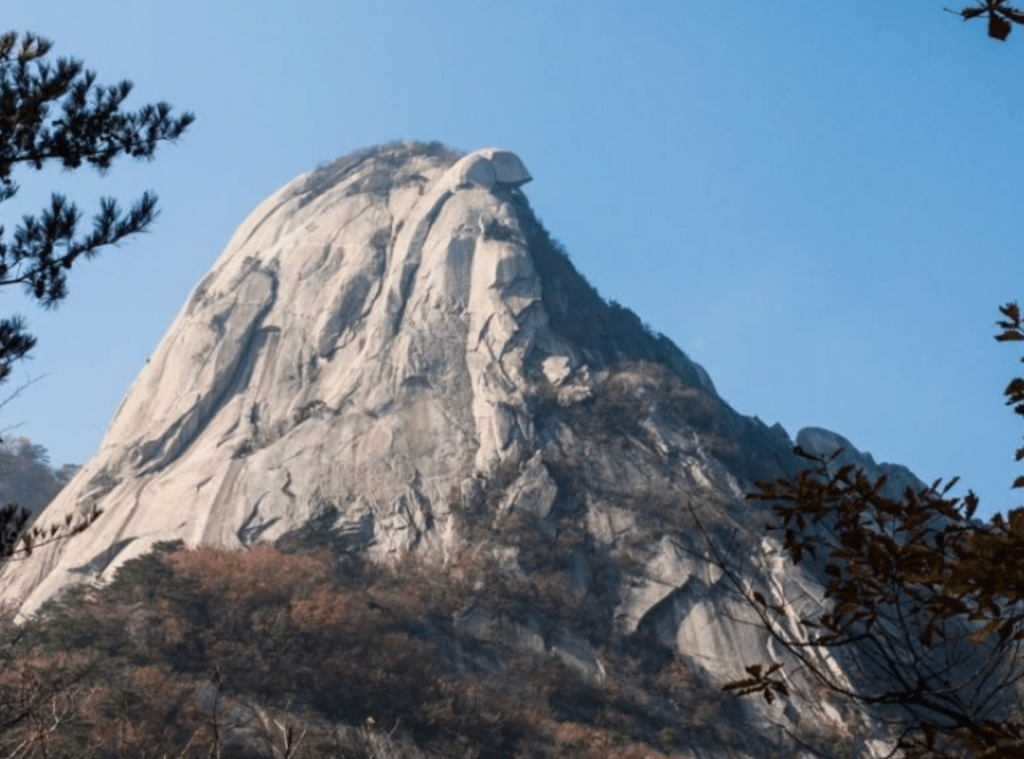
Insubong Peak is revered as one of Bukhansan’s most dramatic and iconic landmarks. Rising to a height of 810 meters (2,657 feet), it boasts sheer granite cliffs that attract rock climbers from around the world.

Its name, meaning “Guardian Peak,” reflects its imposing presence and spiritual significance in Korean culture.

Hiking to the summit offers not only exhilarating rock-climbing opportunities but also stunning vistas of the park’s rugged terrain.

Mangyongdae Peak

Mangyongdae Peak

Mangyongdae Peak, at 799 meters (2,621 feet) above sea level, is renowned for its distinctive granite formations and lush vegetation. I

ts name, meaning “Full of Fragrant Herbs,” pays homage to the diverse flora that thrives in its sheltered valleys and rocky slopes.

Hiking to Mangyongdae Peak allows visitors to immerse themselves in the park’s natural beauty while enjoying tranquil forest trails and captivating glimpses of wildlife

Bukhansanseong Fortress

Bukhansanseong Fortress

Explore the ancient Bukhansanseong Fortress, a UNESCO World Heritage Site nestled within the rugged peaks of Bukhansan National Park.

Dating back to the Joseon Dynasty, this historic fortress offers visitors a glimpse into Korea’s rich cultural heritage and military history.

Wander along the fortress walls, fortified gates, and watchtowers while soaking in panoramic views of Seoul’s skyline and the surrounding mountains.

Discover historical landmarks such as the Baegundae Pavilion, Hyojongmun Gate, and the impressive Geumcheon Valley, all of which are steeped in legend and lore.

With its serene natural beauty and cultural significance, Bukhansanseong Fortress provides a captivating journey through time for history enthusiasts and outdoor adventurers alike.

Things To Do

Engaging Bukhansan
Hiking and Trekking

Bukhansan National Park offers an extensive network of hiking trails suitable for all skill levels, making it an ideal destination for outdoor enthusiasts. Embark on a journey through lush forests, towering peaks, and serene valleys as you explore the park’s diverse landscapes.

Whether you’re a seasoned hiker looking to conquer the challenging trails to the summit or a casual adventurer seeking a leisurely stroll, Bukhansan has something for everyone. Highlights include the iconic Baegundae Peak, Insubong Peak, and Mangyeongdae Peak, each offering panoramic views of Seoul and the surrounding mountains. W

ith its well-marked trails, breathtaking scenery, and abundant wildlife, hiking in Bukhansan National Park promises an unforgettable outdoor experience for nature lovers and thrill-seekers alike.

Rock Climbing

For adrenaline junkies and rock climbing enthusiasts, Bukhansan National Park boasts world-class climbing routes and rugged rock formations waiting to be conquered. Test your skills on the park’s challenging granite cliffs, which offer a variety of routes catering to climbers of all abilities.

Whether you’re a beginner learning the ropes or an experienced climber seeking a new challenge, Bukhansan’s diverse terrain and breathtaking vistas provide an unparalleled climbing experience. Popular climbing areas include Insubong, Dobongsan, and Manjangbong, each offering a unique set of challenges and opportunities for adventure.

With its stunning natural beauty and thrilling climbing opportunities, Bukhansan National Park is a must-visit destination for rock climbing enthusiasts seeking an adrenaline-fueled adventure in the heart of Seoul.

Bukhansan Temple Stay

Immerse yourself in the tranquility of Bukhansan National Park with a temple stay experience at one of the park’s serene Buddhist temples. Disconnect from the hustle and bustle of city life as you partake in meditation sessions, Buddhist rituals, and traditional temple cuisine.

Engage in cultural activities such as tea ceremonies, calligraphy, and lantern-making workshops while learning about the teachings of Buddhism from resident monks.

As day turns to night, retire to simple yet comfortable temple accommodations, where the sounds of nature and the scent of incense provide a peaceful backdrop for rest and reflection. With its serene atmosphere and spiritual insights, a temple stay in Bukhansan National Park offers a unique opportunity for personal growth and cultural immersion.

placeholder

Gugi-dong Amusement Park

For a family-friendly adventure in Bukhansan National Park, visit the Gugi-dong Amusement Park, located near the park’s entrance. This charming park offers a variety of recreational activities and attractions for visitors of all ages, including hiking trails, picnic areas, and playgrounds.

Embark on leisurely walks along scenic paths, admire colorful seasonal blooms in the botanical garden, or challenge yourself on the park’s thrilling zip lines and rope courses.

With its scenic surroundings and diverse array of attractions, Gugi-dong Amusement Park provides a fun and relaxing retreat for families, friends, and nature enthusiasts seeking outdoor adventure and entertainment in Bukhansan National Park.

Hiking and Trekking

Bukhansan National Park offers an extensive network of hiking trails suitable for all skill levels, making it an ideal destination for outdoor enthusiasts. Embark on a journey through lush forests, towering peaks, and serene valleys as you explore the park’s diverse landscapes.

Whether you’re a seasoned hiker looking to conquer the challenging trails to the summit or a casual adventurer seeking a leisurely stroll, Bukhansan has something for everyone. Highlights include the iconic Baegundae Peak, Insubong Peak, and Mangyeongdae Peak, each offering panoramic views of Seoul and the surrounding mountains. W

ith its well-marked trails, breathtaking scenery, and abundant wildlife, hiking in Bukhansan National Park promises an unforgettable outdoor experience for nature lovers and thrill-seekers alike.

Rock Climbing

For adrenaline junkies and rock climbing enthusiasts, Bukhansan National Park boasts world-class climbing routes and rugged rock formations waiting to be conquered. Test your skills on the park’s challenging granite cliffs, which offer a variety of routes catering to climbers of all abilities.

Whether you’re a beginner learning the ropes or an experienced climber seeking a new challenge, Bukhansan’s diverse terrain and breathtaking vistas provide an unparalleled climbing experience. Popular climbing areas include Insubong, Dobongsan, and Manjangbong, each offering a unique set of challenges and opportunities for adventure.

With its stunning natural beauty and thrilling climbing opportunities, Bukhansan National Park is a must-visit destination for rock climbing enthusiasts seeking an adrenaline-fueled adventure in the heart of Seoul.

Bukhansan Temple Stay

Immerse yourself in the tranquility of Bukhansan National Park with a temple stay experience at one of the park’s serene Buddhist temples. Disconnect from the hustle and bustle of city life as you partake in meditation sessions, Buddhist rituals, and traditional temple cuisine.

Engage in cultural activities such as tea ceremonies, calligraphy, and lantern-making workshops while learning about the teachings of Buddhism from resident monks.

As day turns to night, retire to simple yet comfortable temple accommodations, where the sounds of nature and the scent of incense provide a peaceful backdrop for rest and reflection. With its serene atmosphere and spiritual insights, a temple stay in Bukhansan National Park offers a unique opportunity for personal growth and cultural immersion.

placeholder

Gugi-dong Amusement Park

For a family-friendly adventure in Bukhansan National Park, visit the Gugi-dong Amusement Park, located near the park’s entrance. This charming park offers a variety of recreational activities and attractions for visitors of all ages, including hiking trails, picnic areas, and playgrounds.

Embark on leisurely walks along scenic paths, admire colorful seasonal blooms in the botanical garden, or challenge yourself on the park’s thrilling zip lines and rope courses.

With its scenic surroundings and diverse array of attractions, Gugi-dong Amusement Park provides a fun and relaxing retreat for families, friends, and nature enthusiasts seeking outdoor adventure and entertainment in Bukhansan National Park.

Bukhansan National Park Trails

There are several trails throughout the park to help people explore the forested, mountainous, and culturally historic area.  It is one of the favorite places to hike and explore for Korean locals.

placeholder

Bukhansan Trail

This is the tallest summit in the park and subsequently one of the more popular desired treks.  It is difficult and should only be taken by those who are in good physical condition.  The ascent occurs over 3,166 feet (965 m).  It is 8.4 miles (13.5 km) from the trailhead to the summit.  The average grade is 12% with the steepest grade coming in at 78%.

placeholder

Bogukum Course

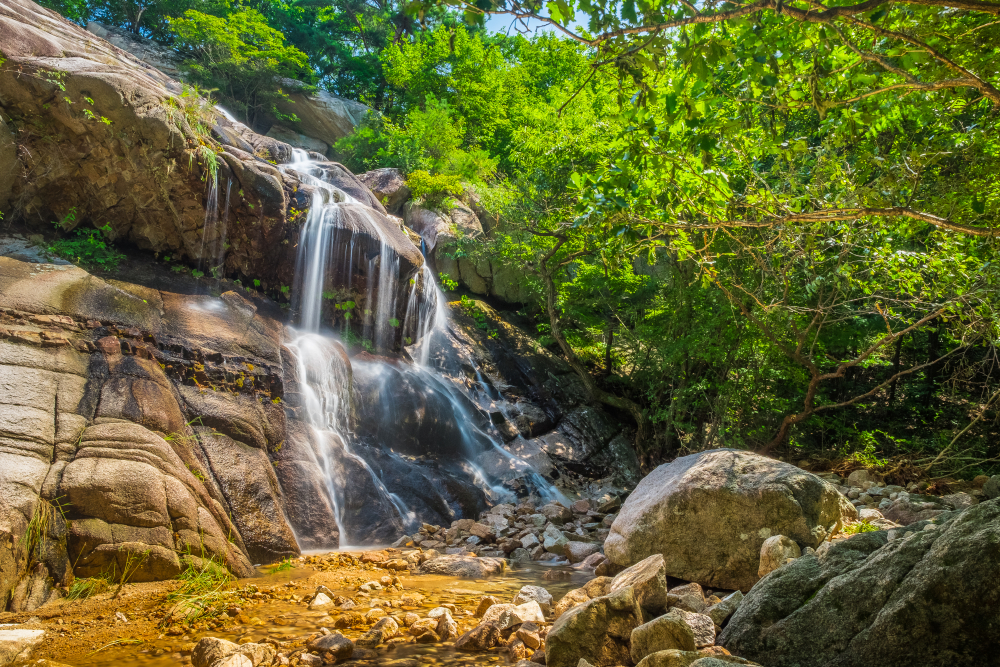
This is a trail that takes about 1.5 hours while meandering through the forest, along streams, a gorge, and a waterfall.  It covers a distance of about 1.5 miles (2.4 km) and is considered fairly easy.

placeholder

Bukhansanseong Course

This is an uphill trail covering a distance of 2.11 miles (3.4 km) to the top of Baegundae summit.  It takes about 2.5 hours to reach the top before making the trek back down.  The final stretch of the trek requires holding on to a rope while hiking up a steep ascent.

placeholder

Wontongsa Temple Trail

This is an intermediate to difficult trail to experience the Wontongsa Temple.  It covers a distance of 2.2 miles (3.54 km) with significant elevation change.  It provides stunning views along the way. 

placeholder

Baegundae Peak Trek

Rating: Difficult

Distance and Elevation Gain: 3.4 kilometers one way, with an elevation gain of about 840 meters.

Description: As the highest peak in Bukhansan National Park, Baegundae offers a challenging but rewarding hike.

The trail includes steep rocky ascents and well-maintained stairs, culminating in breathtaking panoramic views of Seoul and the surrounding mountains.

It’s a popular trail for those seeking a vigorous workout and the ultimate selfie spot at the summit.

placeholder

Bukhansanseong Fortress Trail

Rating: Moderate

Distance and Elevation Gain: 5.9 kilometers loop, with an elevation gain of about 200-300 meters.

Description: This trail takes hikers around the historic Bukhansanseong Fortress walls, offering a mix of natural beauty and historical significance.

Hikers will experience moderate climbs, forested paths, and scenic viewpoints overlooking Seoul. The trail also passes through several gates of the fortress, providing a glimpse into the area’s rich history.

placeholder

Dobongsan to Jaunbong Peak Trek

Rating: Difficult

Distance and Elevation Gain: Approximately 2.5 kilometers one way, with an elevation gain of about 600 meters.

Description: This challenging trail leads to Jaunbong Peak, offering steep rocky climbs and rugged terrain.

It’s well-loved by experienced hikers for its thrilling ascents and spectacular views from the top.

Along the way, hikers can explore the Seokguram Grotto, a small Buddhist temple nestled in the rocks.

placeholder

Insubong Peak Trek

Rating: Very Difficult

Distance and Elevation Gain: 4 kilometers round trip, with an elevation gain of about 500 meters.

Description: Insubong Peak is known for its granite rock faces and is a popular destination for rock climbers.

The trail to the base of Insubong is moderately challenging, with the final ascent requiring climbing gear.

The views of the park and Seoul are unparalleled, making it a favorite among adventure seekers.

placeholder

Uiam Rock Trek

Rating: Moderate

Distance and Elevation Gain: 3 kilometers one way, with an elevation gain of about 200 meters.

Description: This trail offers a relatively easy hike to the famous Uiam Rock, providing scenic views along the way.

It’s suitable for beginners and families, featuring well-maintained paths and occasional steep sections.

The rock itself is a popular photo spot, offering panoramic views of the surrounding mountains and valleys.

placeholder

Baegundae Peak Trek

Rating: Difficult

Distance and Elevation Gain: 3.4 kilometers one way, with an elevation gain of about 840 meters.

Description: As the highest peak in Bukhansan National Park, Baegundae offers a challenging but rewarding hike.

The trail includes steep rocky ascents and well-maintained stairs, culminating in breathtaking panoramic views of Seoul and the surrounding mountains.

It’s a popular trail for those seeking a vigorous workout and the ultimate selfie spot at the summit.

placeholder

Bukhansanseong Fortress Trail

Rating: Moderate

Distance and Elevation Gain: 5.9 kilometers loop, with an elevation gain of about 200-300 meters.

Description: This trail takes hikers around the historic Bukhansanseong Fortress walls, offering a mix of natural beauty and historical significance.

Hikers will experience moderate climbs, forested paths, and scenic viewpoints overlooking Seoul. The trail also passes through several gates of the fortress, providing a glimpse into the area’s rich history.

placeholder

Dobongsan to Jaunbong Peak Trek

Rating: Difficult

Distance and Elevation Gain: Approximately 2.5 kilometers one way, with an elevation gain of about 600 meters.

Description: This challenging trail leads to Jaunbong Peak, offering steep rocky climbs and rugged terrain.

It’s well-loved by experienced hikers for its thrilling ascents and spectacular views from the top.

Along the way, hikers can explore the Seokguram Grotto, a small Buddhist temple nestled in the rocks.

placeholder

Insubong Peak Trek

Rating: Very Difficult

Distance and Elevation Gain: 4 kilometers round trip, with an elevation gain of about 500 meters.

Description: Insubong Peak is known for its granite rock faces and is a popular destination for rock climbers.

The trail to the base of Insubong is moderately challenging, with the final ascent requiring climbing gear.

The views of the park and Seoul are unparalleled, making it a favorite among adventure seekers.

placeholder

Uiam Rock Trek

Rating: Moderate

Distance and Elevation Gain: 3 kilometers one way, with an elevation gain of about 200 meters.

Description: This trail offers a relatively easy hike to the famous Uiam Rock, providing scenic views along the way.

It’s suitable for beginners and families, featuring well-maintained paths and occasional steep sections.

The rock itself is a popular photo spot, offering panoramic views of the surrounding mountains and valleys.

Park Protection

Bukhansan National Park was created for both natural and historical significance.  Baekundae and Insubong summits serve as the foundation of the park naturally with the Bukhansanseong Fortress and an array of temples serving as the foundation culturally.  The South Korean government established the park to protect both the beauty of the landscapes and the cultural heritage.

FAQ’s

What is Bukhansan most known for?

Bukhansan National Park is most renowned for its rugged granite peaks, tranquil valleys, and dense forests, offering a sanctuary of natural beauty and outdoor adventure in the heart of Seoul.

As one of South Korea’s most popular national parks, Bukhansan is cherished for its scenic hiking trails, historic temples, and cultural landmarks.

It serves as a recreational haven for locals and visitors alike, providing opportunities for hiking, rock climbing, wildlife viewing, and spiritual reflection.

The park’s accessibility from Seoul, coupled with its stunning landscapes and rich biodiversity, makes it a cherished destination for nature enthusiasts, cultural explorers, and outdoor adventurers alike.

When is the best time to visit Bukhansan National Park?

The best time to visit Bukhansan National Park is during the spring and autumn months, from April to June and September to November, respectively.

During these seasons, the weather is mild, with pleasant temperatures and lower chances of precipitation, making it ideal for outdoor activities such as hiking and sightseeing.

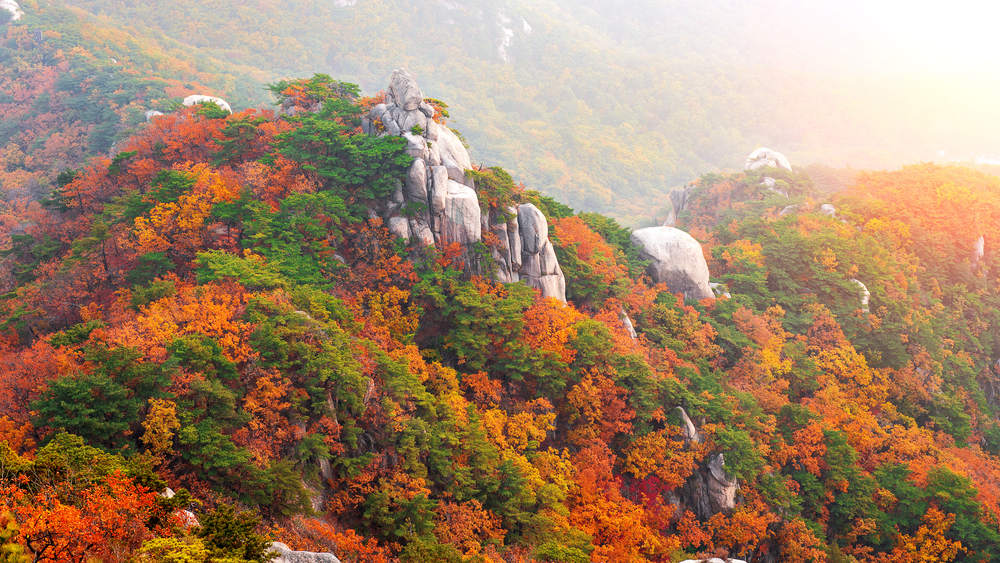
Spring brings colorful blooms of cherry blossoms and azaleas, adding to the park’s beauty, while autumn offers stunning foliage as the leaves change to vibrant hues of red, orange, and yellow.

Additionally, the park is less crowded during these times compared to the peak summer months, allowing visitors to enjoy the tranquility of nature and explore the park’s attractions more comfortably.

What is Bukhansan most known for?

Bukhansan National Park is most renowned for its rugged granite peaks, tranquil valleys, and dense forests, offering a sanctuary of natural beauty and outdoor adventure in the heart of Seoul.

As one of South Korea’s most popular national parks, Bukhansan is cherished for its scenic hiking trails, historic temples, and cultural landmarks.

It serves as a recreational haven for locals and visitors alike, providing opportunities for hiking, rock climbing, wildlife viewing, and spiritual reflection.

The park’s accessibility from Seoul, coupled with its stunning landscapes and rich biodiversity, makes it a cherished destination for nature enthusiasts, cultural explorers, and outdoor adventurers alike.

When is the best time to visit Bukhansan National Park?

The best time to visit Bukhansan National Park is during the spring and autumn months, from April to June and September to November, respectively.

During these seasons, the weather is mild, with pleasant temperatures and lower chances of precipitation, making it ideal for outdoor activities such as hiking and sightseeing.

Spring brings colorful blooms of cherry blossoms and azaleas, adding to the park’s beauty, while autumn offers stunning foliage as the leaves change to vibrant hues of red, orange, and yellow.

Additionally, the park is less crowded during these times compared to the peak summer months, allowing visitors to enjoy the tranquility of nature and explore the park’s attractions more comfortably.

Sources