About

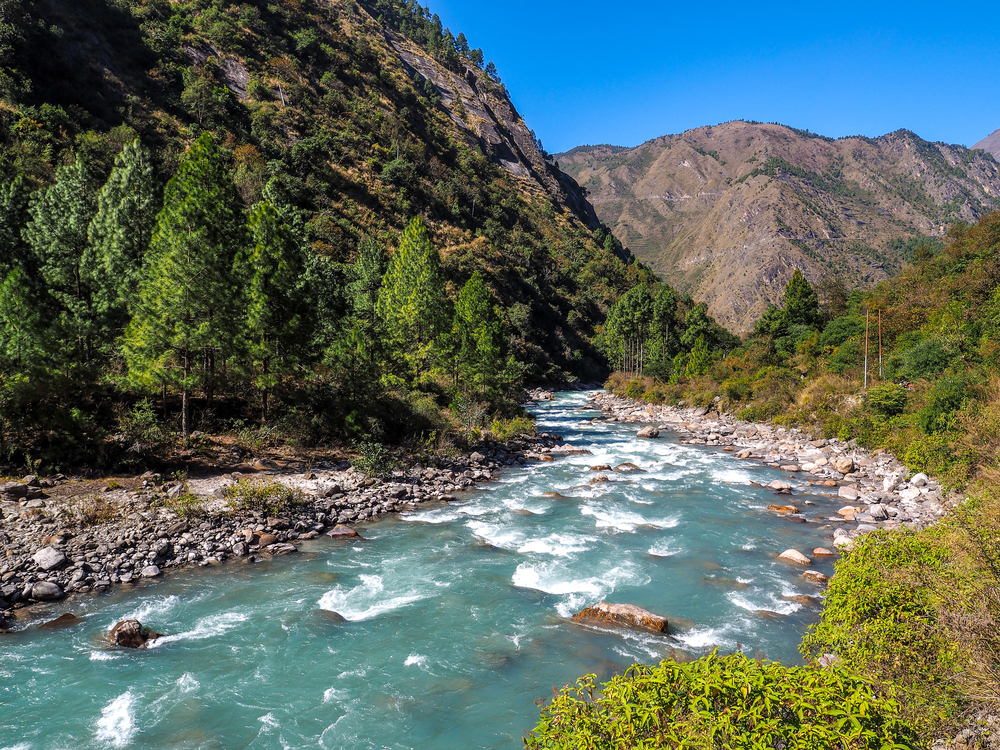
Sagarmatha National Park is located in the eastern part of Nepal as part of the Himalayas.  The national park encompasses an area of 443 square miles (1,148 sq km).

Mount Everest accounts for the highest elevation at 29,029 feet (8,848 m).  The altitude changes from the summit of Everest down to the lower plateau elevation of 9,334 feet (2,845 m).  It borders the neighboring Makalu Barun National Park.

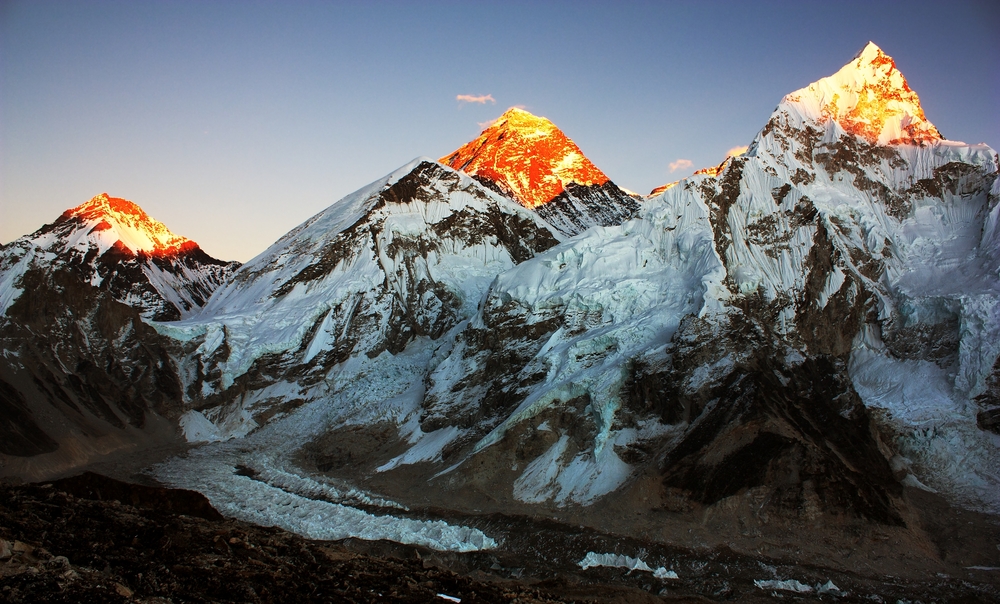
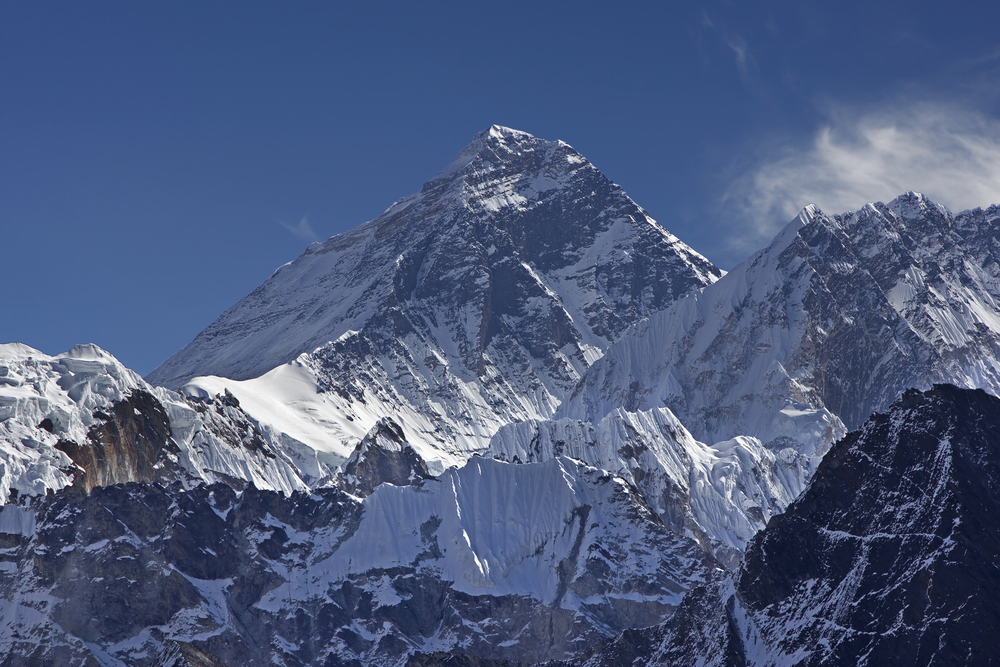
Mount Everest is the mountain in the world and accordingly serves as the pinnacle attraction of the national park.

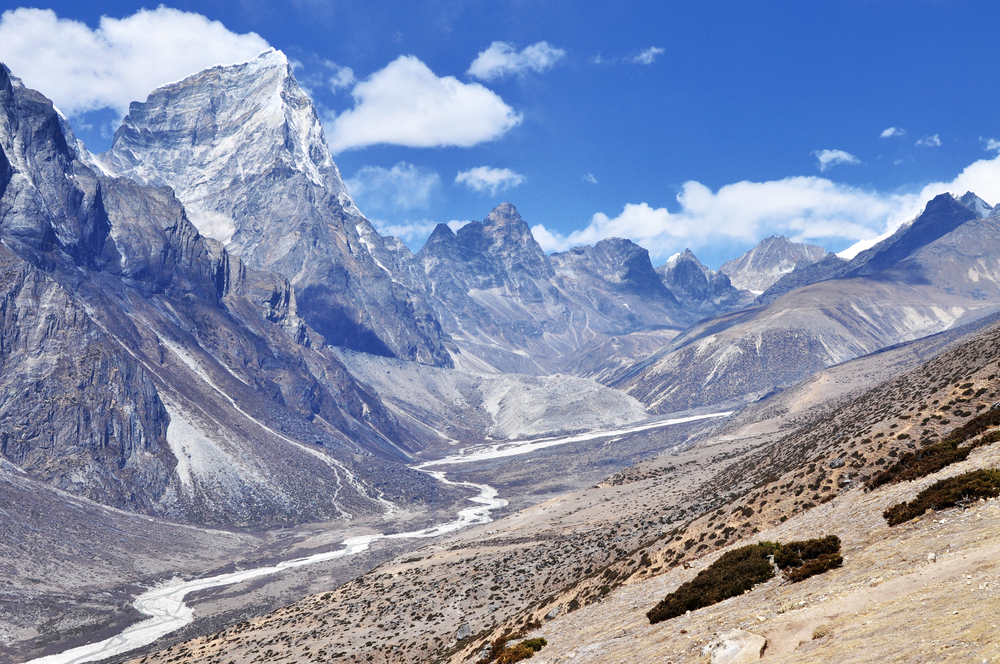
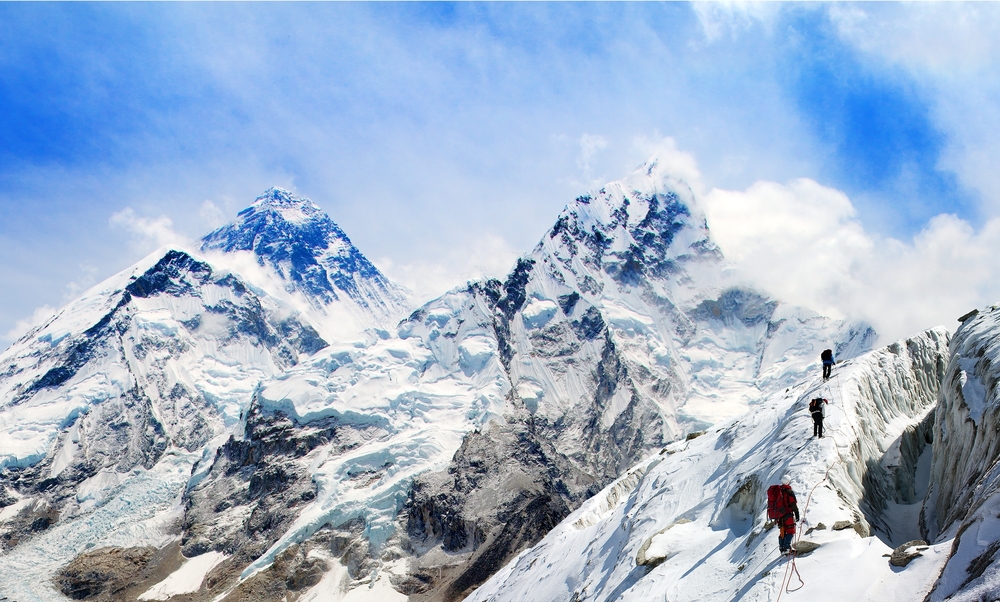
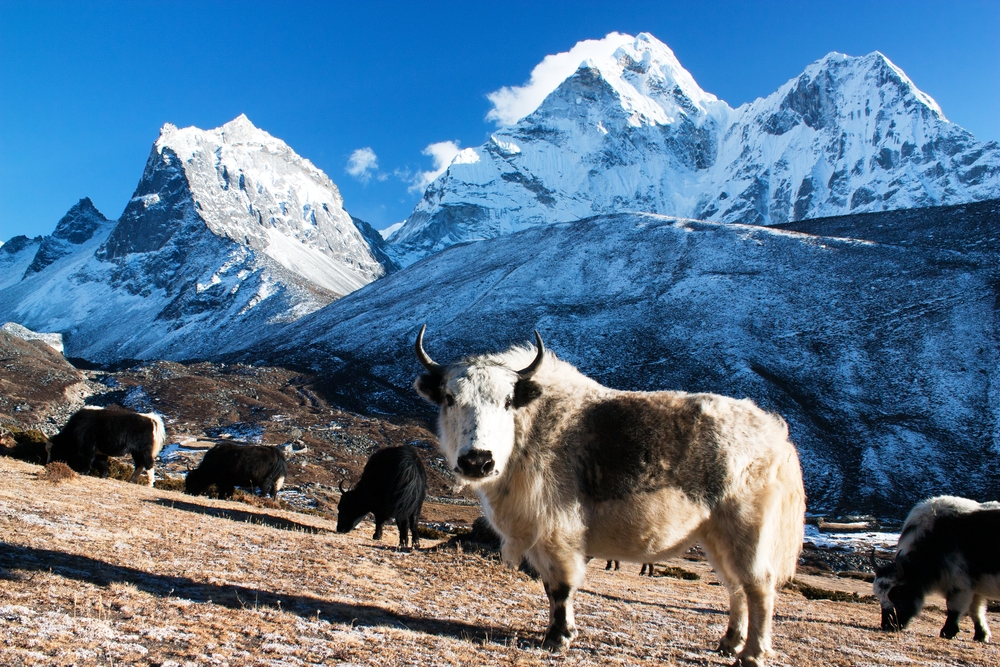
The park is comprised of massive rugged landscapes, gorges, towering mountains from the Himalayas, with Mount Everest serving as the iconic destination.  Few people climb the mountain, while several others trek and climb the surrounding lower elevations or to base camp.

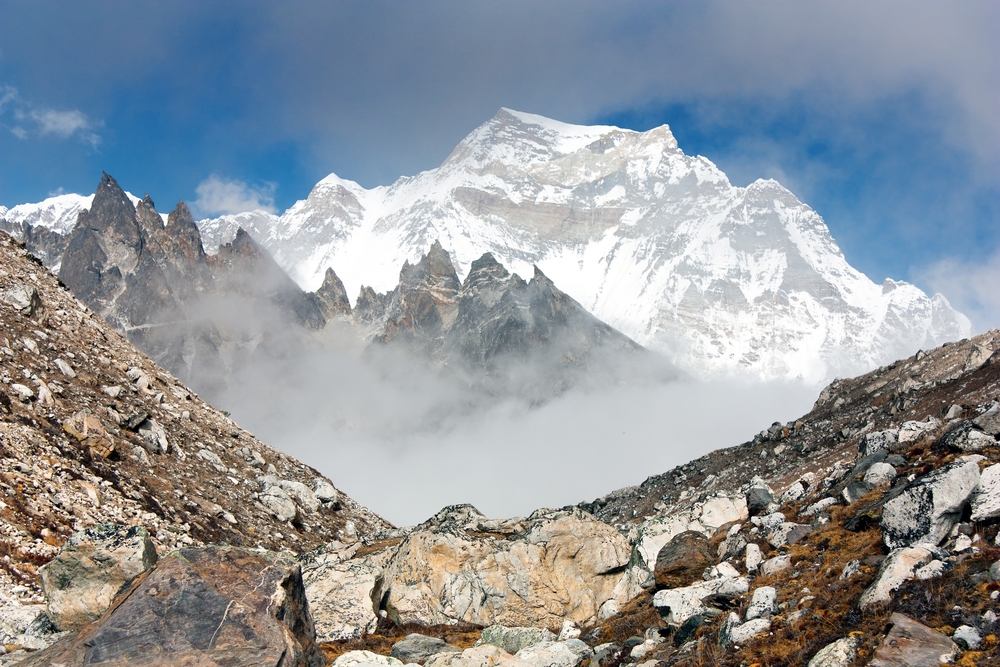
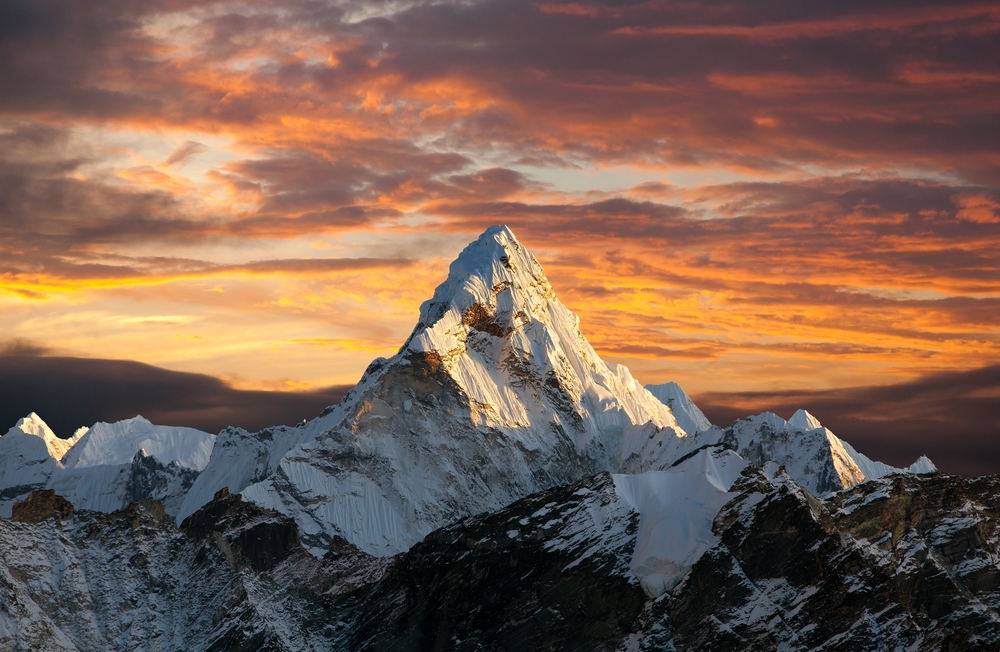
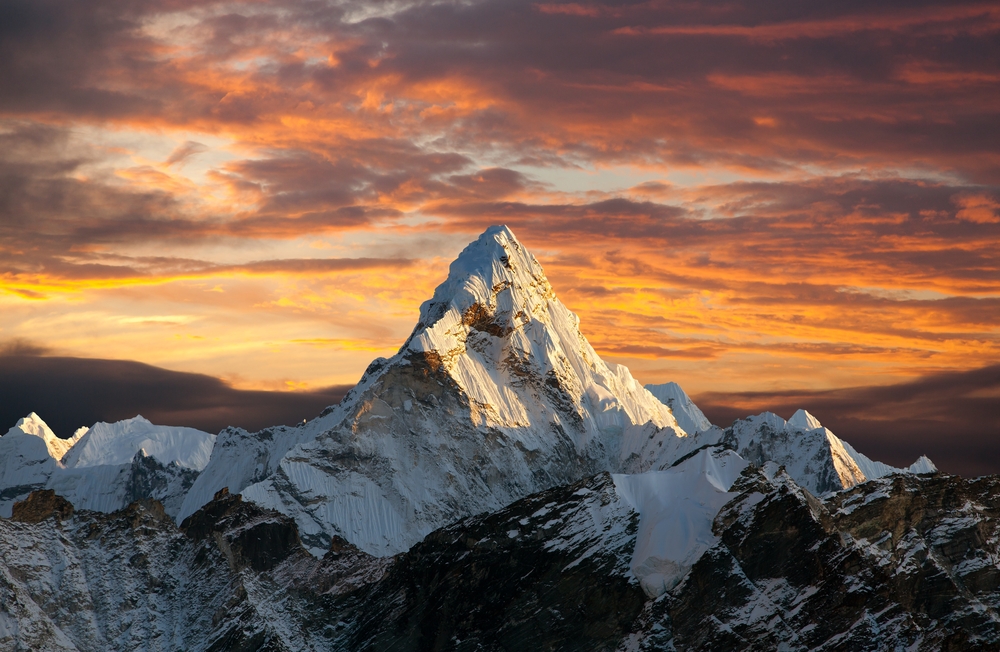
The majority of tourists look to see Mount Everest from one of the scenic flights that give a bird’s eye view of the mountain.  Everest is one of the Seven Natural Wonders of the World.  Amadablam, Cho Oyu, Lhotse, Muptse, Pumori, and Thamserku are six other summits with heights over 20,000 feet (6,000 m).

Only 3% of the park area features forested ecology.  Another 28% is accounted for by grazing lands and minimal vegetation.  Almost 70% of the park is made up of barren land void of vegetation because of the higher altitudes.

Although only 3%, the lower forested area is comprised of bamboo, birch, blue pines, firs, hemlock, juniper, and rhododendron.  Almost all other vegetation is accounted for by lichens and mosses.

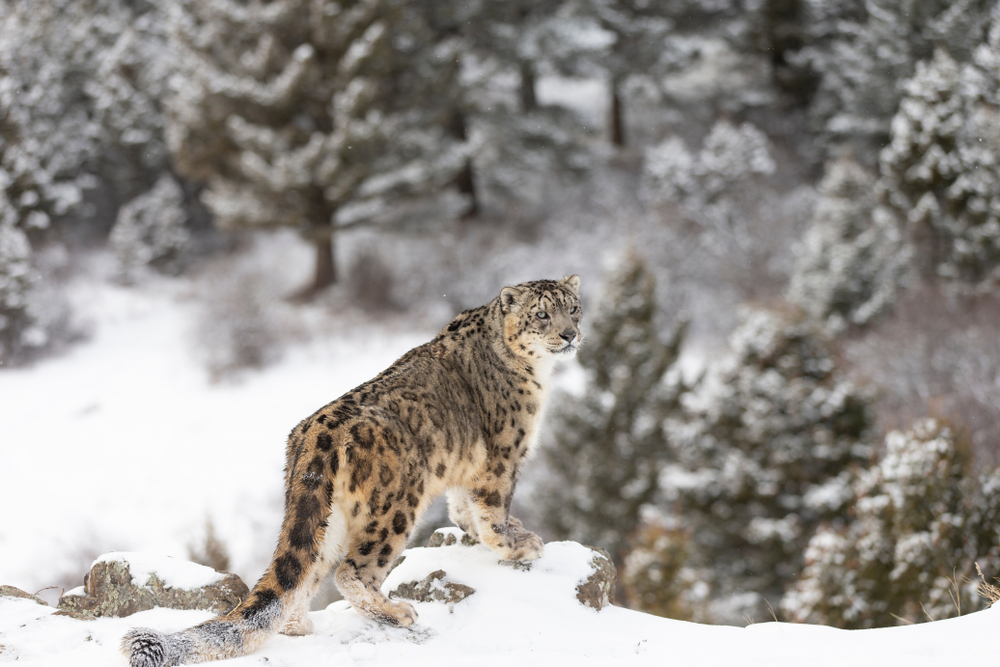
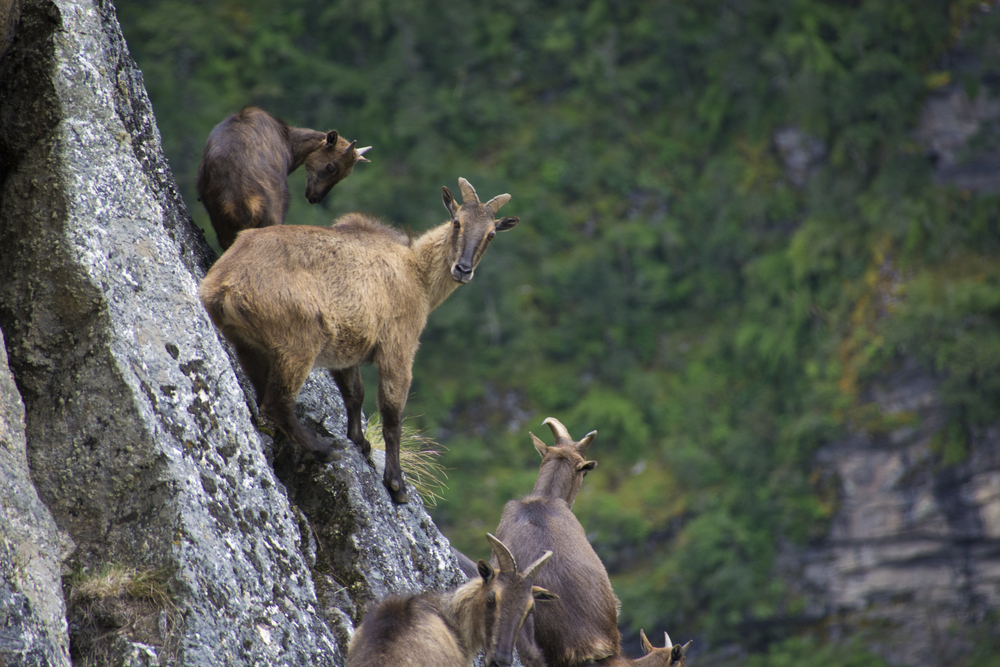
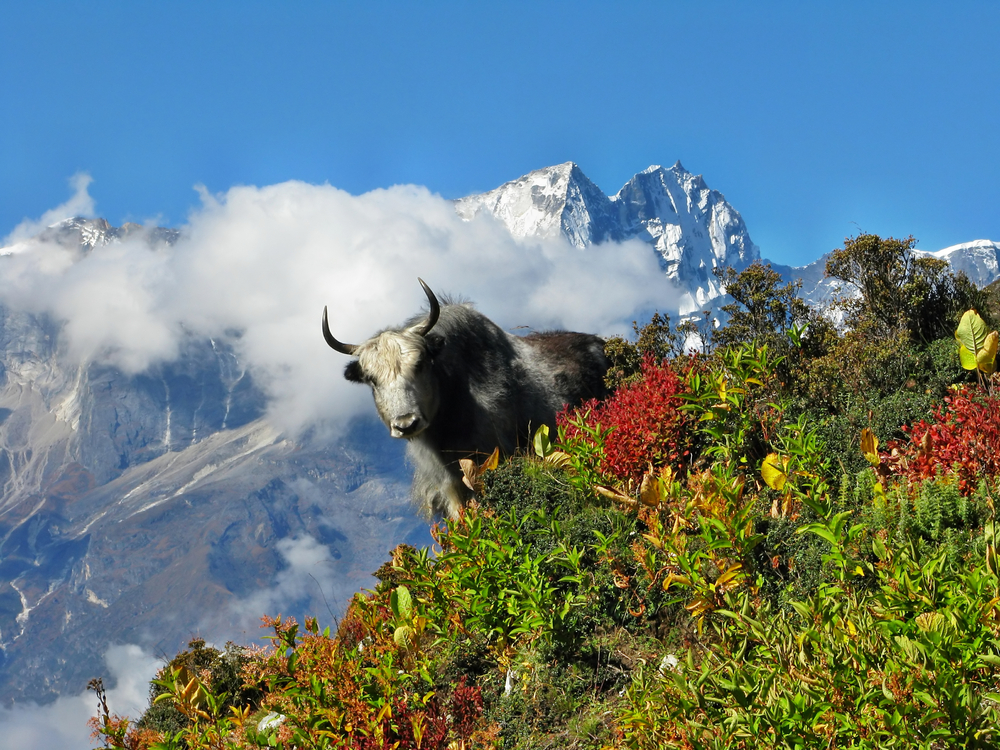
The forested area does provide homes for 118 species of birds.  Other wildlife found within the Sagarmatha National Park includes black bear, red panda, musk deer, Himalayan thars, Himalayan wolves, and the incredibly elusive snow leopard.

Things to See

Mount Everest is the iconic and pinnacle highlight of Sagarmatha National Park.  It is the leading and most renowned tourist attraction of Nepal.  Mount Everest represents the highest elevation on earth.

Sagarmatha National Park Trails

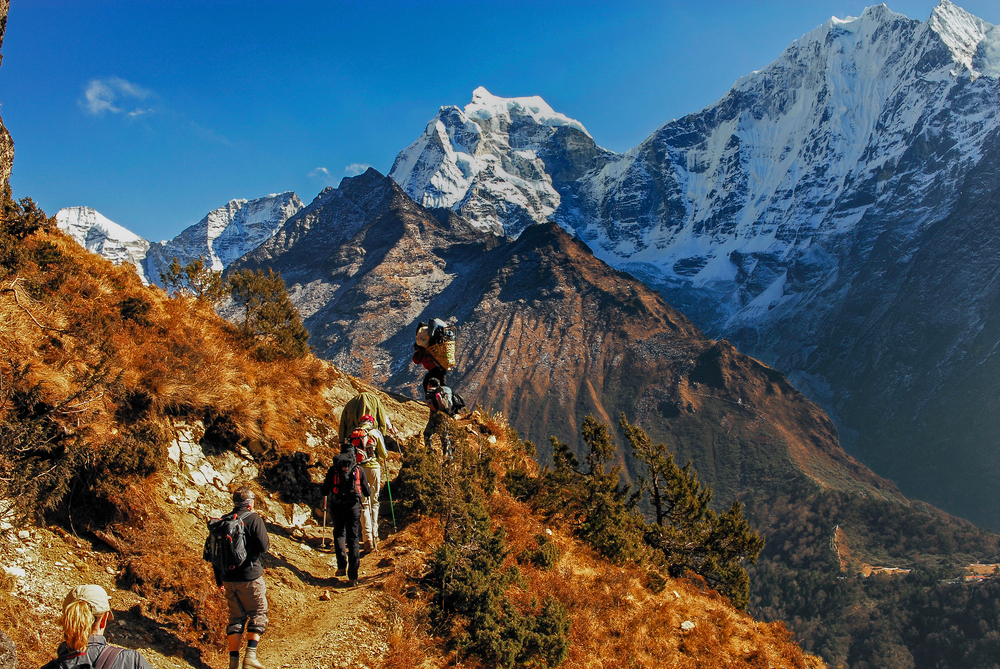
There are several trails and treks within the Sagarmatha park boundaries and not everything is directed at climbing Mount Everest.  It is fair to say, that high altitudes, rugged terrain, steep inclines, and limited oxygen make hiking in this area challenged and reserved for those who are in better physical condition.

In almost all endeavors, you are looking at multiple days of hiking and trekking.  Everest Base Camp takes 12 to 14 days to reach with lots of acclimatization.

placeholder

Mount Everest

This is not a hike, it is a multi-day, vigorous climb which is actually life-threatening.  Climbing with an experienced guide along with expensive climbing permit fees is required.

placeholder

Mount Everest Base Camp

This is the most commonly pursued destination within the national park.  Although still an amazing feat and incredibly challenging, it is much more commonly experienced and achieved versus even the attempts to climb the mountain itself.  Base camp can be reached in about an hour and a half from the guest house Gorak Shep.  However, to get there, you should anticipate 12 days or more.

placeholder

Kala Patthar

A challenging trek from the guest house Gorak Shep to the peak of Kala Patthar at 18,500 feet (5,638.8 m).  This provides one of the most stunning views of Mount Everest.

placeholder

Cho La Pass

This trail crosses over the mountain pass with an elevation of 17,500 feet (5,334 m).  The trail includes hiking over a glacier and rocky terrain which can result in slippery unstable footing.  The highlight is an aerial view of the Himalayas and the valley below.

placeholder

Gokyo

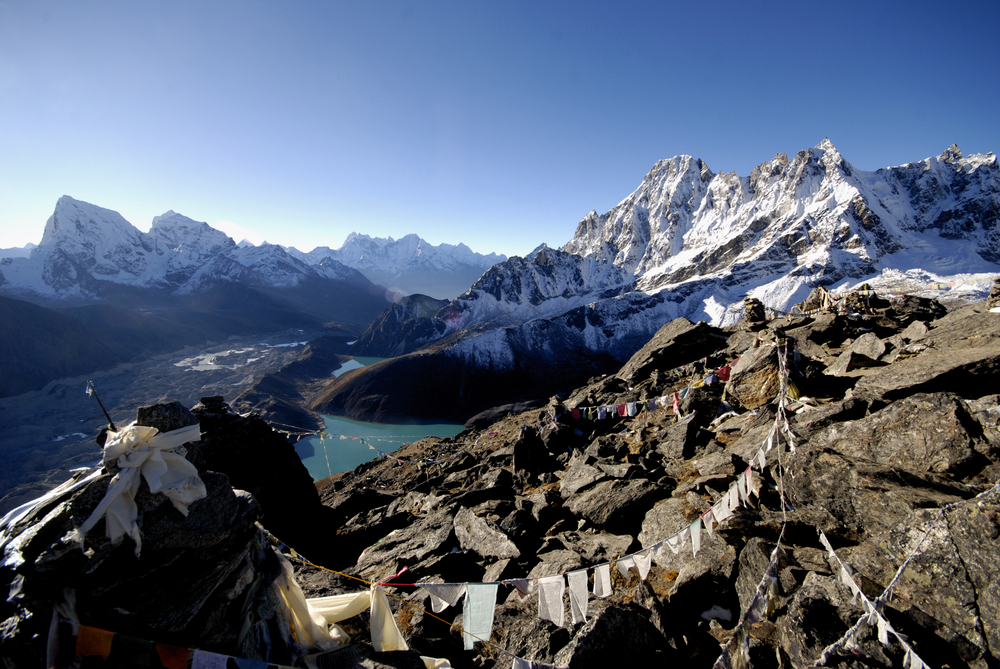
The trail travels from Namche Bazar to the town of Gokyo.  The hike will take you 2 to 3 days.  Pharilapche is a towering summit that peers out over an alpine lake providing one of the most stunning picturesque landscapes.  If you are not worn out after making the journey, you can take another half-day trek up to Gokyo Ri which provides a full panoramic view of the entire surroundings from an elevation of 17,500 feet (5,334 m).

placeholder

Tengboche

This four-hour hike leaving out of Namche Bazar traveling to the village of Tengboche is a great way to experience one of the seven natural wonders of the world.  This village location is where you will get your first glimpse of the renowned Mount Everest.

placeholder

Everest Base Camp Trek

Rating: Strenuous

Distance and Elevation Gain: Approximately 38 miles one way (61 kilometers), with an elevation gain of about 8,200 feet (2,500 meters) from Lukla to Everest Base Camp.

Description: This iconic trek takes adventurers from the town of Lukla through the heart of the Khumbu region.

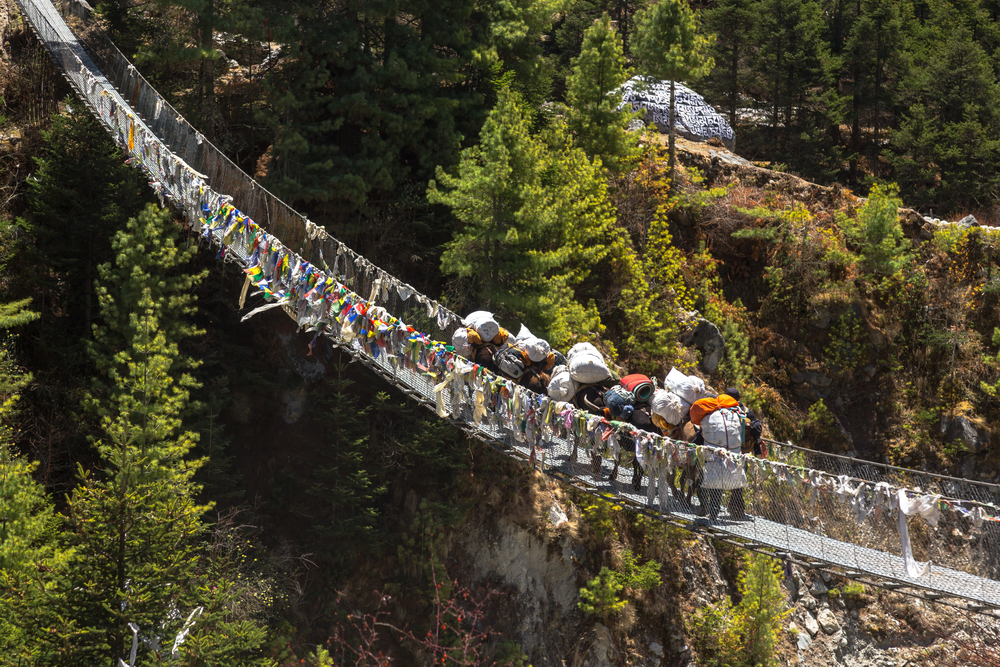
Hikers will pass through vibrant Sherpa villages, serene monasteries, and the spectacular high-altitude scenery of the Himalayas, culminating at the base of the world’s highest peak.

Acclimatization days are essential to adjust to the altitude.

placeholder

Gokyo Lakes Trek

Rating: Strenuous

Distance and Elevation Gain: Varies, about 30 miles (48 kilometers) round trip, with significant elevation gain.

Description: Offering a less crowded alternative to the Everest Base Camp trek, this route takes hikers to the stunning Gokyo Valley with its emerald lakes and the Gokyo Ri viewpoint.

Trekkers can enjoy panoramic views of Everest and surrounding peaks, with the added beauty of the Gokyo Lakes, some of the highest freshwater lakes in the world.

placeholder

Three Passes Trek

Rating: Very Strenuous

Distance and Elevation Gain: Approximately 80 miles (129 kilometers), circumnavigating the Everest region and crossing three high passes over 17,000 feet (5,182 meters).

Description: This challenging trek is for experienced hikers seeking the ultimate Everest region experience.

It includes crossing the Renjo La, Cho La, and Kongma La passes, offering unparalleled views of the Himalayas.

The route also visits Everest Base Camp and the Gokyo Lakes, combining the best of the region’s landscapes and cultural highlights.

placeholder

Tengboche Monastery Trek

Rating: Moderate to Strenuous

Distance and Elevation Gain: About 12 miles (19 kilometers) one way from Lukla, with an elevation gain of approximately 3,900 feet (1,190 meters).

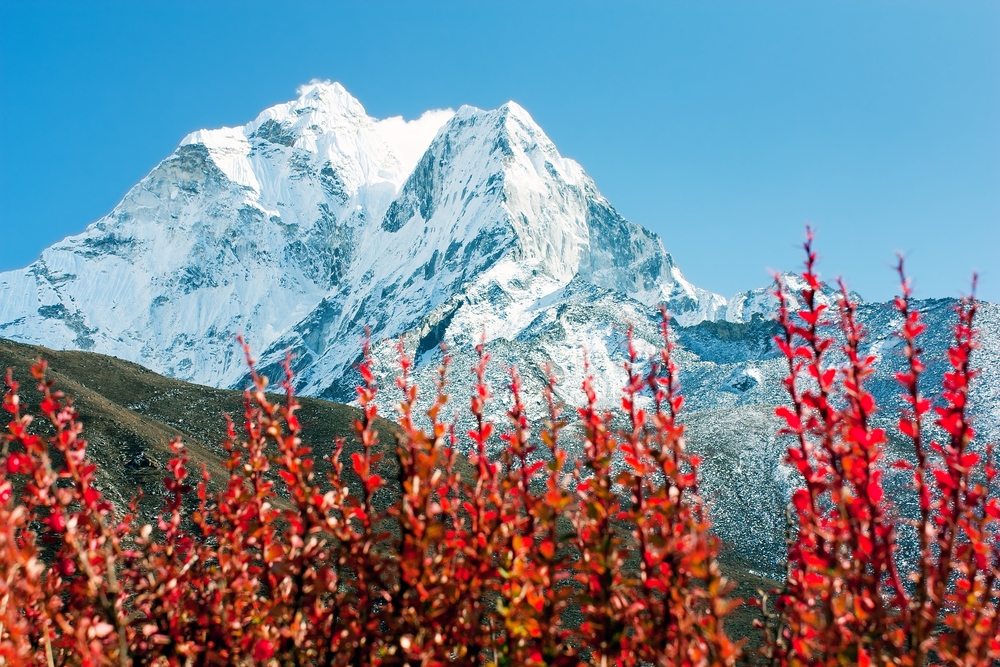
Description: This trek offers a spiritual journey to the revered Tengboche Monastery, set against the backdrop of Ama Dablam.

The trail passes through lush rhododendron forests and Sherpa villages, offering insights into Buddhist culture and stunning mountain vistas.

The monastery itself is a place of peace and spiritual renewal, with panoramic views of Everest and its neighboring peaks.

placeholder

Namche Bazaar Acclimatization Hike

Rating: Moderate

Distance and Elevation Gain: Varies, short hikes around Namche Bazaar for acclimatization purposes.

Description: Namche Bazaar, the gateway to Everest, offers several acclimatization hikes to nearby viewpoints, including the Everest View Hotel and Khumjung village.

These hikes are crucial for adjusting to the altitude and offer early glimpses of Everest, Lhotse, and Ama Dablam, alongside insights into local Sherpa life and culture.

placeholder

Everest Base Camp Trek

Rating: Strenuous

Distance and Elevation Gain: Approximately 38 miles one way (61 kilometers), with an elevation gain of about 8,200 feet (2,500 meters) from Lukla to Everest Base Camp.

Description: This iconic trek takes adventurers from the town of Lukla through the heart of the Khumbu region.

Hikers will pass through vibrant Sherpa villages, serene monasteries, and the spectacular high-altitude scenery of the Himalayas, culminating at the base of the world’s highest peak.

Acclimatization days are essential to adjust to the altitude.

placeholder

Gokyo Lakes Trek

Rating: Strenuous

Distance and Elevation Gain: Varies, about 30 miles (48 kilometers) round trip, with significant elevation gain.

Description: Offering a less crowded alternative to the Everest Base Camp trek, this route takes hikers to the stunning Gokyo Valley with its emerald lakes and the Gokyo Ri viewpoint.

Trekkers can enjoy panoramic views of Everest and surrounding peaks, with the added beauty of the Gokyo Lakes, some of the highest freshwater lakes in the world.

placeholder

Three Passes Trek

Rating: Very Strenuous

Distance and Elevation Gain: Approximately 80 miles (129 kilometers), circumnavigating the Everest region and crossing three high passes over 17,000 feet (5,182 meters).

Description: This challenging trek is for experienced hikers seeking the ultimate Everest region experience.

It includes crossing the Renjo La, Cho La, and Kongma La passes, offering unparalleled views of the Himalayas.

The route also visits Everest Base Camp and the Gokyo Lakes, combining the best of the region’s landscapes and cultural highlights.

placeholder

Tengboche Monastery Trek

Rating: Moderate to Strenuous

Distance and Elevation Gain: About 12 miles (19 kilometers) one way from Lukla, with an elevation gain of approximately 3,900 feet (1,190 meters).

Description: This trek offers a spiritual journey to the revered Tengboche Monastery, set against the backdrop of Ama Dablam.

The trail passes through lush rhododendron forests and Sherpa villages, offering insights into Buddhist culture and stunning mountain vistas.

The monastery itself is a place of peace and spiritual renewal, with panoramic views of Everest and its neighboring peaks.

placeholder

Namche Bazaar Acclimatization Hike

Rating: Moderate

Distance and Elevation Gain: Varies, short hikes around Namche Bazaar for acclimatization purposes.

Description: Namche Bazaar, the gateway to Everest, offers several acclimatization hikes to nearby viewpoints, including the Everest View Hotel and Khumjung village.

These hikes are crucial for adjusting to the altitude and offer early glimpses of Everest, Lhotse, and Ama Dablam, alongside insights into local Sherpa life and culture.

Sources