

About
Masai Mara National Park is one of Africa’s most celebrated wildlife destinations. The reserve lies in southwestern Kenya along the border with Tanzania. It covers about 580 square miles (1,510 sq km) of protected savanna and grassland.
The reserve connects directly with Tanzania’s famous Serengeti National Park, creating one of the world’s largest intact ecosystems for wildlife migration. The greater Mara ecosystem also includes private conservancies that help expand wildlife habitat beyond the reserve boundaries. Together, these lands protect one of the planet’s most remarkable concentrations of large mammals and predators.
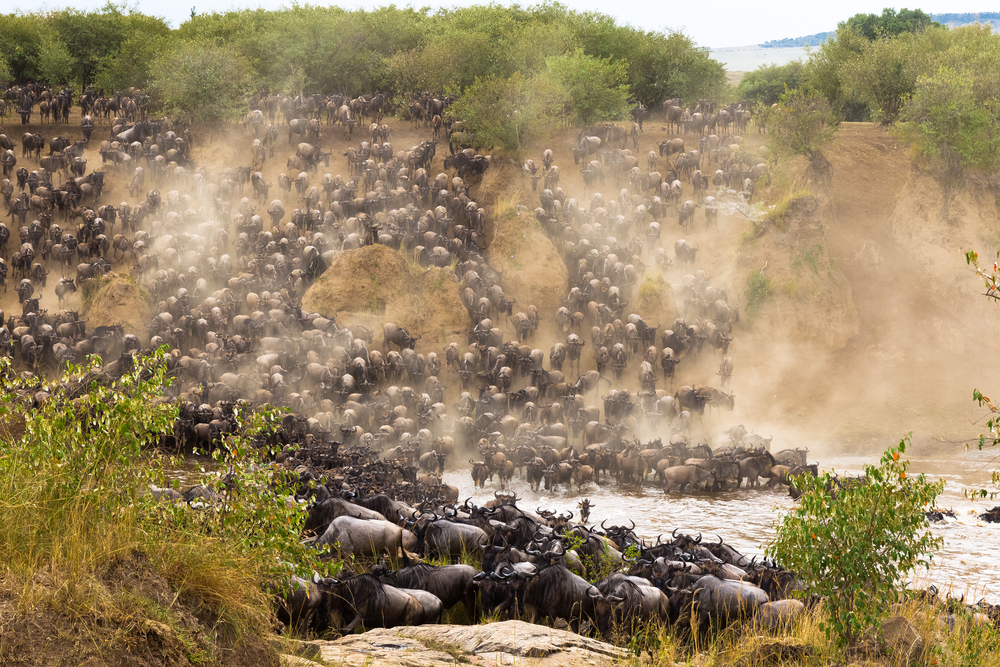
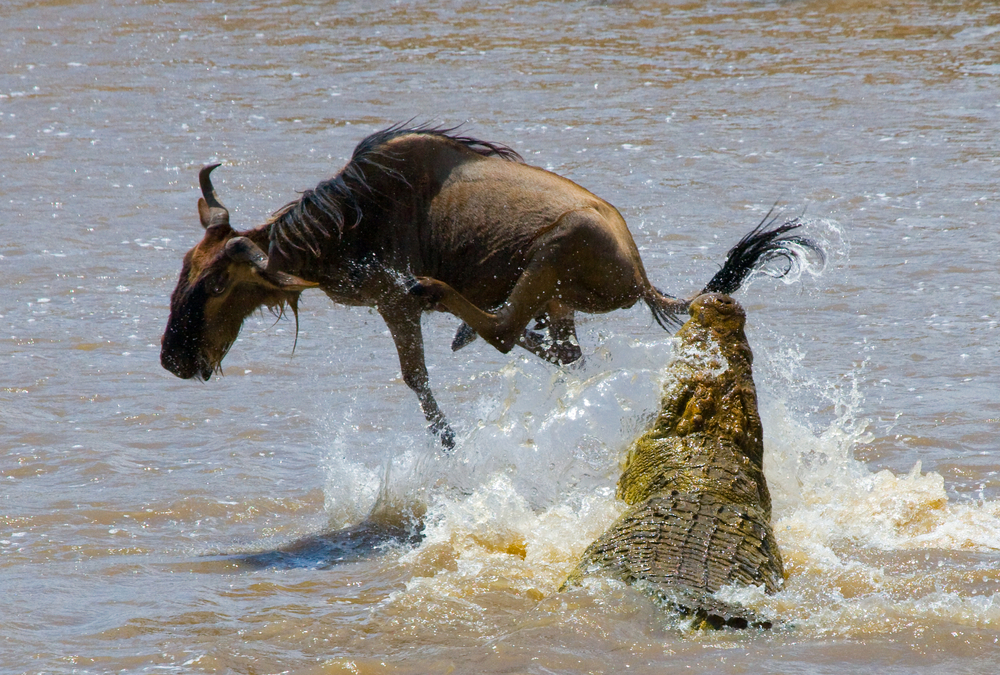
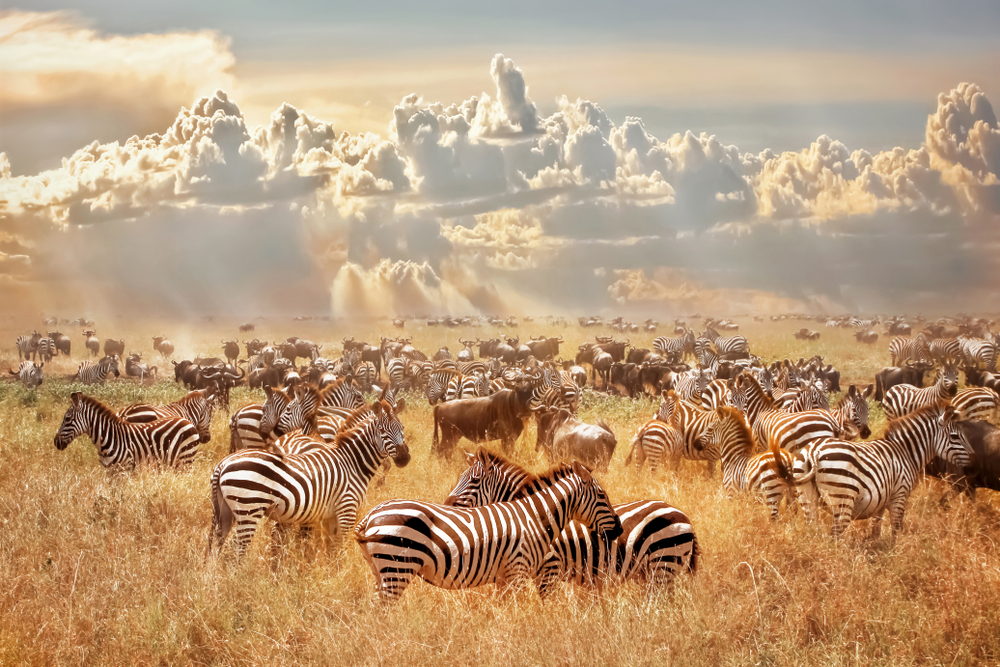
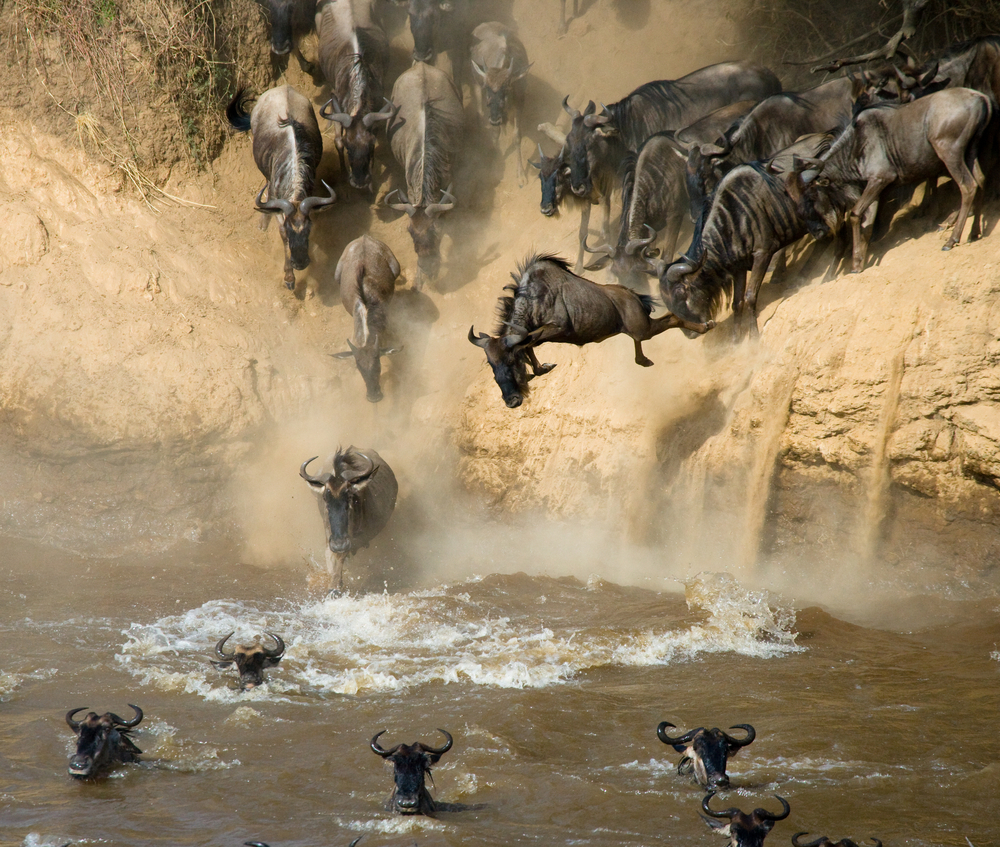
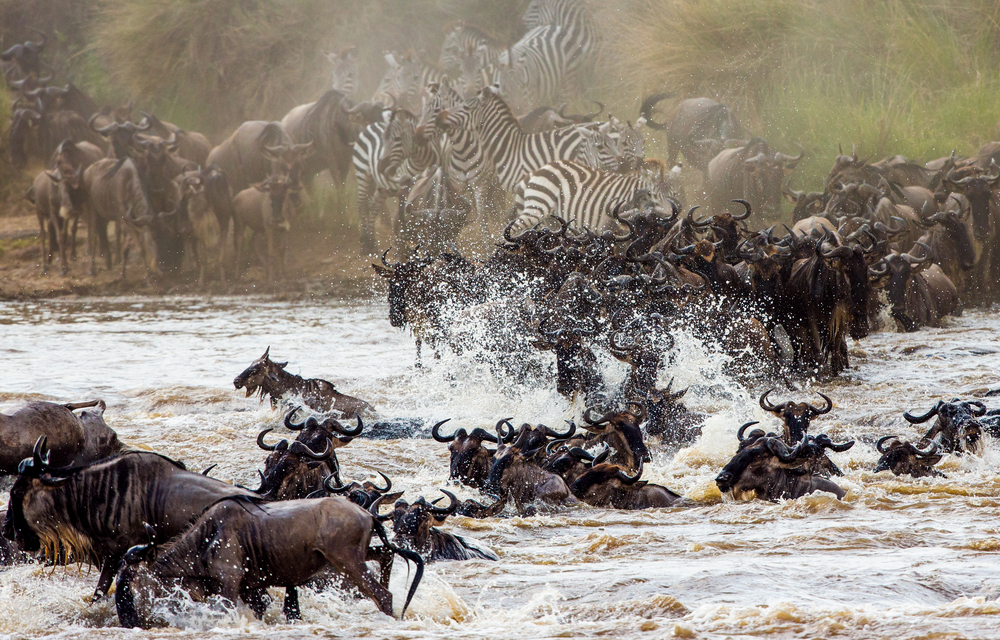
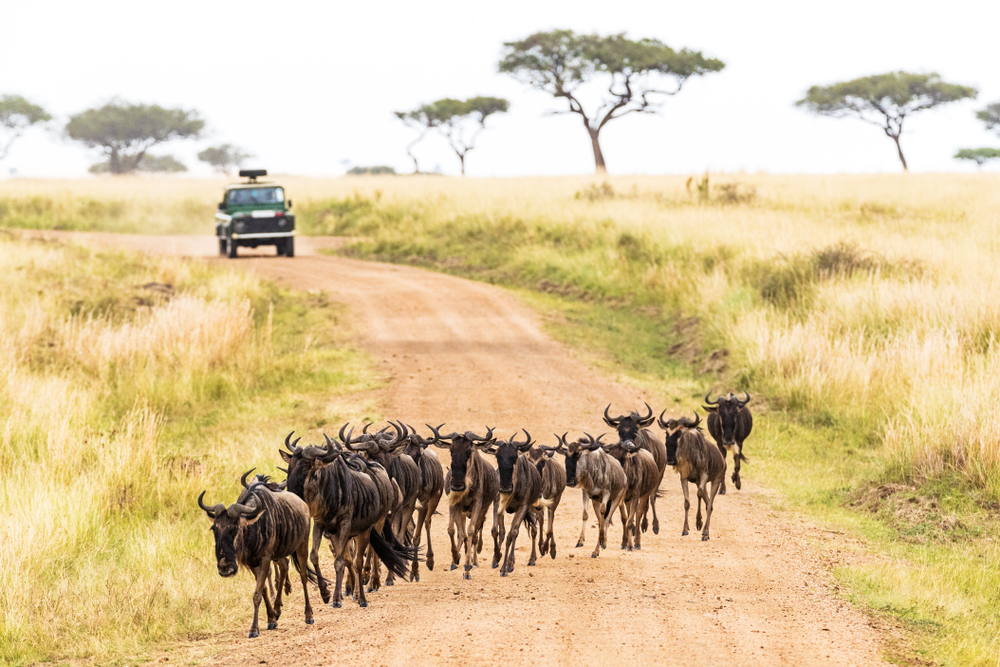
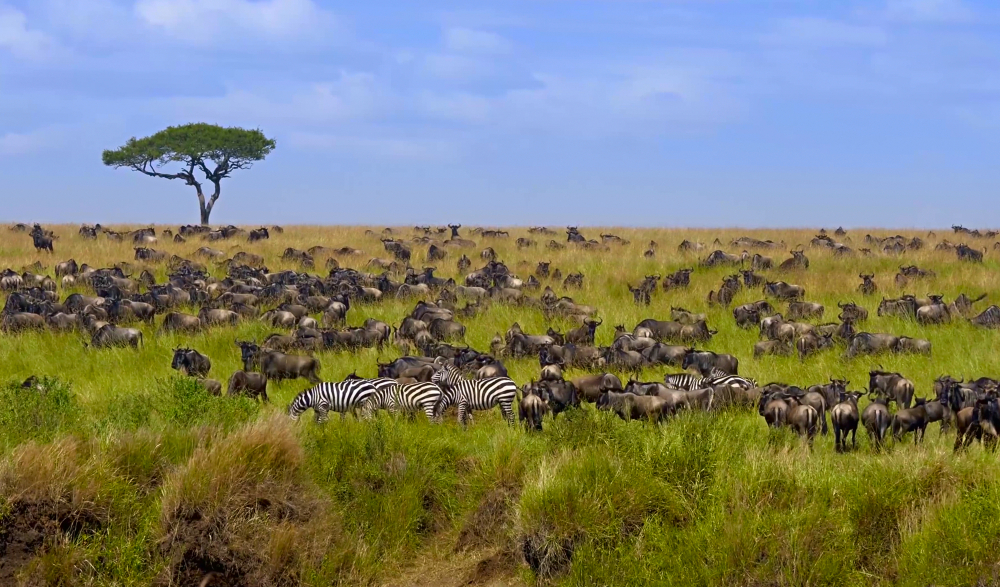
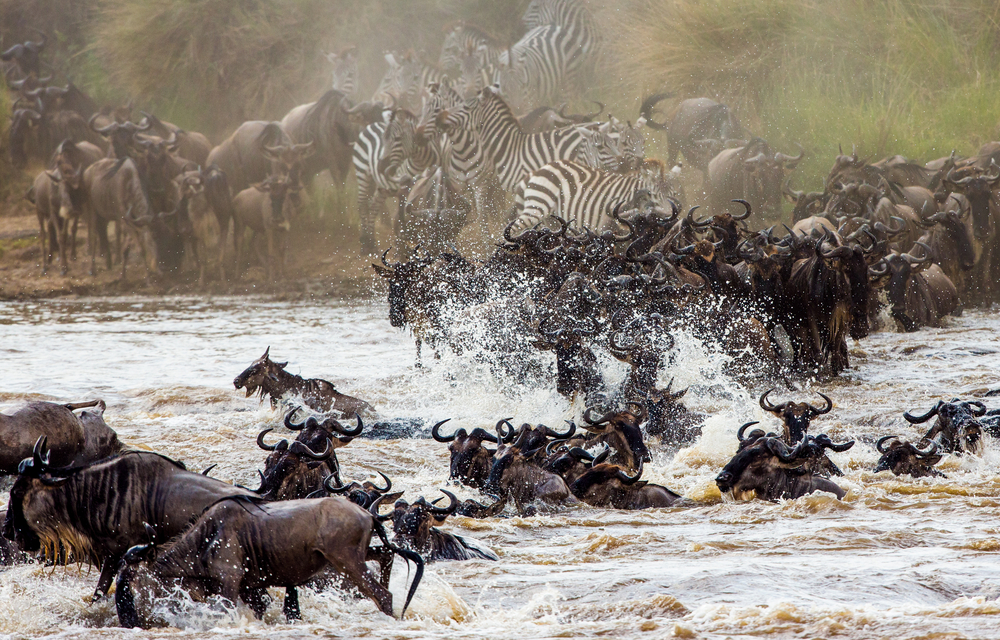
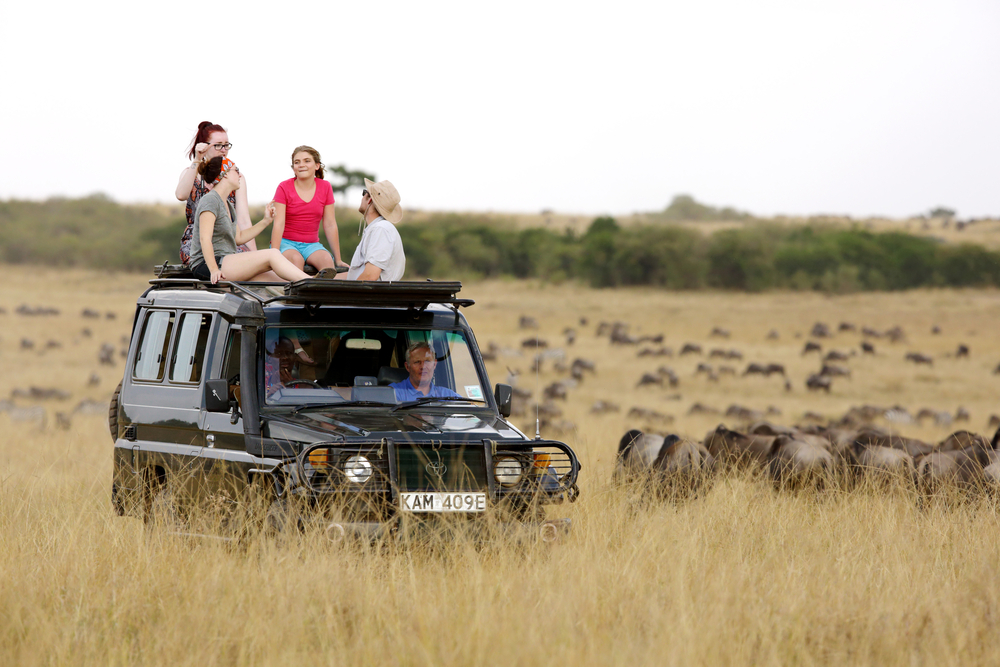
The Masai Mara is best known for the Great Migration. Each year, more than a million wildebeest, zebras, and gazelles move between the Serengeti and the Mara in search of fresh grazing. River crossings along the Mara River are among the most dramatic wildlife spectacles on Earth. Crocodiles wait in the water while predators follow the herds across the plains.
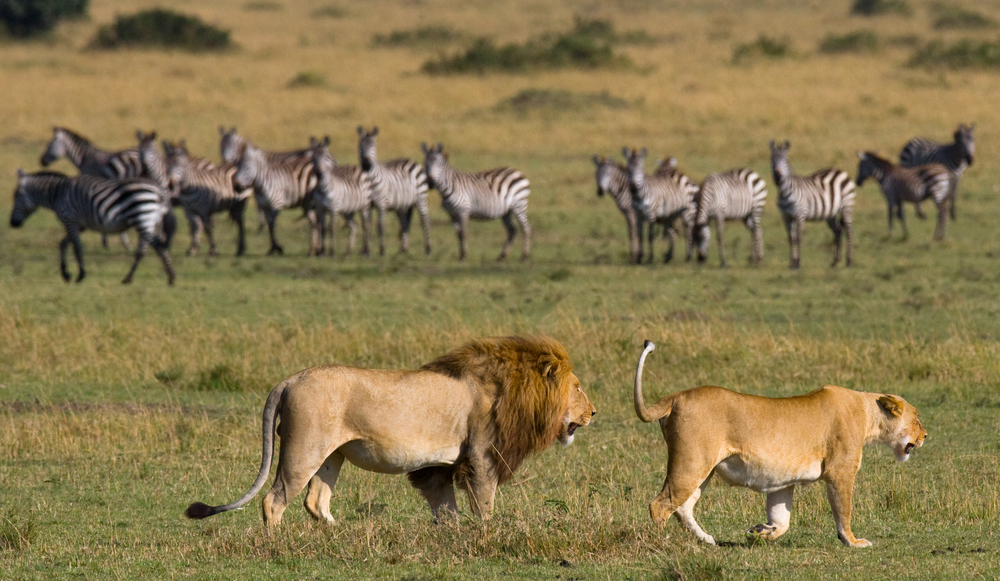
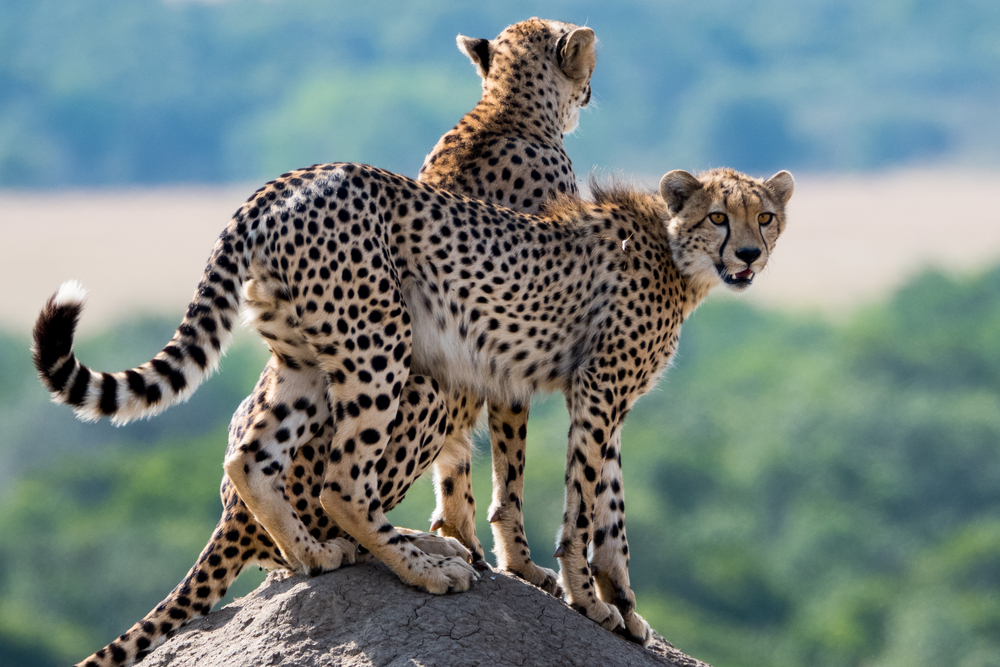
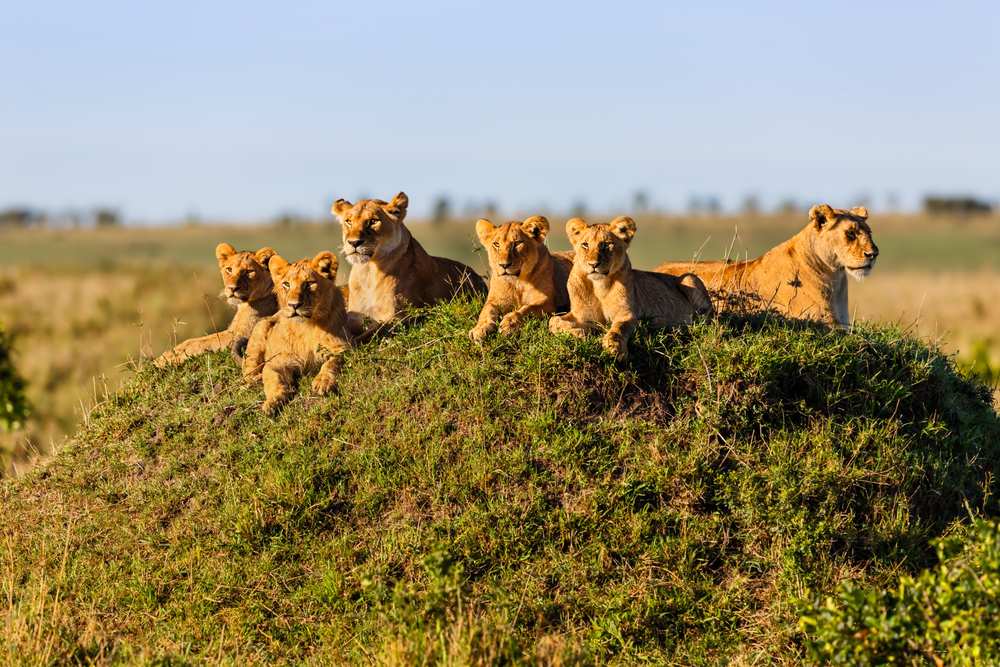
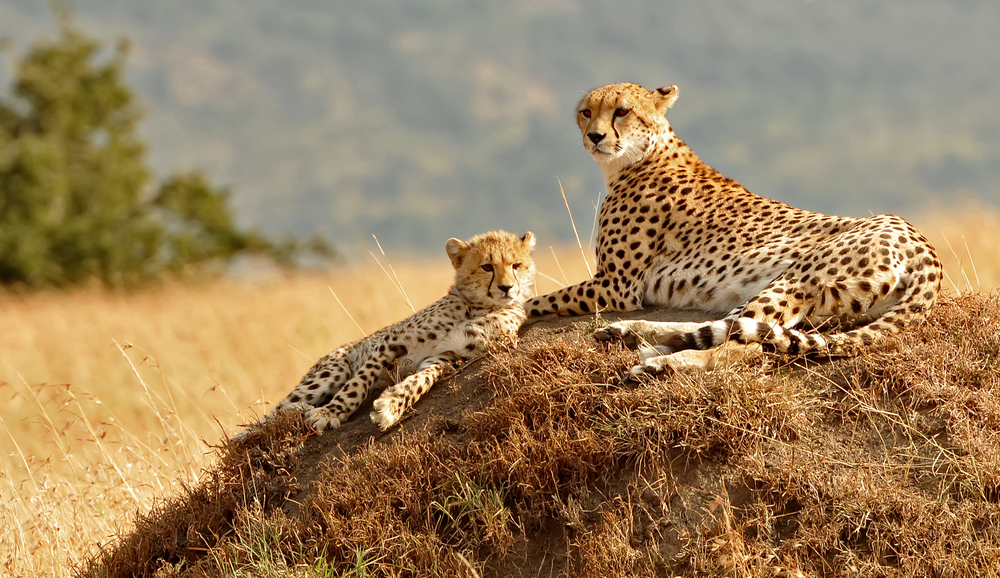
The reserve is also famous for exceptional big cat sightings. Lions, leopards, and cheetahs are regularly seen hunting across the open grasslands. Wildlife documentaries have helped make the Masai Mara one of the most recognizable safari destinations in the world.
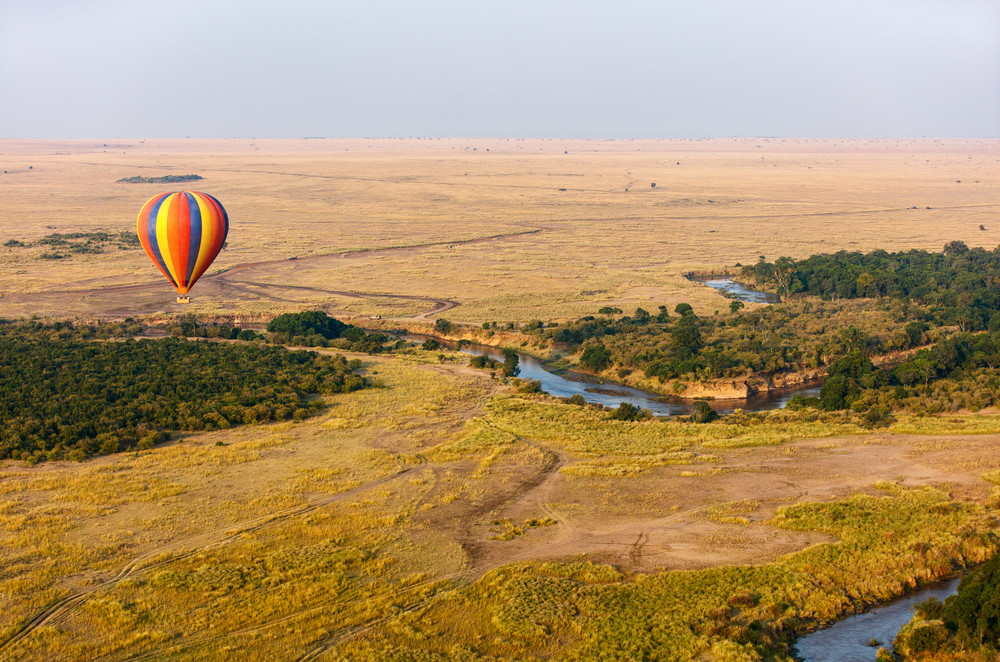
The geography of the reserve is both beautiful and diverse. Rolling grasslands dominate much of the landscape. Acacia trees dot the plains and create the classic East African scenery many travelers imagine. The Mara River and Talek River provide important water sources for wildlife throughout the year. Seasonal streams and small forests add variety to the ecosystem.
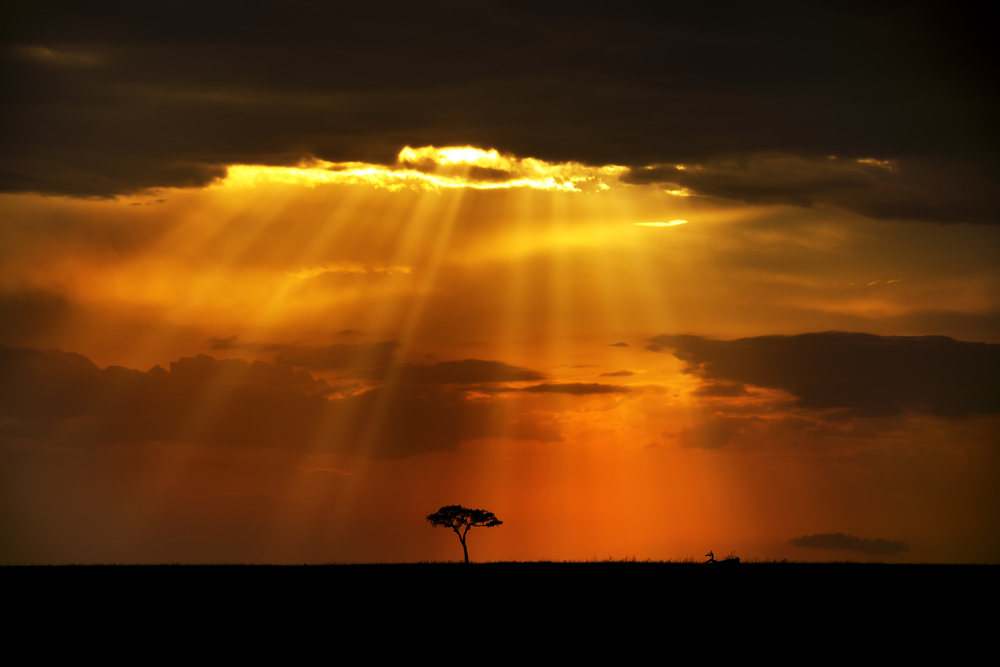
The western side of the reserve rises into the Siria Escarpment, which offers sweeping views over the plains below. During the rainy seasons, parts of the reserve turn lush and green. During dry months, golden grasses stretch toward the horizon under wide African skies.
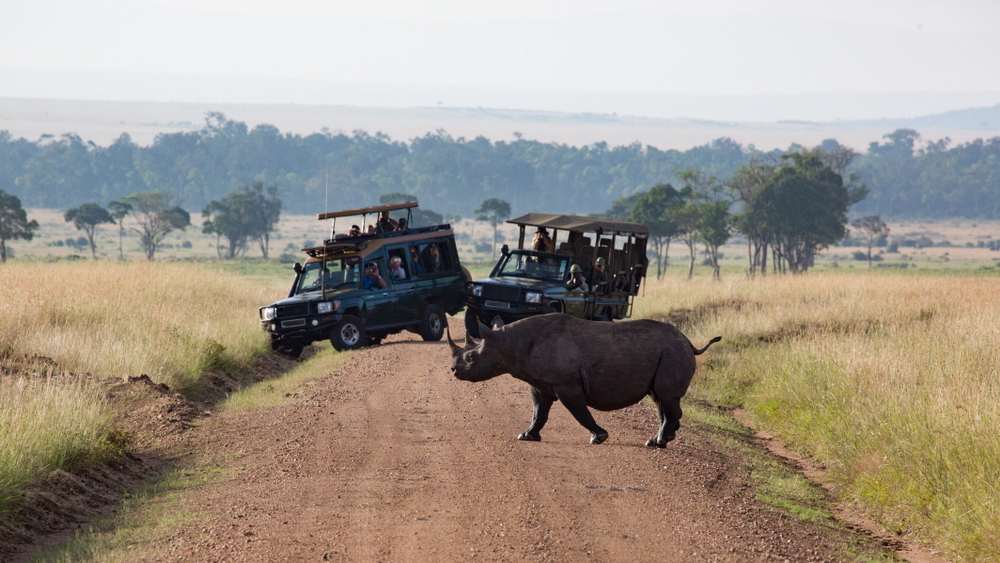
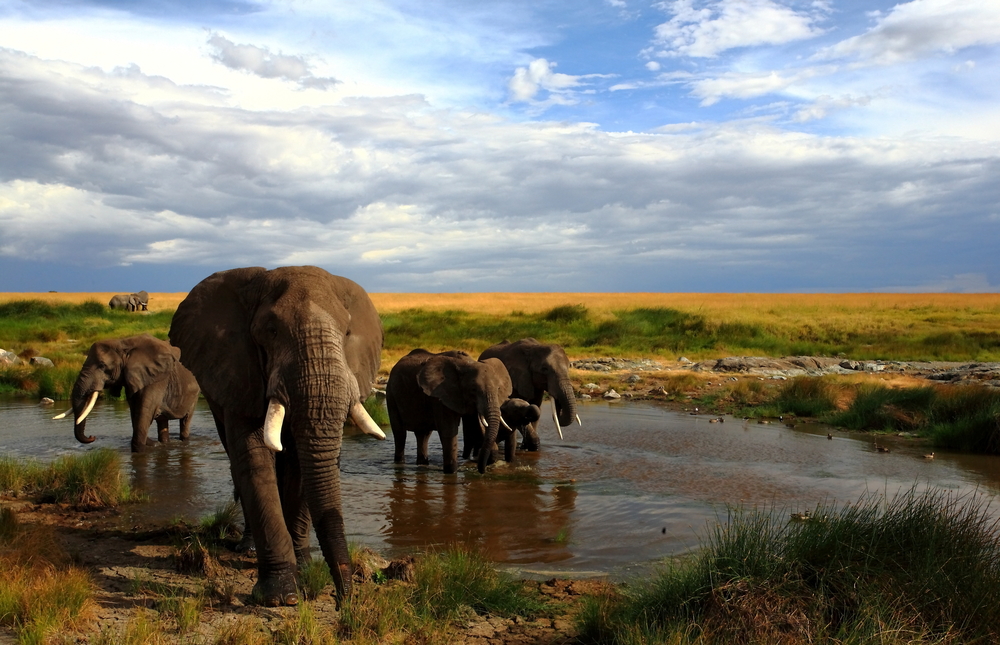
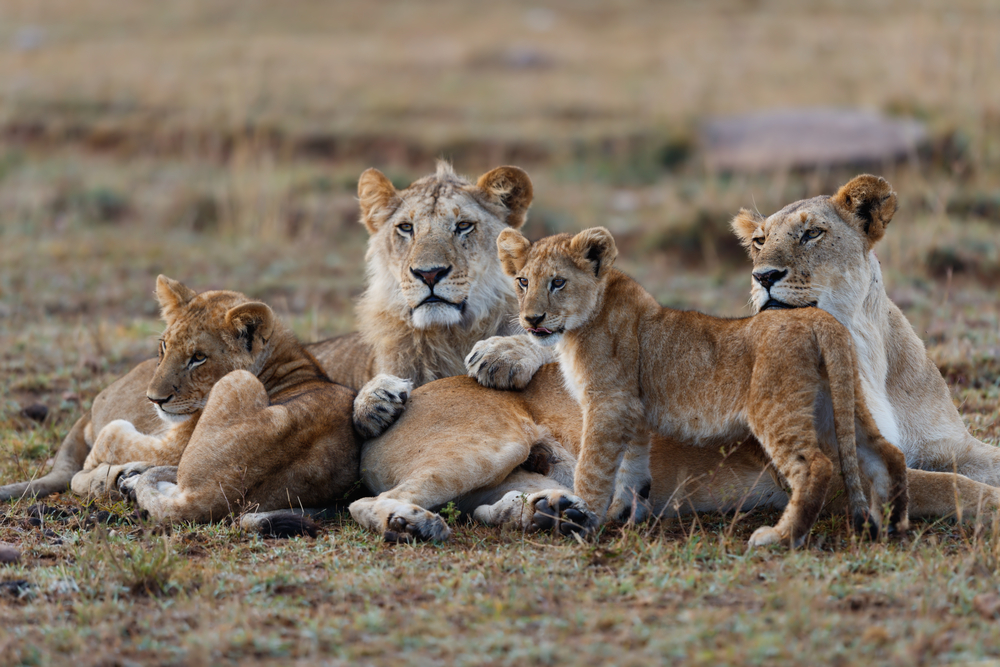
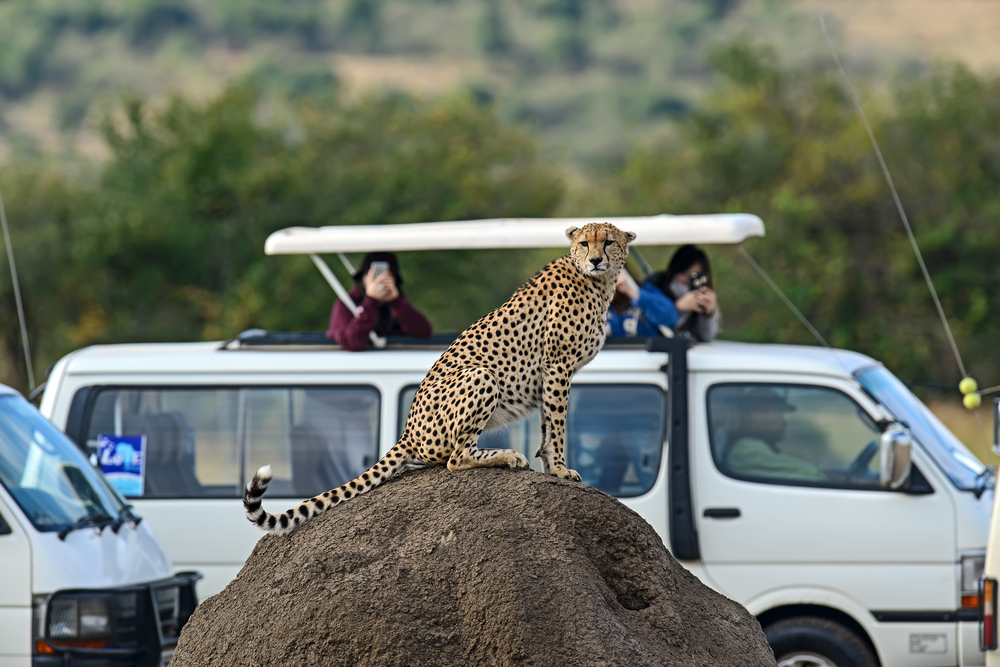
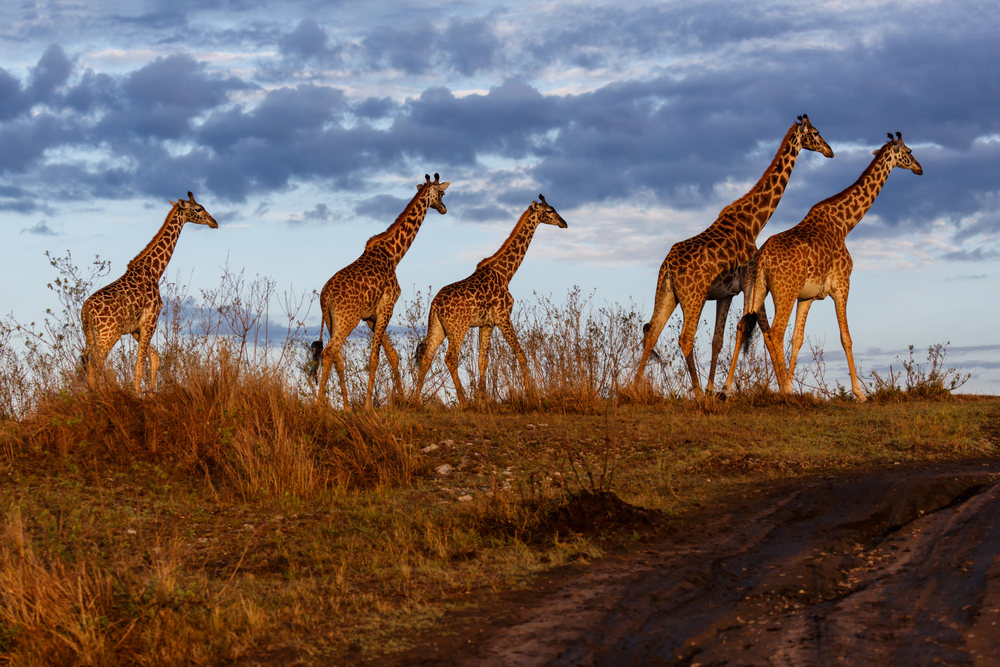
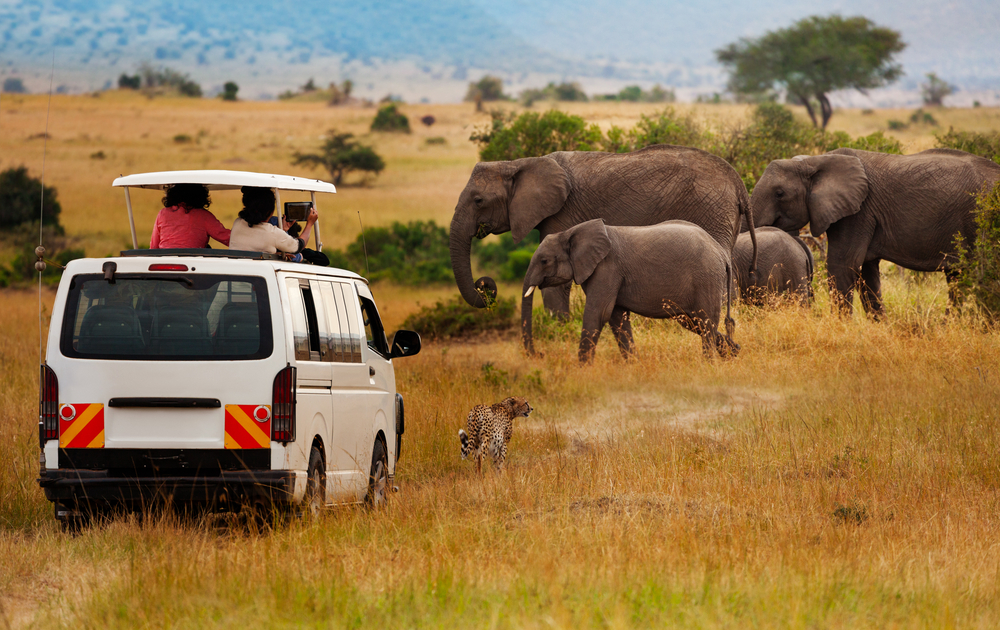
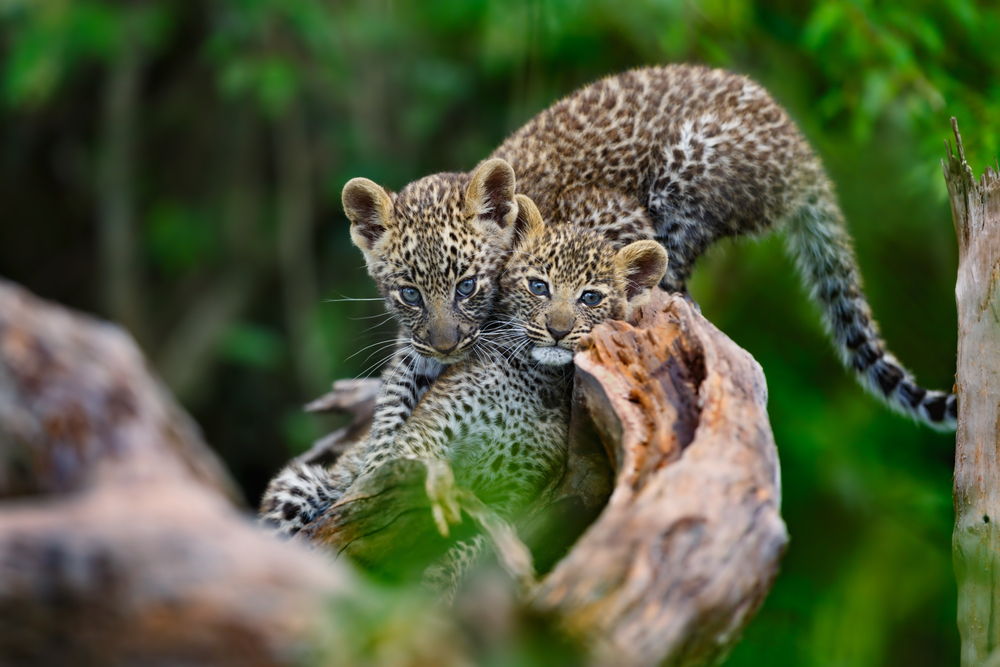
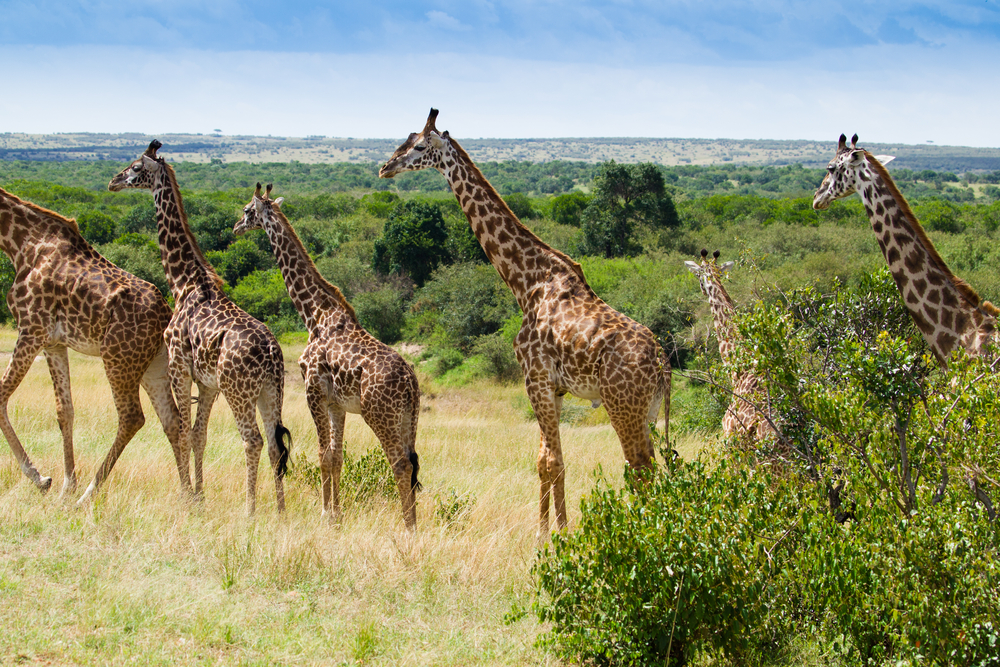
Wildlife is abundant throughout the reserve. Lions are among the park’s biggest attractions, and several large prides live within the Mara. Leopards often rest in riverine trees while cheetahs patrol the open plains. Elephants roam the grasslands and woodlands in family groups. Large herds of buffalo are common, and giraffes feed from scattered acacia trees.
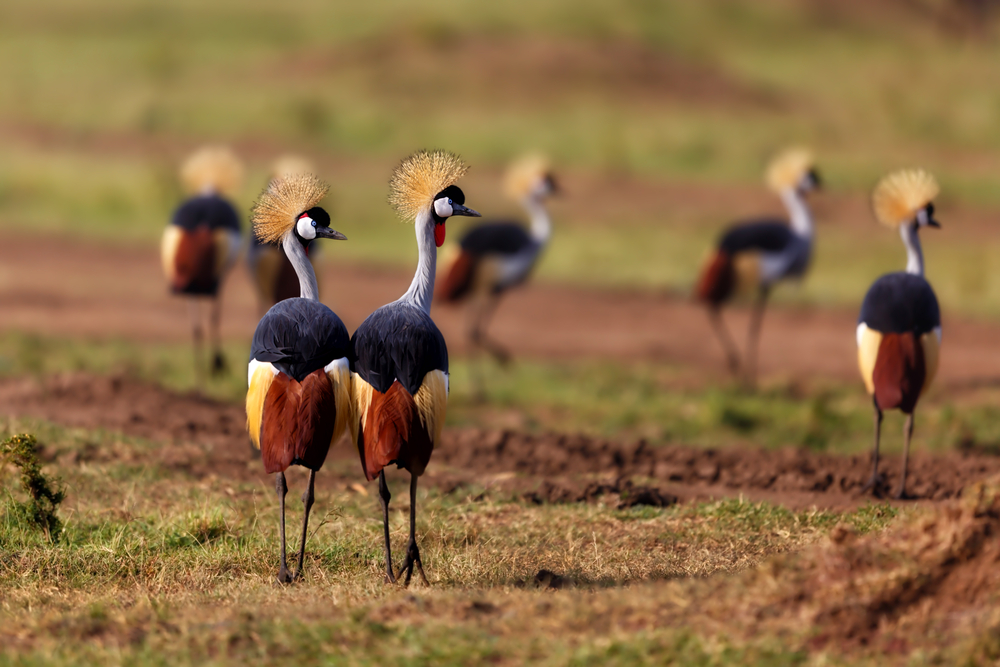
Hippos and Nile crocodiles thrive along the rivers. The reserve is also home to hyenas, jackals, servals, and bat-eared foxes. Birdlife is impressive, with more than 500 species recorded. Eagles, vultures, ostriches, secretary birds, and colorful lilac-breasted rollers are frequently seen.
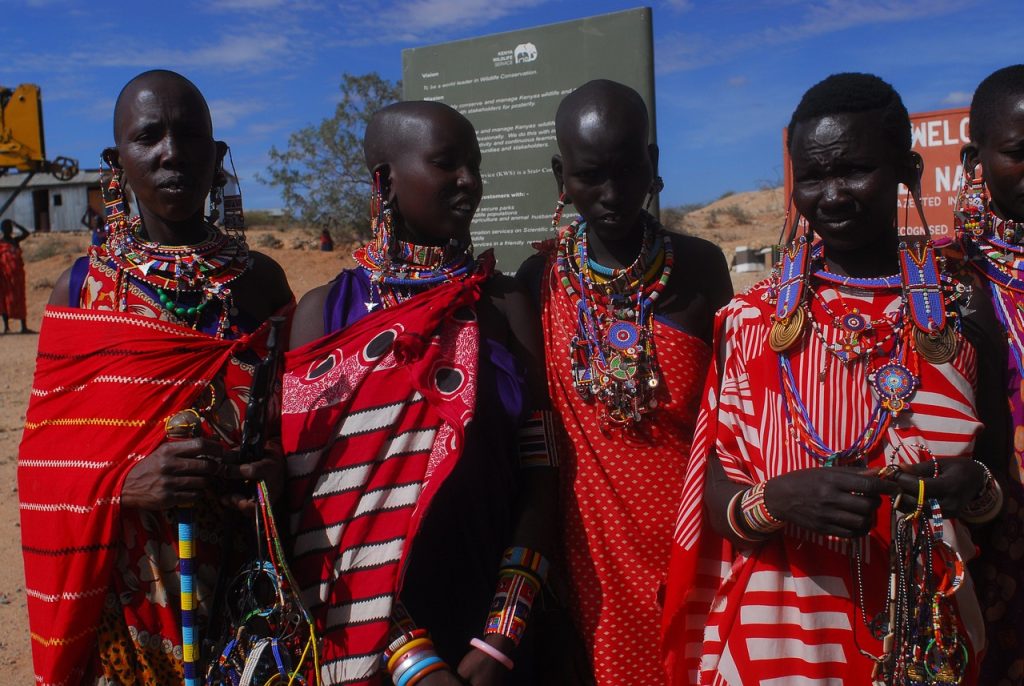
The Masai Mara protects one of the last great functioning savanna ecosystems on Earth. The reserve preserves critical migration routes that have existed for thousands of years. It also supports the traditional lands of the Maasai people, whose culture remains closely tied to the region. The Mara is often compared to the Serengeti because the two ecosystems function together as one connected wilderness.
Few places in the world match the Mara’s density of predators and grazing animals. Similar wildlife spectacles exist in places like Kruger National Park or Yellowstone National Park, yet the scale of migration and predator activity in the Masai Mara remains truly unique. The reserve stands as one of Africa’s greatest conservation treasures and continues to inspire visitors from around the world.
Photos
Things to See
 Whether in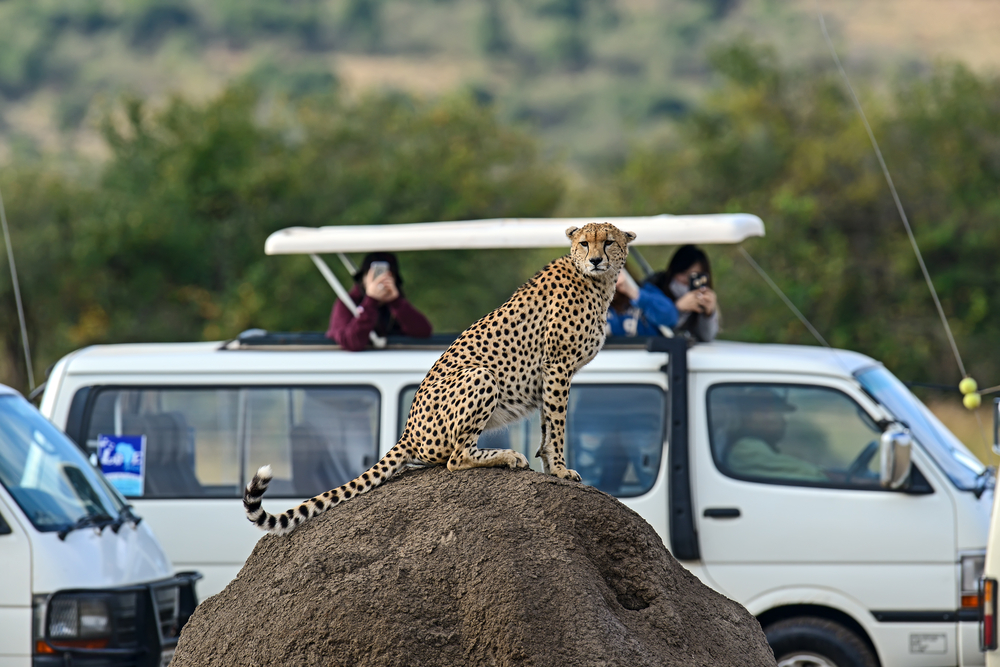
Things To Do
Masai Mara is a wildlife haven with penty of opportunities to see the variety and abundance of animals in the park.

Masai Mara National Park Trails
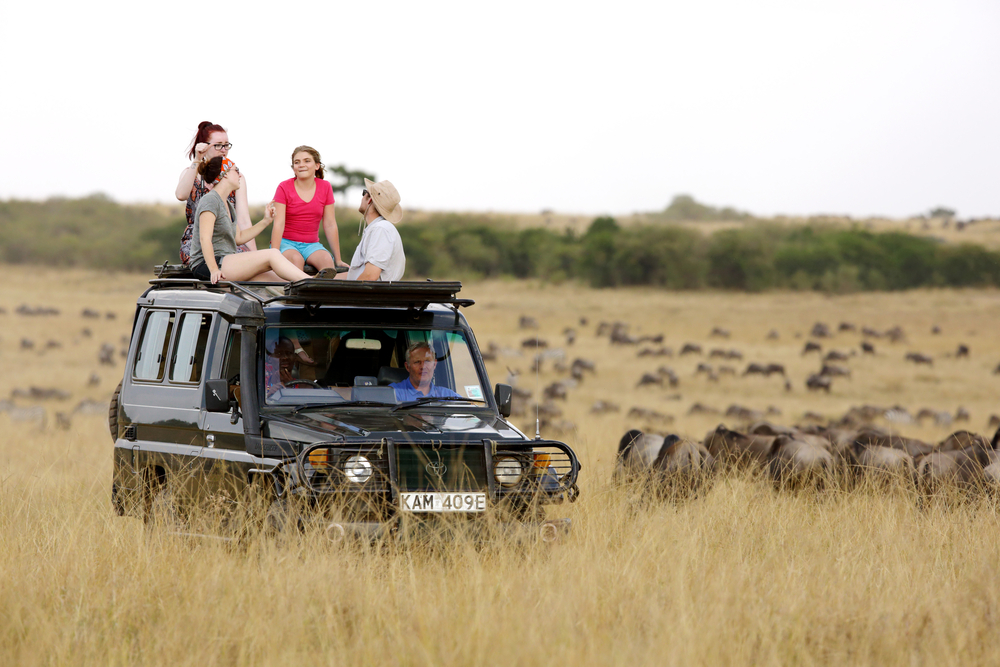
The Masai Mara is wilderness at its wildest. There are predator species roaming throughout the park and hiking is not an option. The good news is there are walking safaris which do provide opportunities to have guided and guarded treks into this splendid wilderness. Make certain you pay attention to any instructions provided by the guide or guards. They have your safety in mind first with the goal of a wonderful experience with nature as the next key objective.

FAQ’s
What is the main reason people visit Masai Mara National Park?
Masai Mara National Park is primarily visited for its incredible wildlife viewing, the Great Migration, and exceptional opportunities to see Africa’s Big Five. Located in southwestern Kenya along the border with Tanzania’s Serengeti National Park, the Masai Mara is one of the world’s most famous safari destinations.
Visitors come to witness vast herds of wildebeest and zebra crossing crocodile-filled rivers, observe lions and other predators, experience Maasai culture, and enjoy some of the best wildlife photography opportunities on Earth.
What animals can visitors hope to see in Masai Mara National Park?
Masai Mara National Park supports more than 95 mammal species and over 60 reptile species. The reserve is particularly famous for its abundant predators and massive herds of grazing animals.
Some of the most popular mammals found in Masai Mara National Park include:
- Lion
- Leopard
- African Elephant
- African Buffalo
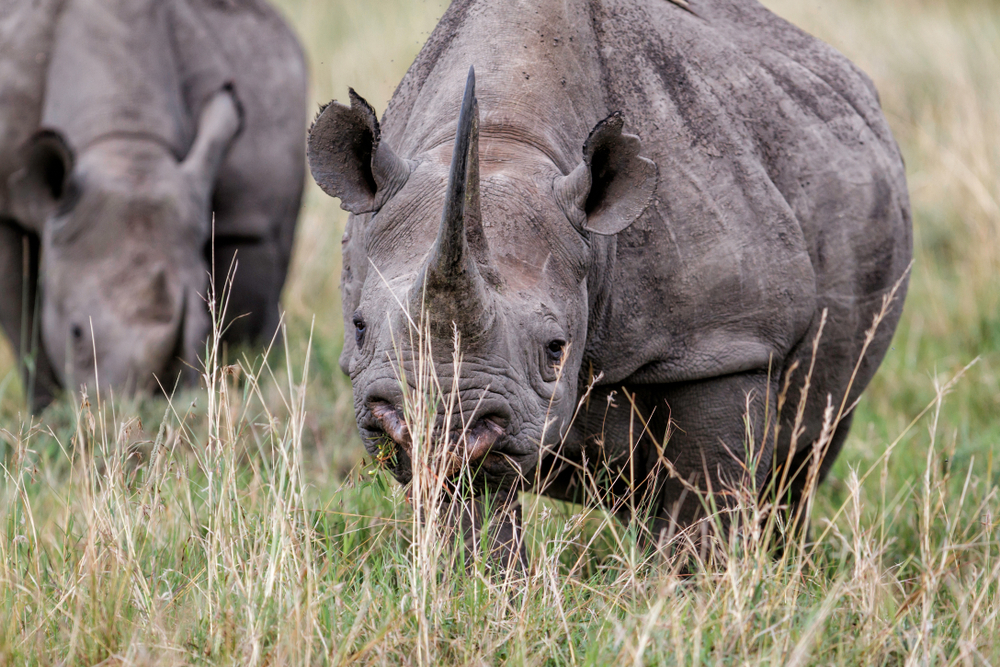
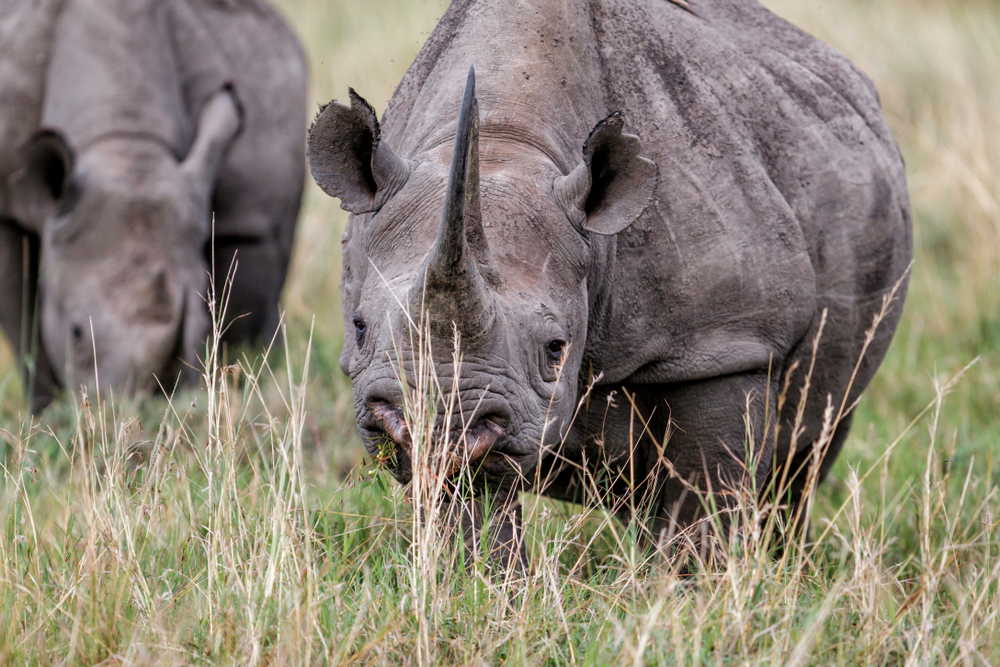
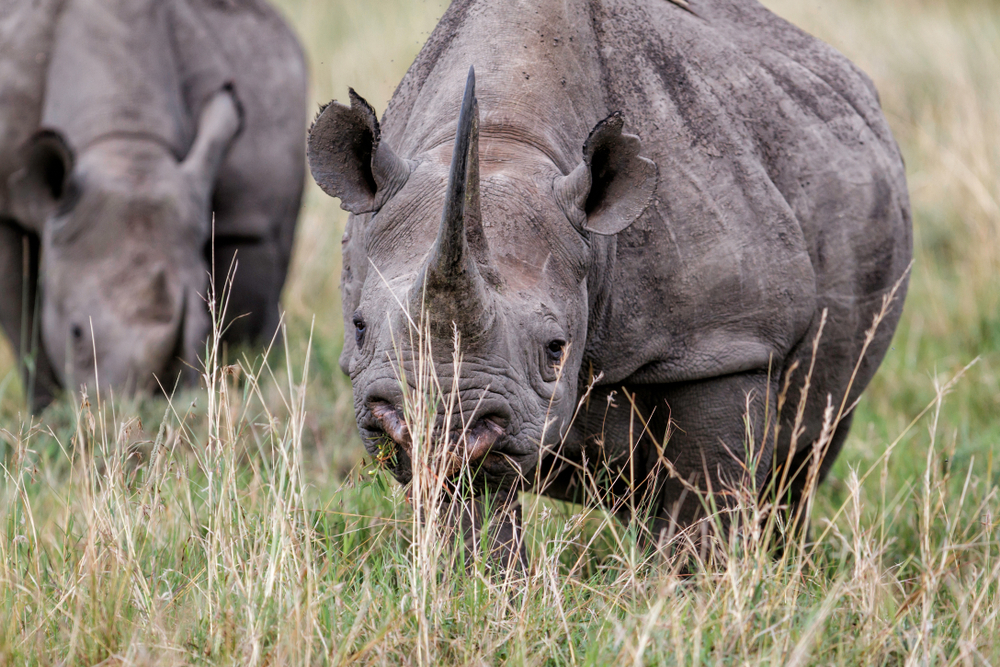
- Black Rhinoceros
- Cheetah
- African Wild Dog
- Spotted Hyena
- Striped Hyena
- Black-backed Jackal
- Side-striped Jackal
- Bat-eared Fox
- Hippopotamus
- Nile Crocodile
- Plains Zebra
- Blue Wildebeest
- Masai Giraffe
- Eland
- Topi
- Coke’s Hartebeest
- Impala
- Thomson’s Gazelle
- Grant’s Gazelle
- Waterbuck
- Bohor Reedbuck
- Bushbuck
- Common Duiker
- Steenbok
- Klipspringer
- Warthog
- Bush Pig
- Serval
- Caracal
- African Wildcat
- Honey Badger
- African Civet
- Large-spotted Genet
- Small-spotted Genet
- White-tailed Mongoose
- Slender Mongoose
- Banded Mongoose
- Dwarf Mongoose
- Egyptian Mongoose
- Porcupine
- Cape Hare
- Scrub Hare
- Vervet Monkey
- Olive Baboon
- Sykes’ Monkey
- Ground Squirrel Species
What birds can visitors hope to see in Masai Mara National Park?
Masai Mara National Park is one of Africa’s premier birdwatching destinations, with more than 500 recorded bird species. The reserve’s grasslands, rivers, woodlands, and wetlands support an exceptional diversity of resident and migratory birds.
Some of the most popular birds seen in Masai Mara National Park include:
- Secretarybird
- Kori Bustard
- African Fish Eagle
- Martial Eagle
- Bateleur
- Tawny Eagle
- Verreaux’s Eagle
- Wahlberg’s Eagle
- African Hawk-Eagle
- Lappet-faced Vulture
- White-backed Vulture
- Rüppell’s Vulture
- Hooded Vulture
- Saddle-billed Stork
- Yellow-billed Stork
- Marabou Stork
- Woolly-necked Stork
- African Openbill
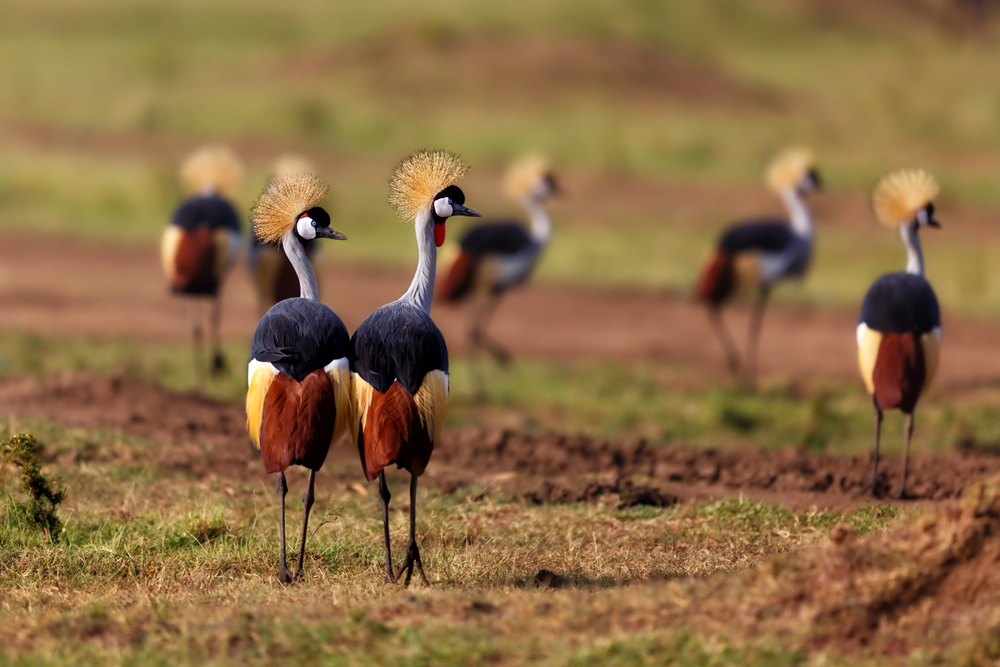
- Grey Crowned Crane
- Black Crowned Crane
- African Spoonbill
- Sacred Ibis
- Hadada Ibis
- Glossy Ibis
- Hamerkop
- Goliath Heron
- Grey Heron
- Purple Heron
- Great Egret
- Little Egret
- Spur-winged Goose
- Egyptian Goose
- Knob-billed Duck
- African Jacana
- Black Crake
- Pied Kingfisher
- Giant Kingfisher
- Malachite Kingfisher
- Woodland Kingfisher
- Lilac-breasted Roller
- European Roller
- Rufous-crowned Roller
- Southern Ground Hornbill
- Von der Decken’s Hornbill
- Red-billed Hornbill
- Yellow-billed Hornbill
- Superb Starling
- Fischer’s Lovebird
- White-bellied Go-away-bird
- Grey-headed Kingfisher
Is Masai Mara National Park worth visiting?
Yes, Masai Mara National Park is absolutely worth visiting and is widely considered one of the greatest safari destinations in the world.
The reserve offers outstanding opportunities to see the Big Five, large predator populations, abundant wildlife year-round, and the famous Great Migration. Many travelers consider the Masai Mara a bucket-list destination and rank it alongside Serengeti National Park, Kruger National Park, and Chobe National Park as one of Africa’s premier wildlife destinations.
The primary drawback is that some areas can become busy during peak migration season due to the park’s popularity.
What is the best time to visit Masai Mara National Park?
The best time to visit depends on your interests:
- July to October: Best for the Great Migration and river crossings.
- December to February: Excellent wildlife viewing and predator activity.
- March to June: Lush scenery, fewer tourists, and good birdwatching opportunities.
The reserve offers excellent wildlife viewing throughout the year.
How many days do you need to visit Masai Mara National Park?
Most visitors should plan for 3 to 5 days.
- 2 days: Introduction to the reserve and major wildlife viewing.
- 3 days: Comprehensive safari experience.
- 4–5 days: Multiple game drives, photography, and cultural visits.
- 6+ days: Ideal for photographers and wildlife enthusiasts.
Longer stays greatly increase opportunities to observe predator behavior and migration events.
How do you get to Masai Mara National Park?
Maasai Mara National Reserve is located in southwestern Kenya, approximately 140 miles (225 km) west of Nairobi.
The primary international airport is:
- Jomo Kenyatta International Airport
Most visitors reach the reserve by either:
- Domestic flight.
- Safari vehicle.
Flying to the Maasai Mara
Many visitors choose to fly from Nairobi to one of several airstrips within the reserve, including:
- Keekorok Airstrip
- Musiara Airstrip
- Ol Kiombo Airstrip
- Mara Serena Airstrip
Flights typically take approximately 45–60 minutes.
Driving from Nairobi
Visitors may also travel by road:
- Travel time: approximately 5–6 hours.
- Distance: approximately 140–170 miles depending on destination.
Many safari packages include transportation.
Mara River
One of the reserve’s most famous attractions is:
- Mara River
Known for:
- Great Migration river crossings.
- Nile crocodiles.
- Hippos.
- Exceptional wildlife viewing.
Great Migration Viewing Areas
Prime migration locations include:
- Mara Triangle
- Musiara Marsh
- Talek River
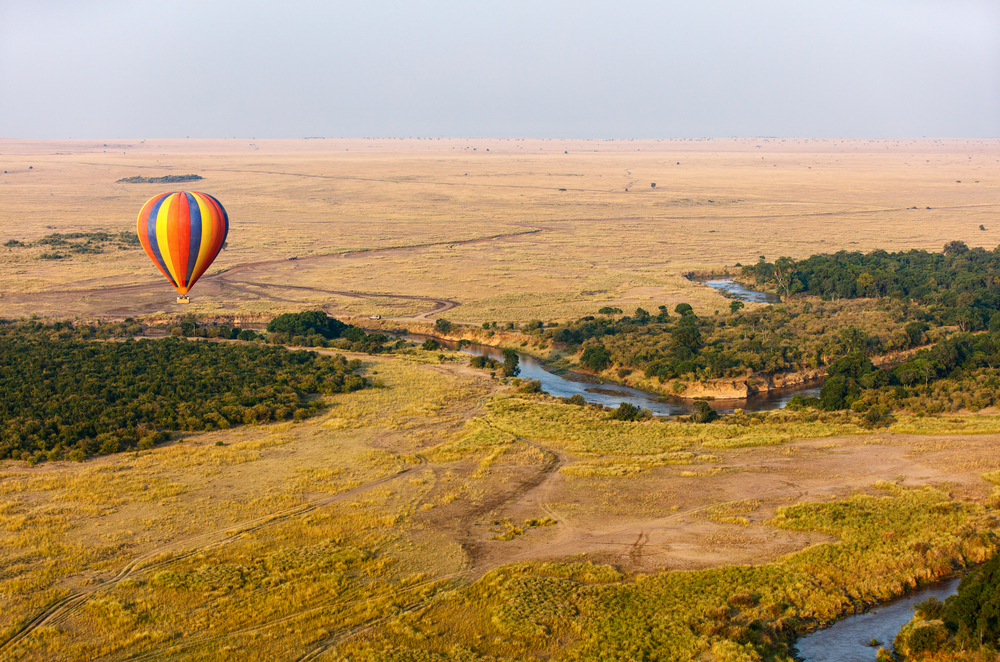
Hot Air Balloon Safaris
One of the reserve’s signature experiences is:
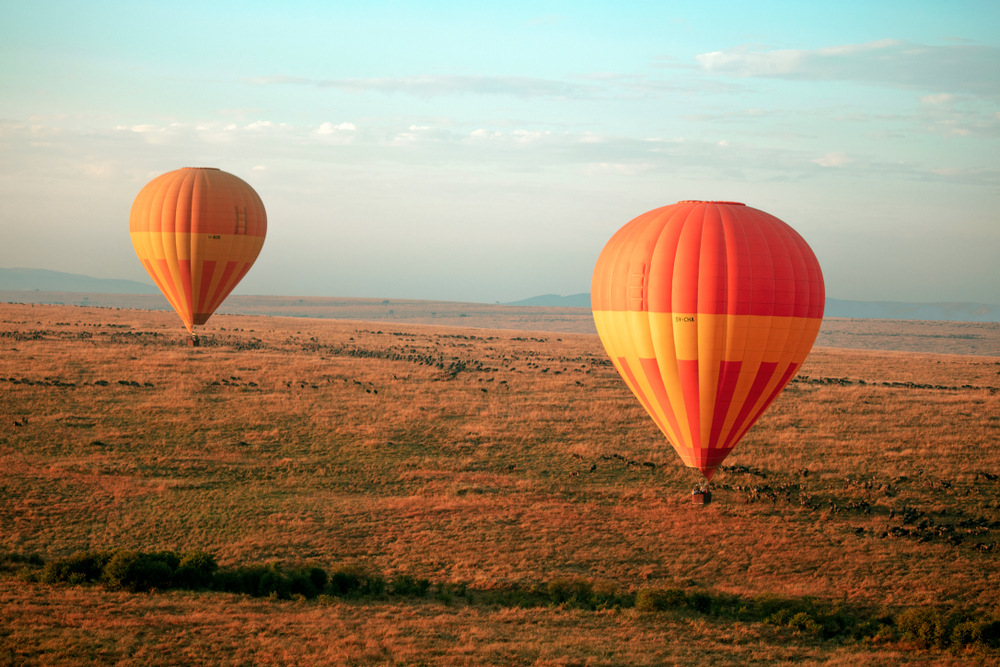
- Hot air balloon safaris.
These flights provide:
- Sunrise wildlife viewing.
- Panoramic savanna scenery.
- Photography opportunities.
- Unique perspectives of wildlife herds.
Travel Times
Typical travel times include:
- Nairobi to Maasai Mara by air: 45–60 minutes.
- Nairobi to Maasai Mara by road: 5–6 hours.
- Airstrip to lodge: 15–60 minutes depending on location.
Who is involved in protecting and supporting Masai Mara National Park?
Several organizations help protect Masai Mara National Park:
- Narok County Government – responsible for managing the Masai Mara National Reserve.
- Kenya Wildlife Service (KWS) – supports wildlife conservation and law enforcement efforts.
- Mara Conservancy – manages key sectors of the reserve and supports conservation operations.
- Mara Elephant Project – works to protect elephants and reduce human-wildlife conflict.
- Local Maasai communities and conservancies that play a critical role in protecting wildlife habitats surrounding the reserve.
Can you see the Big Five in Masai Mara National Park?
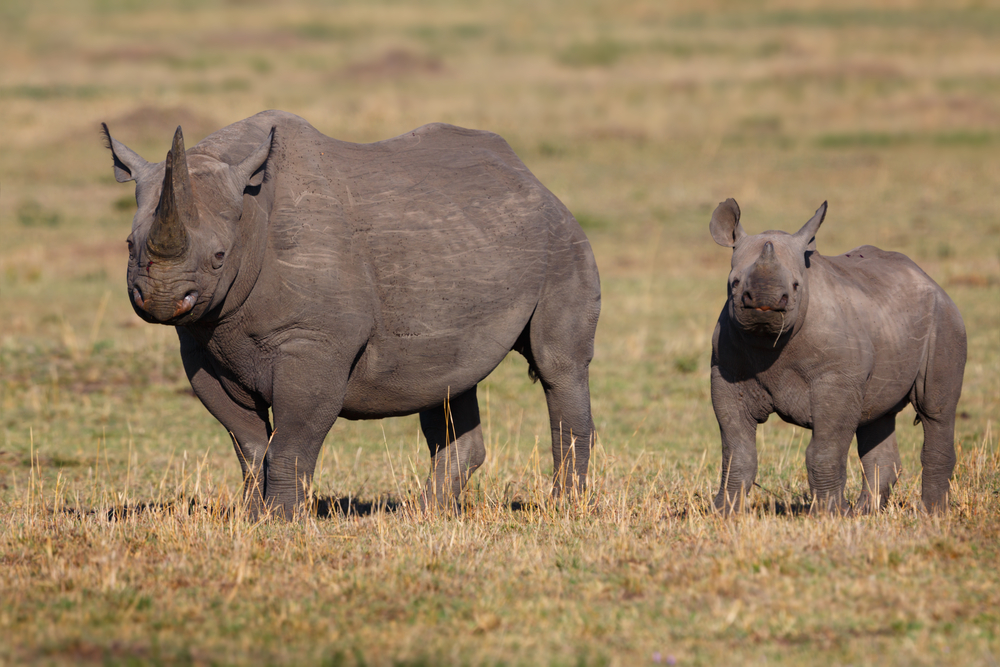
Yes. Masai Mara National Park is one of the best places in Africa to see the Big Five:
- Lion
- Leopard
- African Elephant
- African Buffalo
- Black Rhinoceros
The reserve offers some of the highest probabilities of seeing all five species during a safari.
What is the Great Migration in Masai Mara National Park?
The Great Migration is one of the world’s greatest wildlife spectacles. Each year, more than a million wildebeest, along with hundreds of thousands of zebras and gazelles, move between Tanzania’s Serengeti and Kenya’s Masai Mara in search of fresh grazing. River crossings on the Mara River are among the most famous wildlife events in the world.
Sources
- Africa Geographic Travel, Masai Mara, https://travel.africageographic.com/destinations/kenya/maasai-mara/#information, retrieved June 2020.
- Britannica, Masai Mara National Reserve, https://www.britannica.com/topic/Masai-Mara-National-Reserve, retrieved June 2020.
- Discover Africa, Masai Mara National Reserve, https://www.discoverafrica.com/safaris/kenya/masai-mara-national-reserve/, retrieved June 2020.
- Masai Mara, https://www.masaimara.com/, retrieved July 2019
- Magical Kenya, Masai Mara Game Reserve, http://www.magicalkenya.com/places-to-visit/wilderness-areas/masai-mara-game-reserve/, retrieved July 2019
- National Geographic, Mara Plains Camp: About the Destination, https://www.nationalgeographiclodges.com/lodges/africa/mara-plains/about-the-destination/#.XTsihpNKi1s, retrieved July 2019.
- William, J.G., National Parks of East Africa, HarperCollings Publishing, 1995.