


About
Komodo National Park is located along the border between East Nusa Tenggara and West Nusa Tenggara provinces. Indonesia is comprised of more than 17,000 islands and Komodo National Park is found within the Lesser Sunda Islands.
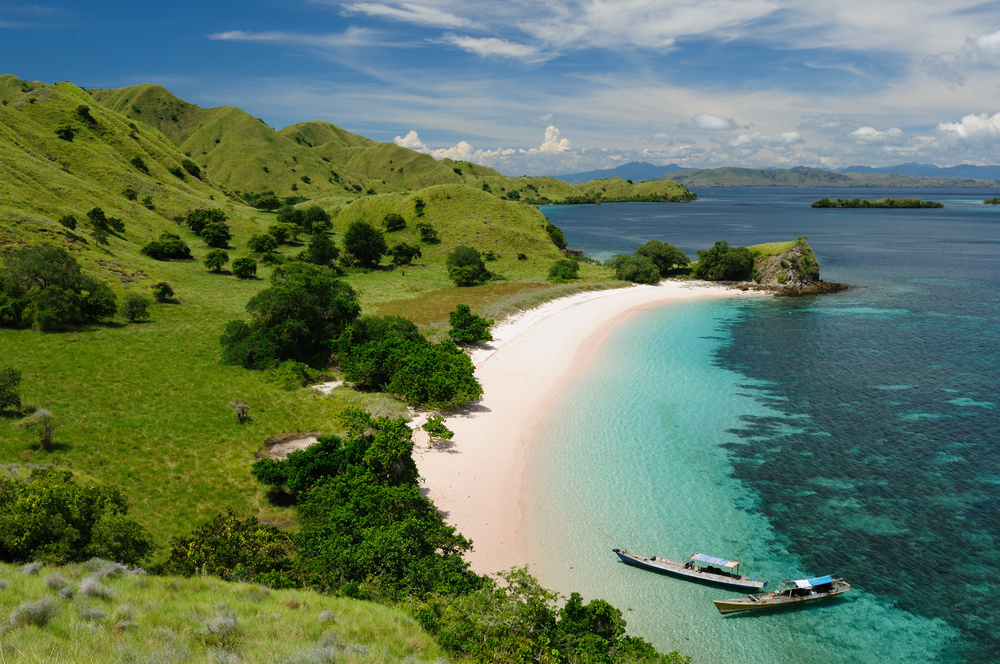
The park is comprised of 29 different islands with Komodo, Padar, and Rinca being the largest three. The islands all developed from volcanic activity and display as rugged rounded hills reaching heights of 2,411 feet (735 m).
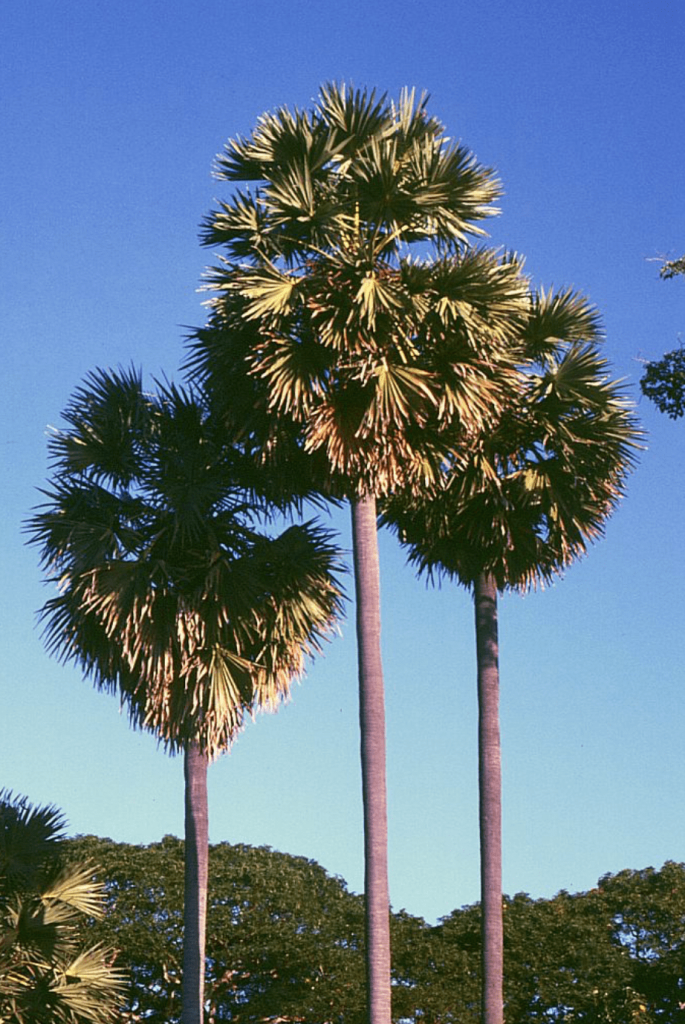
Savannah vegetation is the most commonly experienced flora in the island area. On islands that reach over 1,640 feet (500 m), there are cloud forests present. The mangrove forest is common in the coastal areas of the larger islands which offer protected bays.
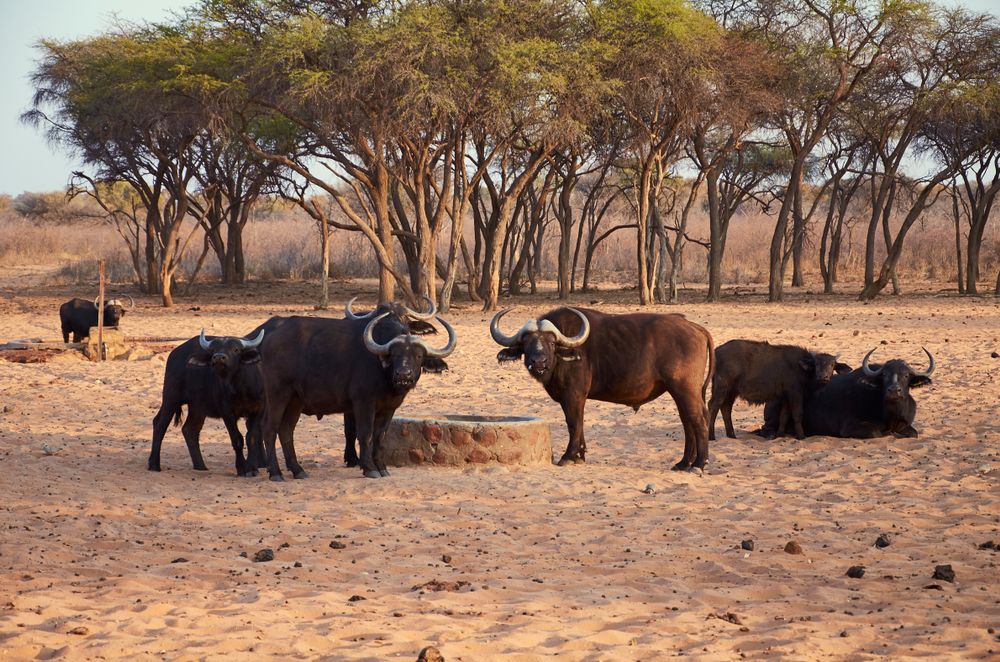
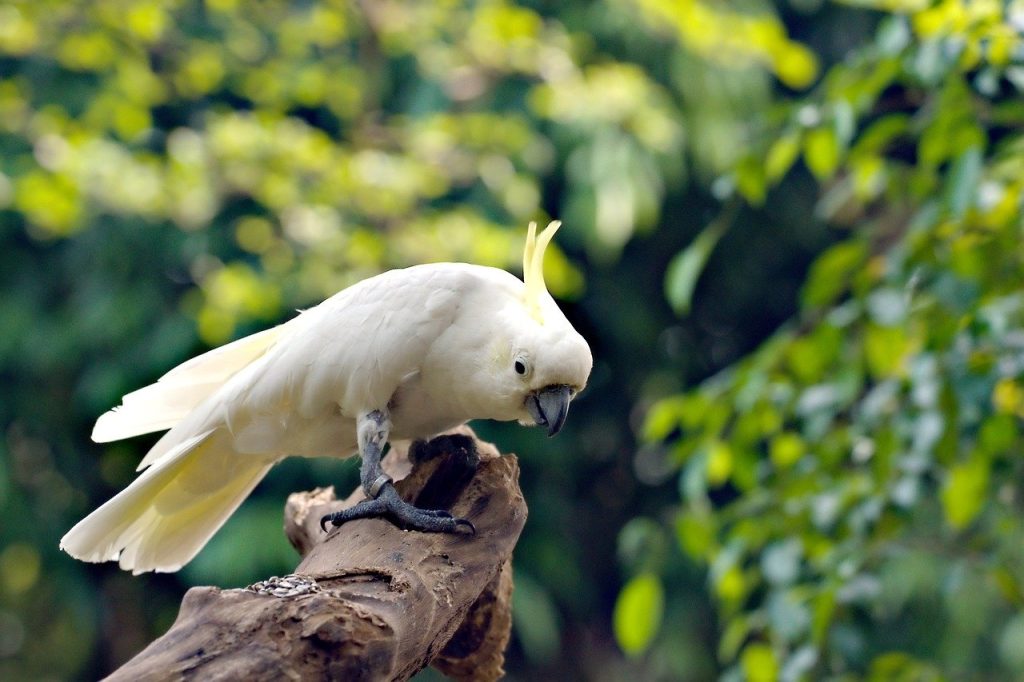
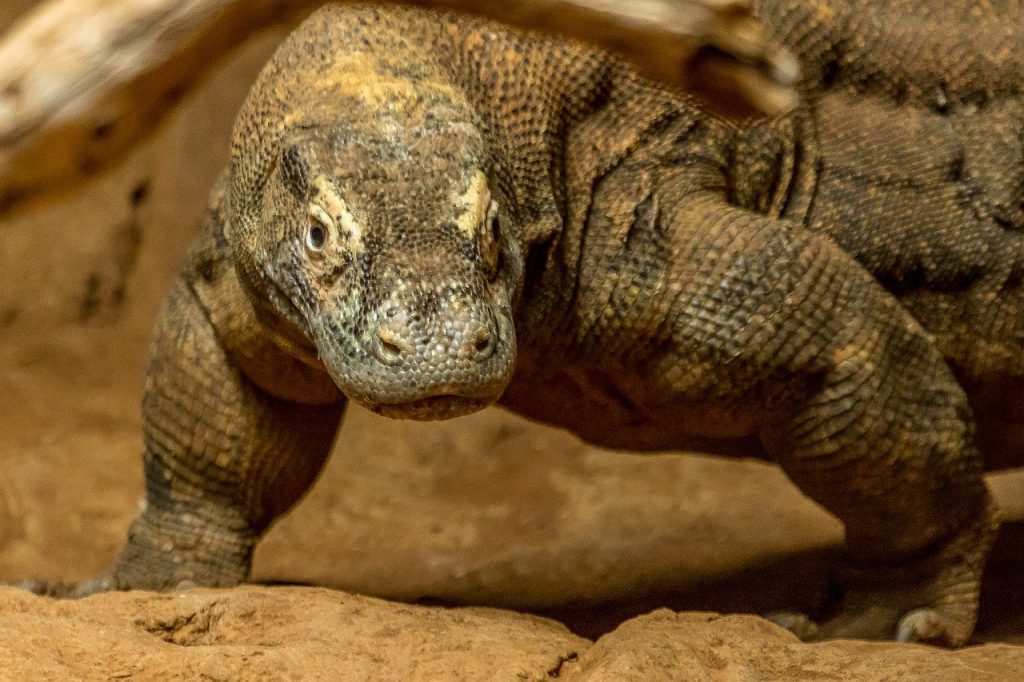
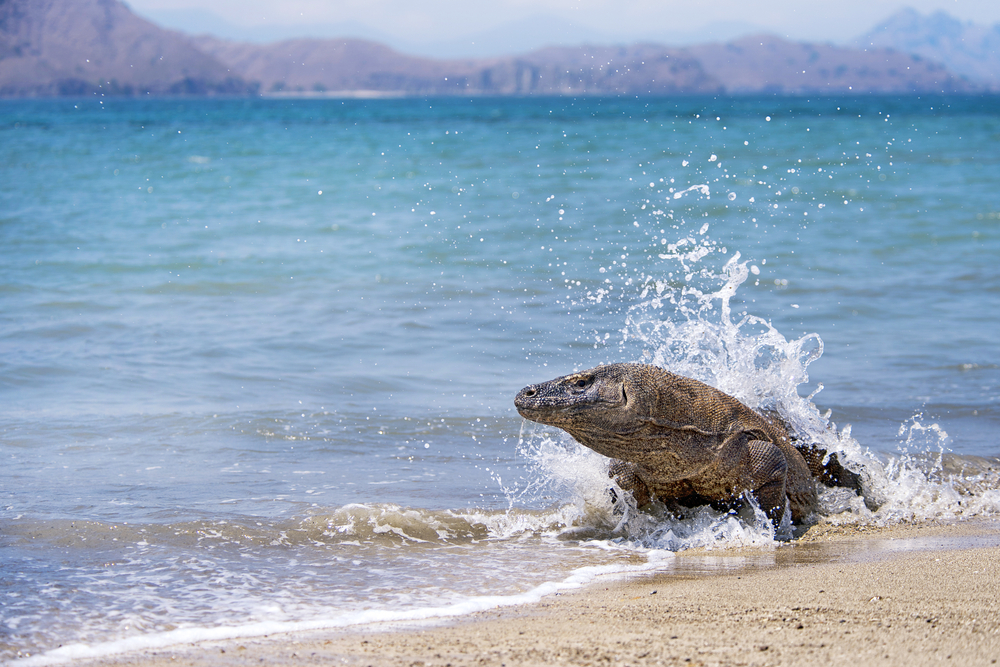
The islands are also rich in the marine life of the waters surrounding them. Whale sharks, sunfish, rays, seahorses, and octopuses are some of the more popular. Wildlife is limited with deer, boar, and buffalo. However, the leading species is the Komodo dragon which is the world’s largest lizard.
Photos


Things to See
 Komodo dragons have no predators; they sit atop the food chain. They can take down a full-grown buffalo or deer without complication. They are the king of the national park here in Indonesia. They will eat almost anything including smaller Komodo dragons.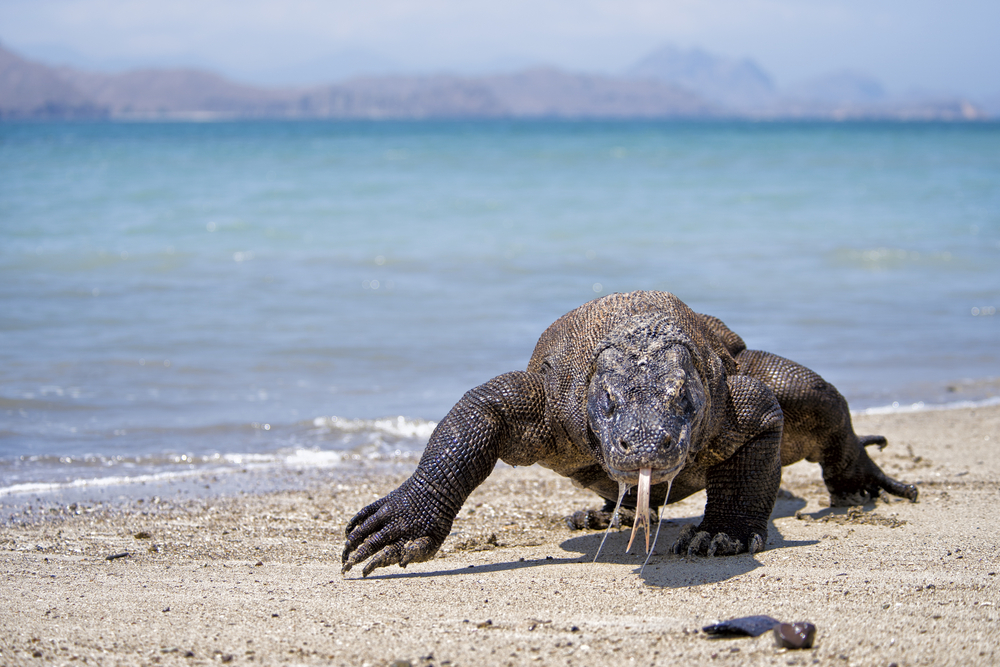
Things To Do
Engaging Komodo


Komodo National Park Trails
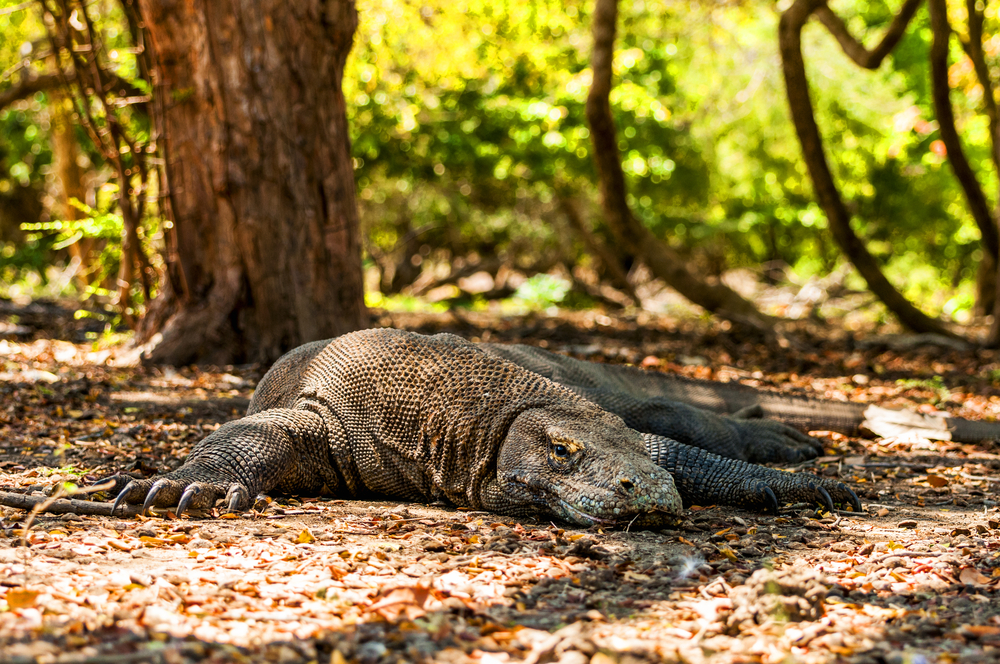
There are trails varying from short and easy to longer and more moderate rated based on abilities. The majority of exploration of the park is done through the assistance of guided tours. There are lookout points and visitor centers that allow you to learn information as well as capture glimpses of the world’s largest lizard.

FAQ’s
How many Komodo dragon lizards are there in the national park?
The population of Komodo dragons in Komodo National Park is estimated to be around 3,000 individuals. However, population estimates may vary due to factors such as habitat changes and conservation efforts.
How many islands are part of Komodo National Park?
Komodo National Park comprises a total of 29 islands, including the three main islands: Komodo, Rinca, and Padar.
These islands are known for their diverse ecosystems and unique wildlife, including the iconic Komodo dragons.
Which island has the most Komodo dragons?
Rinca Island is known to have the highest population of Komodo dragons within Komodo National Park. This island is one of the main habitats for these iconic reptiles and offers visitors the opportunity to observe them in their natural environment.
What is the best way to see Komodo dragons?
The best way to see Komodo dragons is by joining guided tours or hikes led by experienced park rangers or local guides within Komodo National Park. These tours typically take visitors to areas where Komodo dragons are commonly spotted, such as Rinca and Komodo Islands.
To increase your chances of seeing one, it’s recommended to visit during the cooler parts of the day when the dragons are more active, such as early morning or late afternoon.
Additionally, staying quiet and following the instructions of your guide can help minimize disturbance to the animals and improve your chances of a successful encounter.
How dangerous are Komodo dragons to people?
Komodo dragons can be dangerous to people, especially if provoked or threatened. They are formidable predators with powerful jaws, sharp teeth, and strong claws.
While they typically hunt smaller prey like deer and pigs, they have been known to attack humans if they feel threatened or if they mistake them for prey.
Komodo dragons have a potent venom that can cause serious injury or death to their prey, including humans. Additionally, their mouths harbor bacteria that can lead to infections if bitten.
As a result, it’s essential for visitors to follow safety guidelines and regulations when visiting Komodo National Park, such as staying with guides at all times, refraining from approaching or feeding the dragons, and keeping a safe distance from them.
Respecting their space and behavior is crucial for ensuring both visitor safety and the conservation of these iconic reptiles.
How many Komodo dragon lizards are there in the national park?
The population of Komodo dragons in Komodo National Park is estimated to be around 3,000 individuals. However, population estimates may vary due to factors such as habitat changes and conservation efforts.
How many islands are part of Komodo National Park?
Komodo National Park comprises a total of 29 islands, including the three main islands: Komodo, Rinca, and Padar.
These islands are known for their diverse ecosystems and unique wildlife, including the iconic Komodo dragons.
Which island has the most Komodo dragons?
Rinca Island is known to have the highest population of Komodo dragons within Komodo National Park. This island is one of the main habitats for these iconic reptiles and offers visitors the opportunity to observe them in their natural environment.
What is the best way to see Komodo dragons?
The best way to see Komodo dragons is by joining guided tours or hikes led by experienced park rangers or local guides within Komodo National Park. These tours typically take visitors to areas where Komodo dragons are commonly spotted, such as Rinca and Komodo Islands.
To increase your chances of seeing one, it’s recommended to visit during the cooler parts of the day when the dragons are more active, such as early morning or late afternoon.
Additionally, staying quiet and following the instructions of your guide can help minimize disturbance to the animals and improve your chances of a successful encounter.
How dangerous are Komodo dragons to people?
Komodo dragons can be dangerous to people, especially if provoked or threatened. They are formidable predators with powerful jaws, sharp teeth, and strong claws.
While they typically hunt smaller prey like deer and pigs, they have been known to attack humans if they feel threatened or if they mistake them for prey.
Komodo dragons have a potent venom that can cause serious injury or death to their prey, including humans. Additionally, their mouths harbor bacteria that can lead to infections if bitten.
As a result, it’s essential for visitors to follow safety guidelines and regulations when visiting Komodo National Park, such as staying with guides at all times, refraining from approaching or feeding the dragons, and keeping a safe distance from them.
Respecting their space and behavior is crucial for ensuring both visitor safety and the conservation of these iconic reptiles.
Sources
- Britannica, Komodo Dragon, https://www.britannica.com/animal/Komodo-dragon, retrieved July 2020.
- Britannica, Komodo Island, https://www.britannica.com/place/Komodo, retrieved August 2019.
- IUCN World Heritage Outlook, Komodo National Park, https://www.worldheritageoutlook.iucn.org/explore-sites/wdpaid/67725, retrieved August 2019.
- Komodo National Park, Official Site, http://www.komodonationalpark.org/, retrieved August 2019.
- National Geographic, How to go Beyond the Dragons in Komodo National Park, https://www.nationalgeographic.com/travel/destinations/asia/indonesia/adventures-komodo-national-park-unesco-world-heritage/, retrieved August 2019.
- National Geographic, Komodo Dragon, https://www.nationalgeographic.com/animals/reptiles/k/komodo-dragon/, retrieved July 2020.
- UNESCO, Komodo Island National Park, https://whc.unesco.org/en/list/609/, retrieved August 2019.
- We Seek Travel, Padar Island, https://www.weseektravel.com/padar-island-hike-komodo/, retrieved July 2020.