


About

Vatnajokull National Park is located in the eastern thru southeastern part of Iceland. It covers an area of 5,459.9 square miles (14,141 sq km) accounting for about 14% of the country and serving as Europe’s second-largest national park.
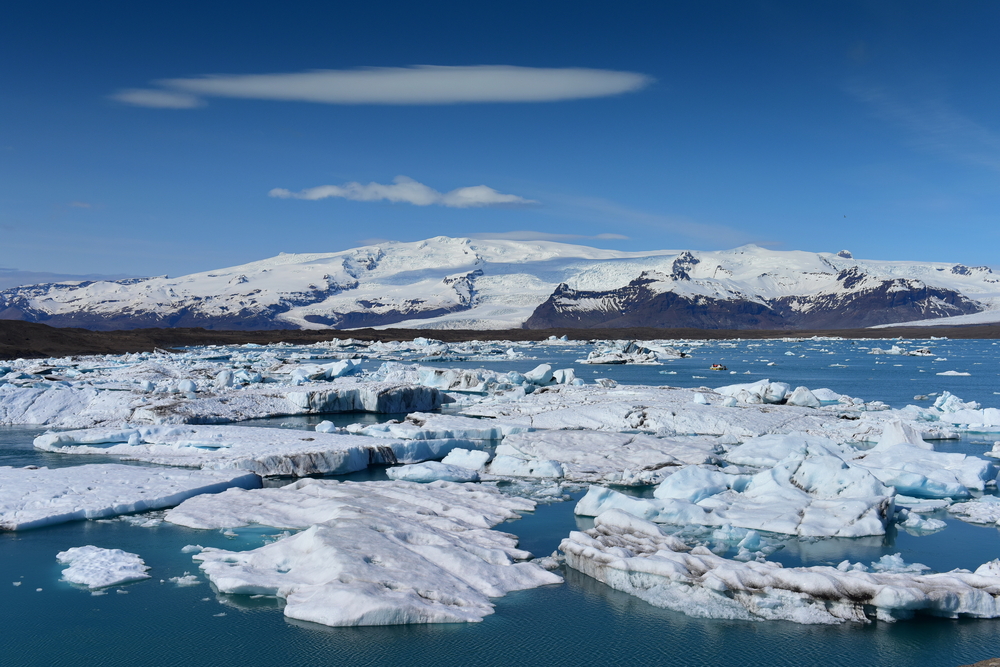
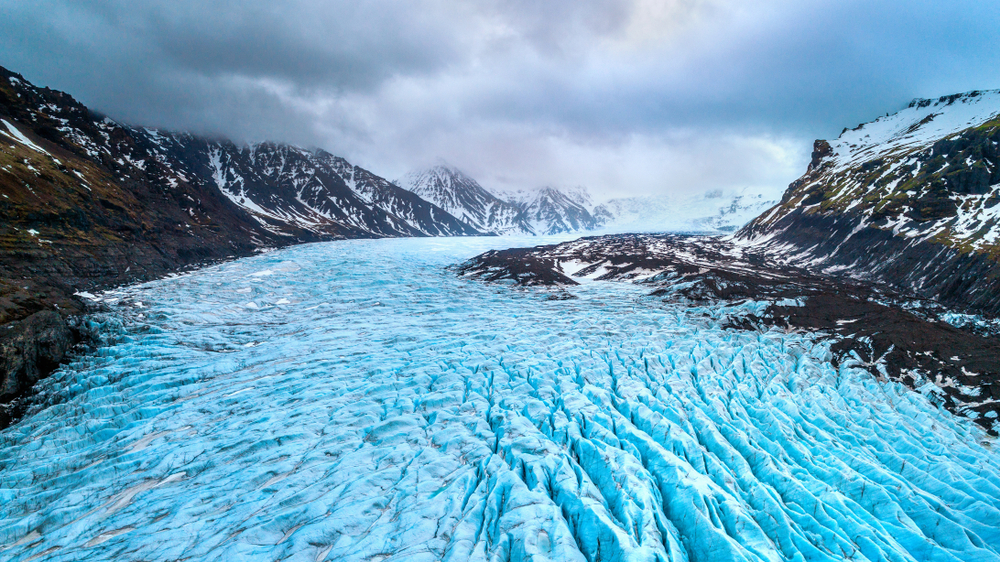
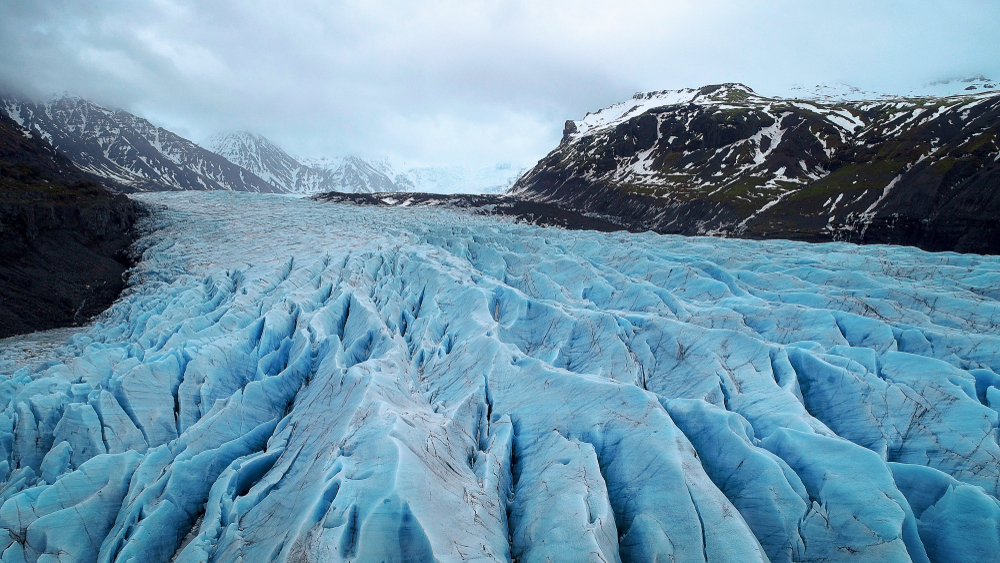
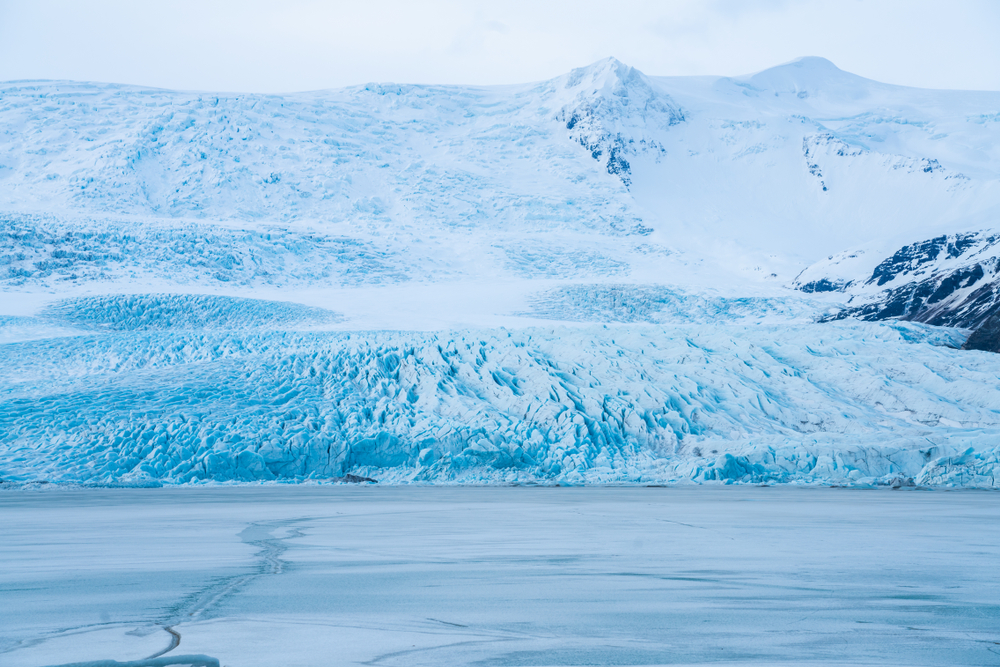
It is home to Vatnajokull, which outside of the Arctic, is the largest glacier in Europe covering an area of 3,127 square miles (8,100 sq km). Hvannadalshnukur is the highest mountain summit in Iceland with a height of 6,921 feet (2,109.6 m).
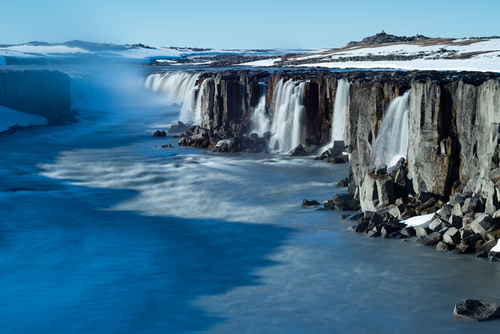
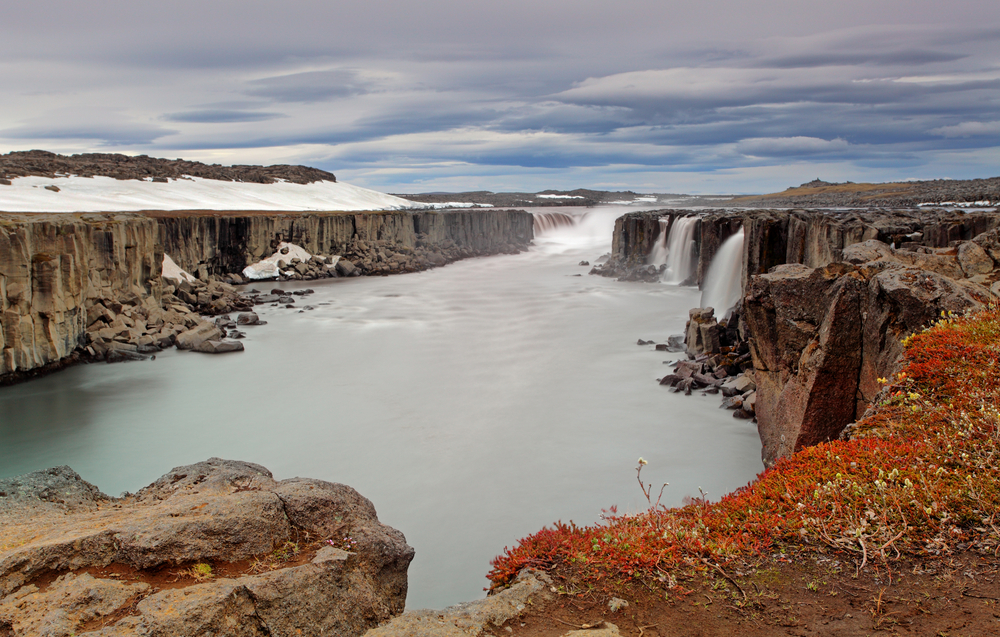
Vatnajokull National park is a special place with landscapes that are hard to find rivals and provide visitors with unique experiences from geothermal features that interact with rivers, glaciers, mountains, and volcanic activity. Some of these features like the massive canyons and glacial rivers leave people more impressed than the ice cap itself.
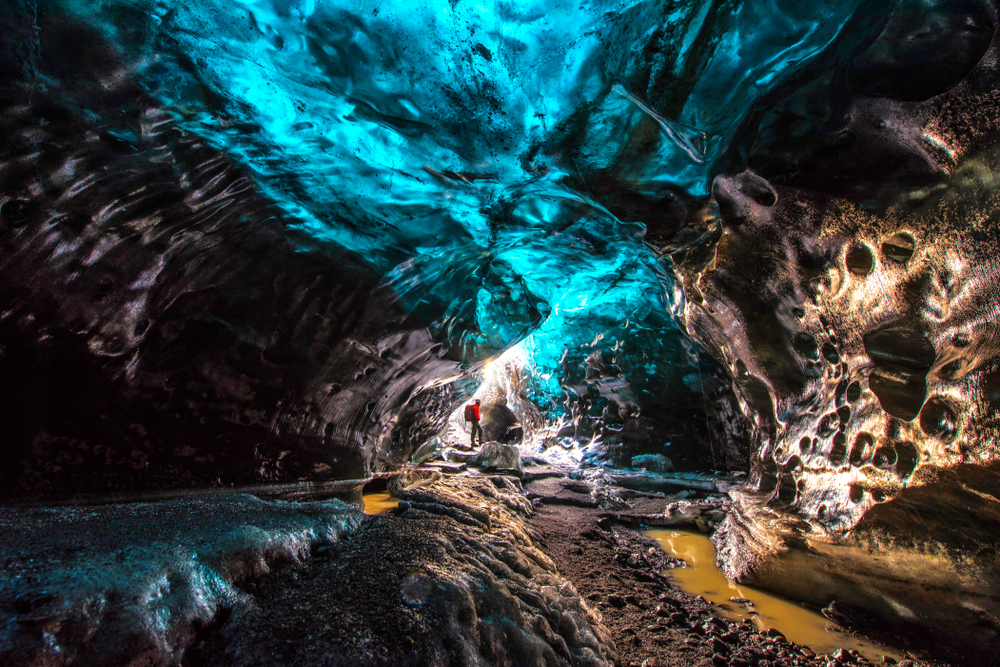
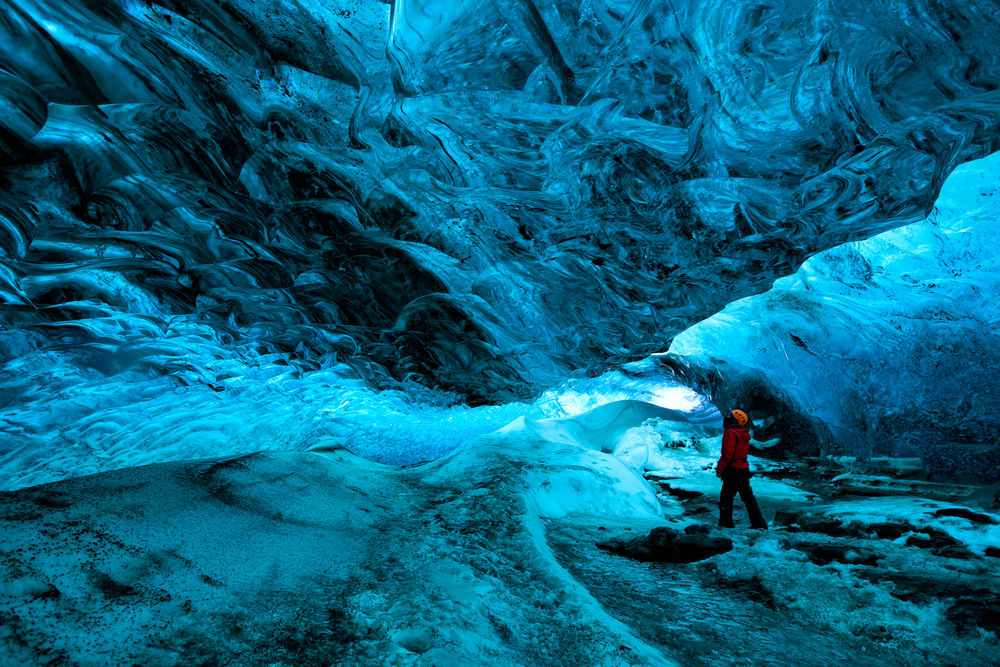
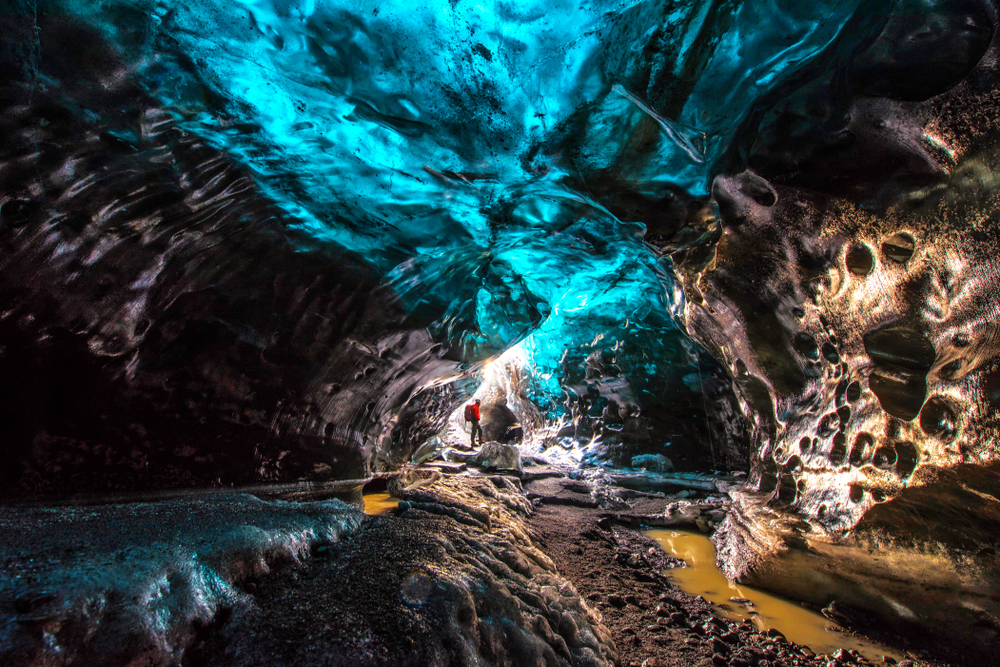
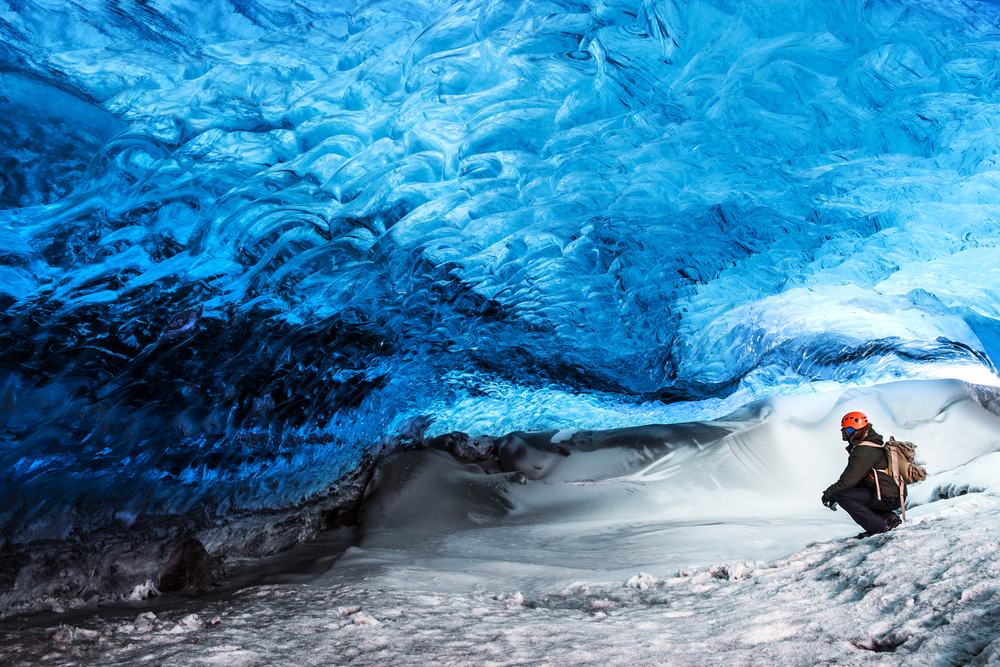
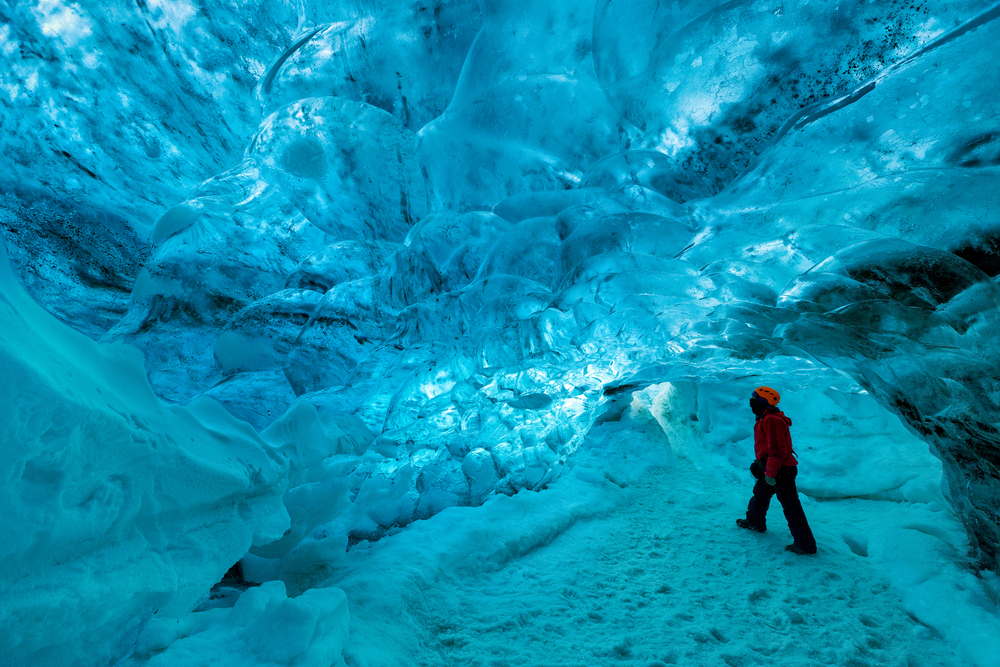
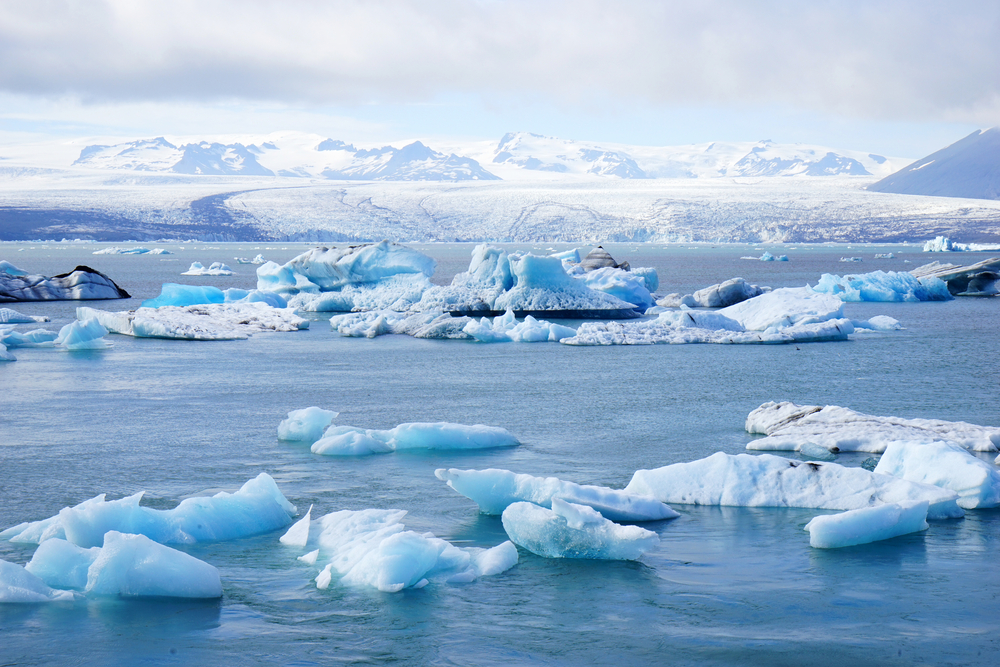
The majority of wildlife is arctic marine, however, collectively it is quite sparse. Seals are one of the most prevalent and you have a decent chance of seeing them. Seagulls and other birds are also soaring around. But again, Vatnajokull National Park is not known for wildlife, but rather tons of blue ice.
The park is divided into four regions: Norther Territory, Eastern Territory, Southern Territory, and Western Territory with each having its own unique facets of nature to experience.
- Northern Territory: features the Jokulsarljufur canyon, Askja caldera, and the north-wester part of the Vatnajokull glacier.
- Eastern Territory: features the Kverkfjoll mountains and the north-eastern part of the Vatnajökull glacier.
- Southern Territory: features the wilderness area of Lonsoraefi, Lomagnupur mountain, and the south-eastern part of the Vatnjökull glacier.
- Western Territory: features the Lakagigar craters and the south-western part of Vatnajökull.
Photos
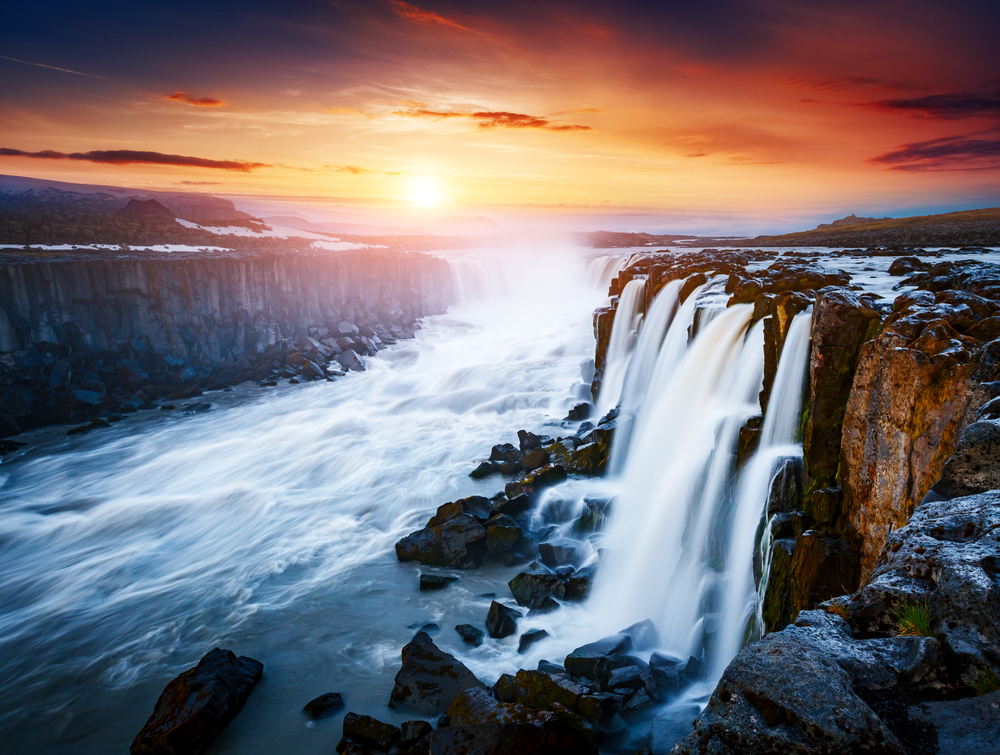
Things to See
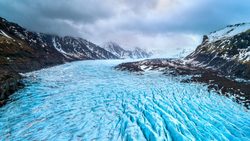 Vatnajökull Glacier
Vatnajokull National Park Trails
Hiking around Vatnajokull National Park is like exploring the arctic regions of northern Canada or northern Russia. It is cold, ice-covered, and snowmelt terrain. However, the views and experience are astounding and worth every bit of effort to reach this remote part of the world.

Sources
- Britannica, Deti Falls, https://www.britannica.com/place/Detti-Falls, retrieved June 2020.
- Britannica, Vatnajokull, https://www.britannica.com/place/Vatnajokull, retrieved August 2019.
- Iceland Travel, Vatnajokull National Park, https://www.icelandtravel.is/attractions/vatnajokull-national-park/, retrieved August 2019.
- Lonely Plante, Vatnajokull National Park, https://www.lonelyplanet.com/iceland/attractions/vatnajokull-national-park/a/poi-sig/1591191/359559, retrieved August 2019.
- Physical Geography, Welcome to Vatnajokull National Park, https://sites.google.com/a/miamioh.edu/geo121s17/home/vatnajoekull-np-iceland-14, retrieved June 2020.
- Travelade, Hiking in Skaftafell, Vatnajokull National Park, https://travelade.com/iceland/stories/hiking-skaftafell-national-park, retrieved June 2020.
- UNESCO, Vatnajokull National Park – Dynamic Nature of Fire and Ice, https://whc.unesco.org/en/list/1604/, retrieved August 2019.
- Vagnajokulspjodgardur National Park, Official Site, https://www.vatnajokulsthjodgardur.is/en, retrieved July 2019
- Visit Vatnajokull, Joy of Discovering the Glacier, https://visitvatnajokull.is/, retrieved August 2019.