


About

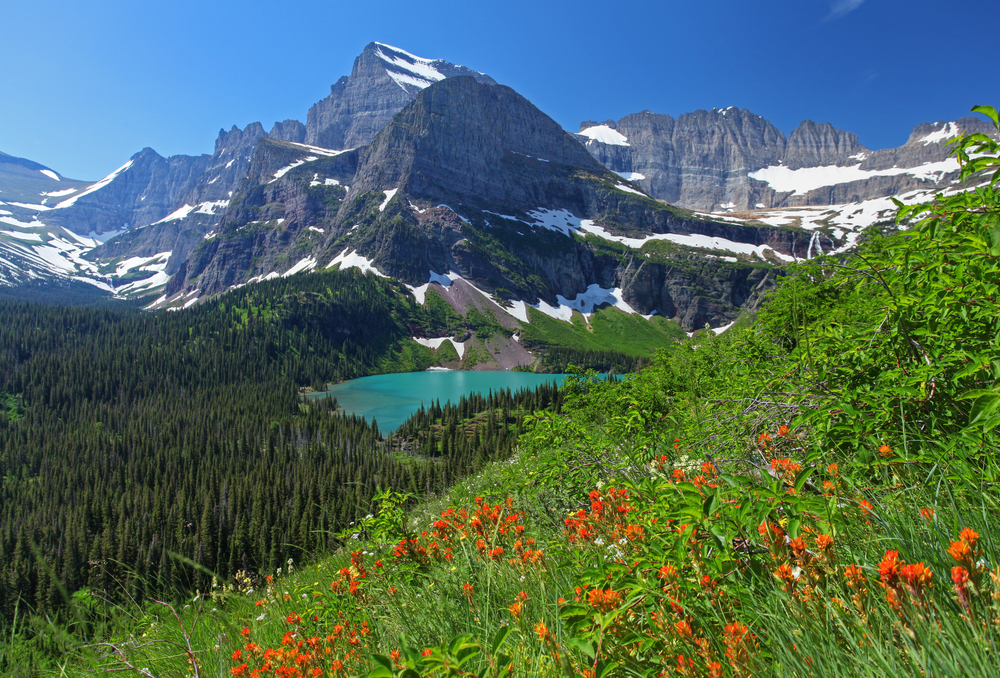
Glacier National Park is located in northern Montana, United States along the border of Canada and the United States. The park covers an area of 1,583.3 square miles (4,100.77 sq km).
The park borders Canada and the neighboring Waterton Lakes National Park. The two parks together are recognized as Biosphere Reserves by UNESCO. Glacier in Montana has nothing to do with the Glacier National Park in Canada.
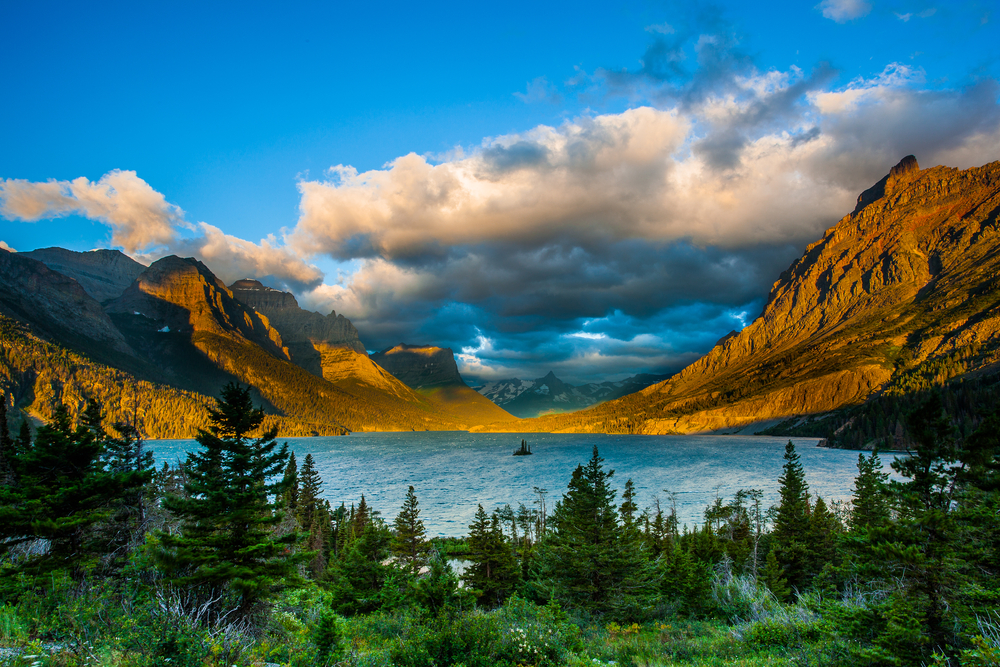
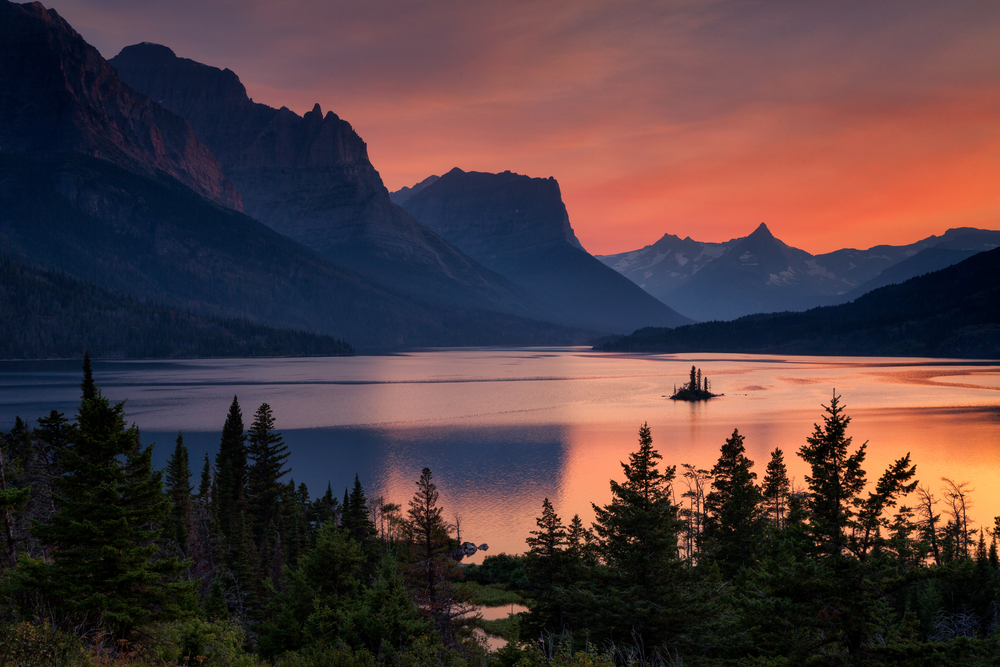
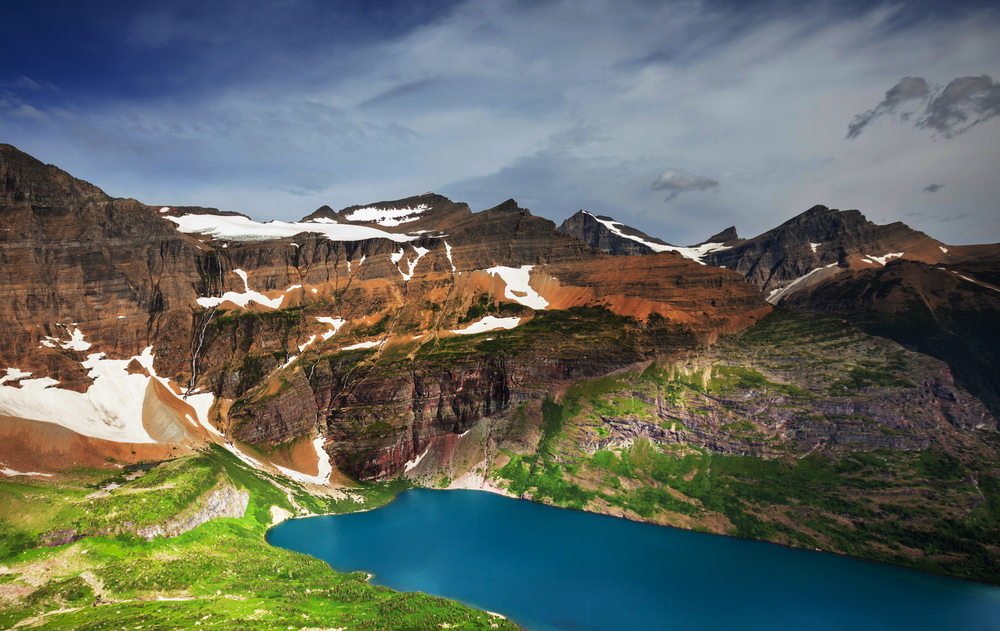
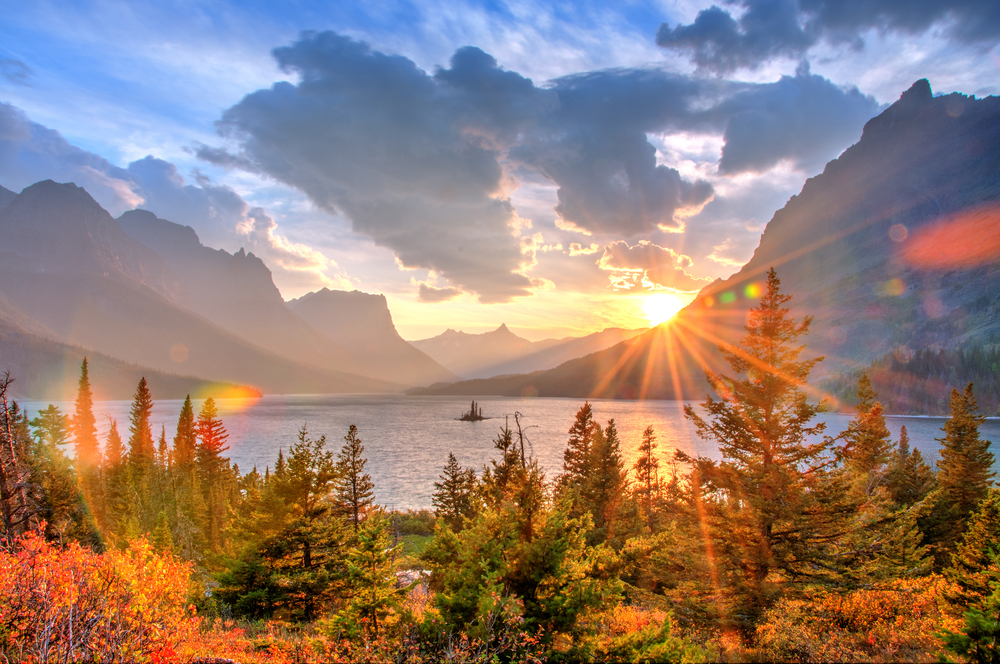
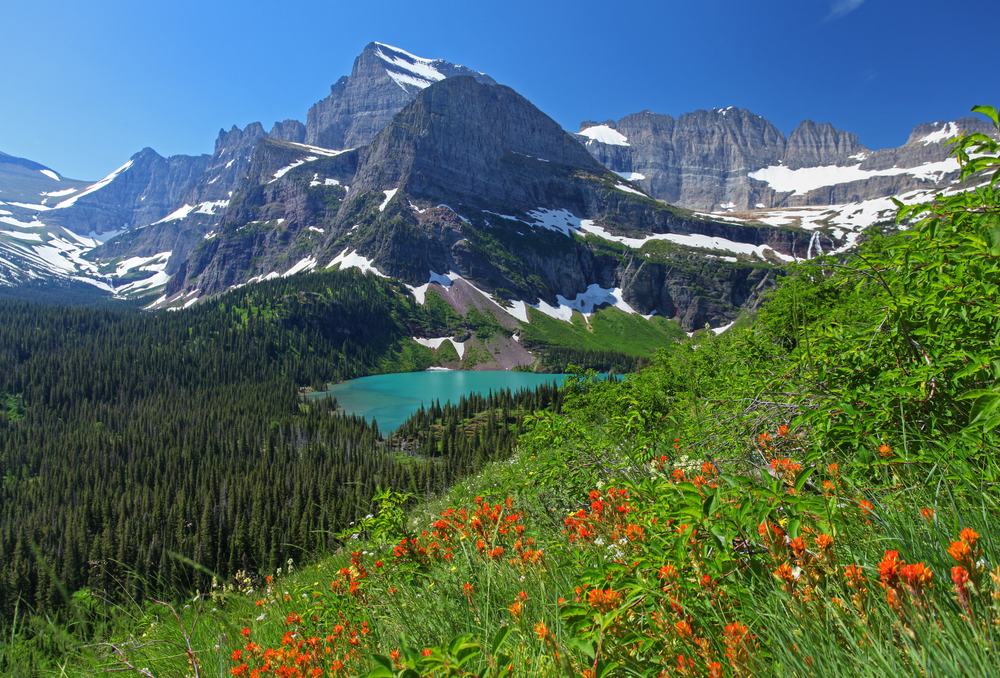
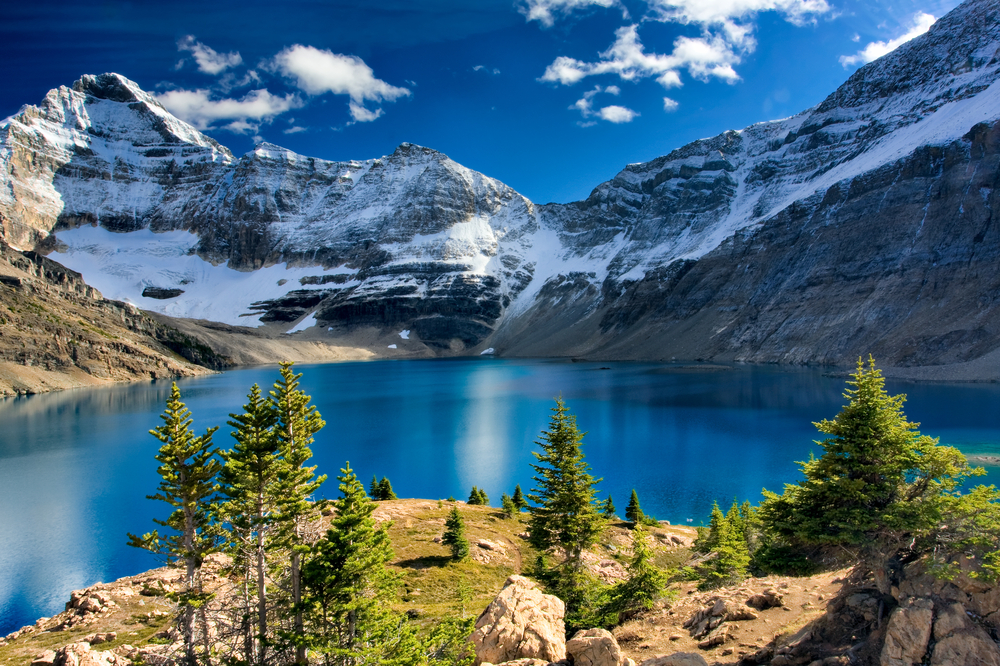
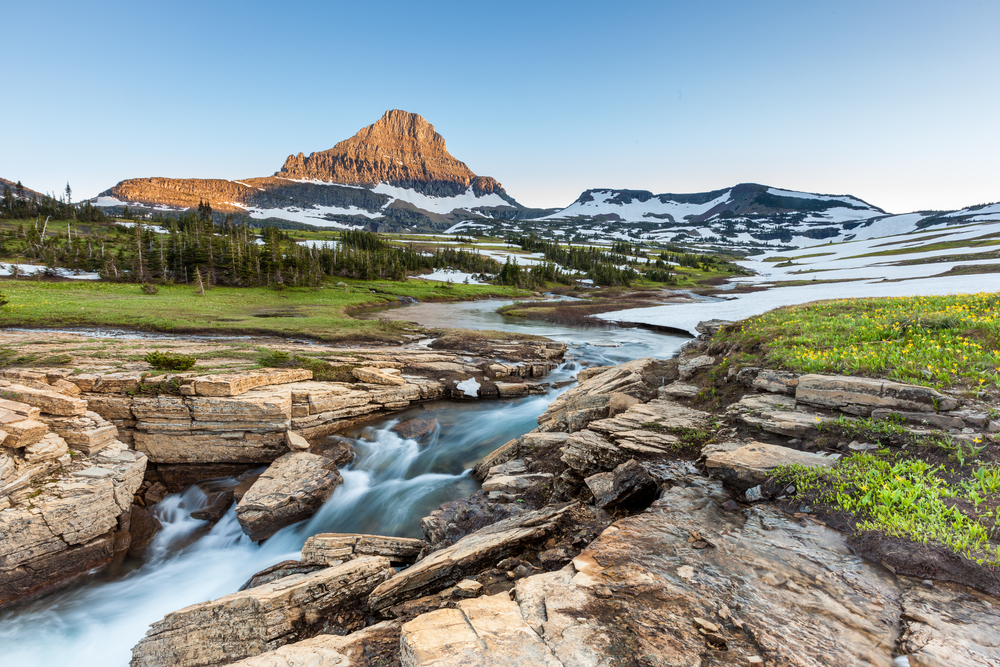
Glacier is renowned for the expansive wilderness that features over 130 named lakes with a total of 700 scattered across the park. Twelve of the lakes are larger and considered more significant, and Lake McDonald is the largest.
It is not only lakes that are prevalent, there are around 200 waterfalls dispersed throughout the park. McDonald Falls and Swift Current Falls are the two largest. Bird Woman Falls is the tallest with a plunge of 492 feet (150 m).
Mount Cleveland is the tallest mountain in the park with a summit at 10,466 feet (3,190 m). There are five other mountains that exceed the 10,000-foot (3,048 m) mark.
Although not officially recognized as “Wilderness Area,” the NPS serves and supports 93% of the park boundaries as if it had that designation.
Glaciers used to fill the areas between the mountains and have carved across the park creating many of the U-shaped valleys. For all practical purposes, the glaciers are a thing of the past. Only 25 glaciers remain with at least 0.26 square miles (0.10 sq km) of the area. Scientists believe that the remaining glaciers will completely melt away by the year 2030.
Spruce and fir make up the forest in the west-northwest region of the park, red cedar and hemlock make up the forest in the southwest, and the Continental Divide region is intertwined with mixed pine, spruce, and fir. Each of the habitats serves abundant wildlife.
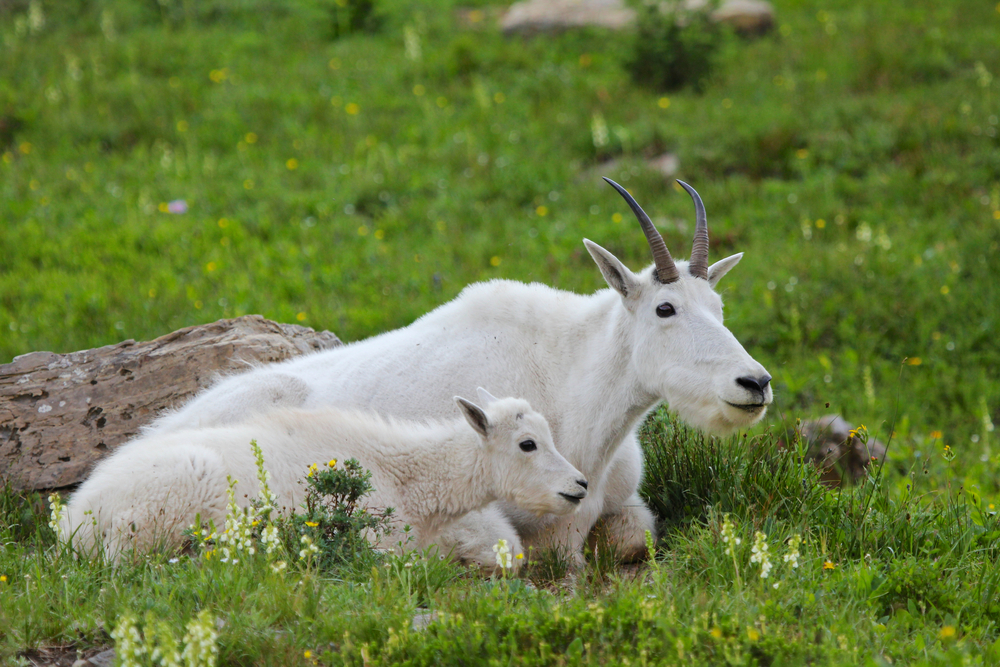
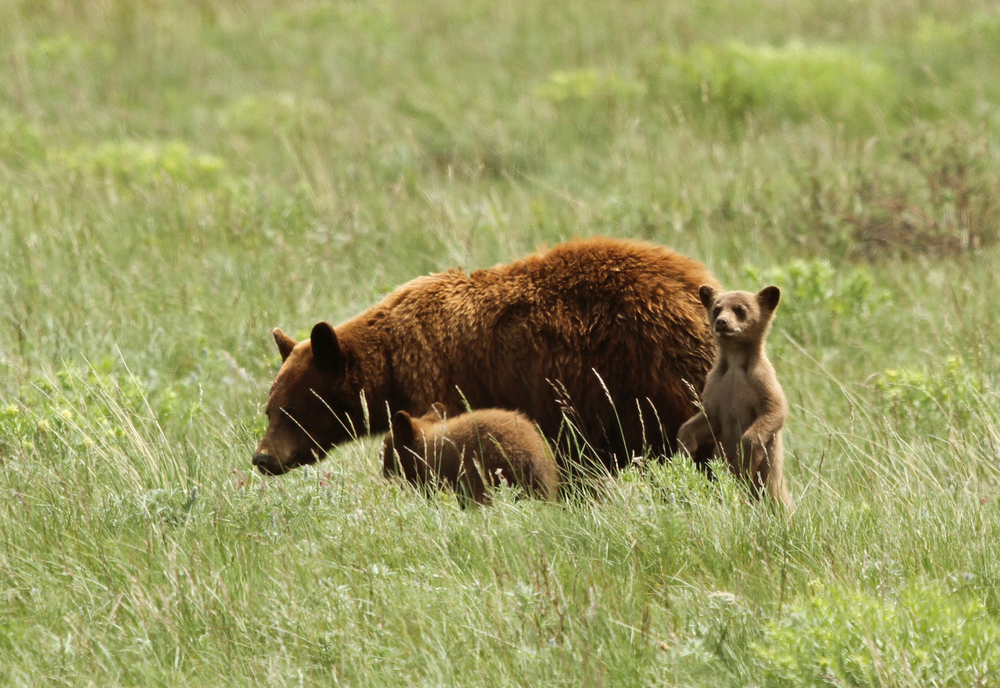
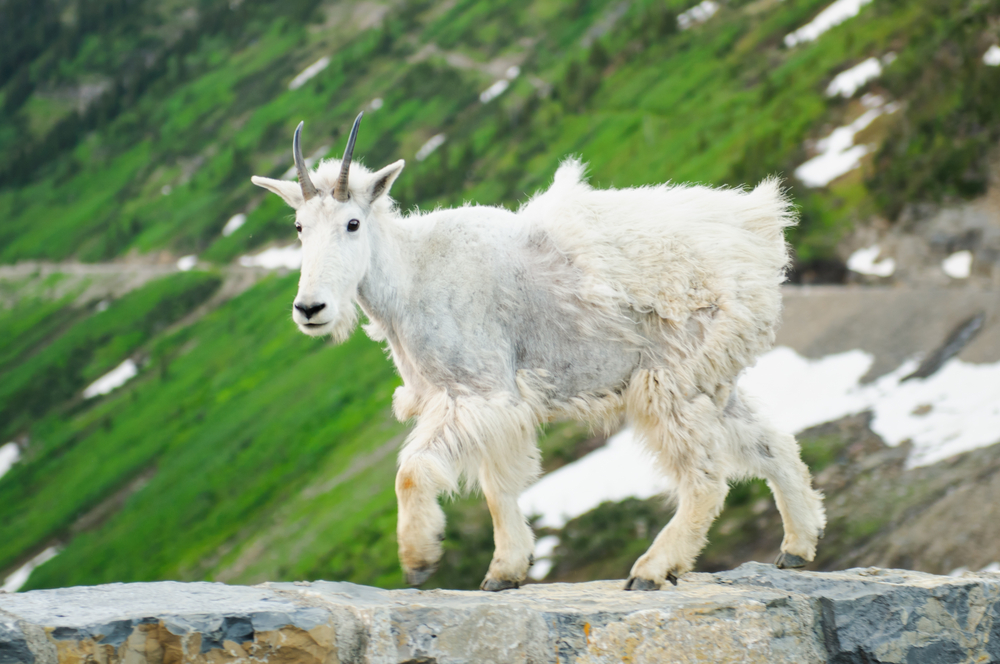
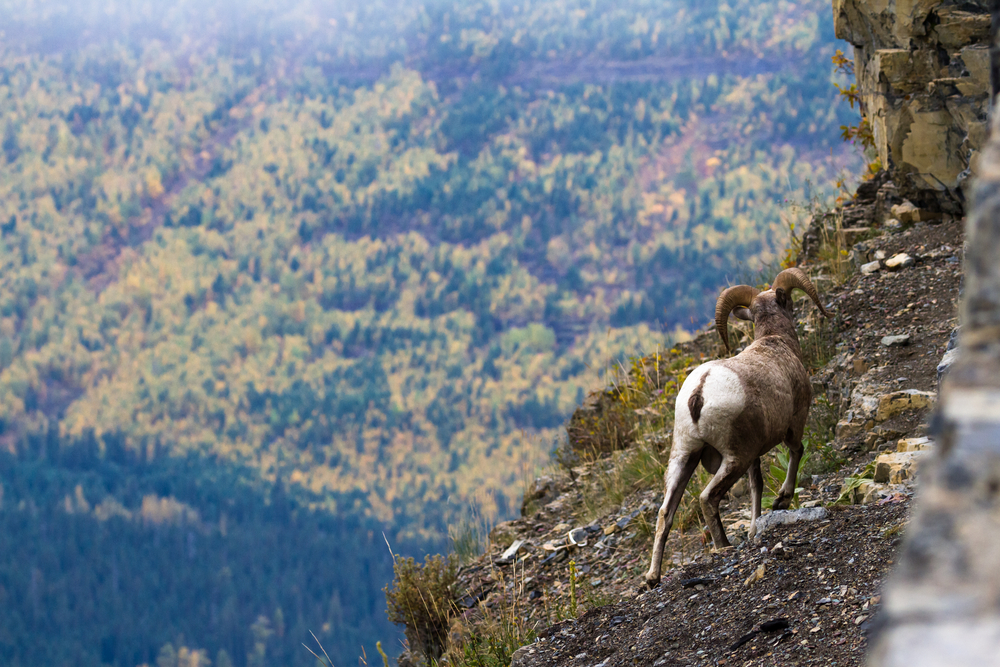
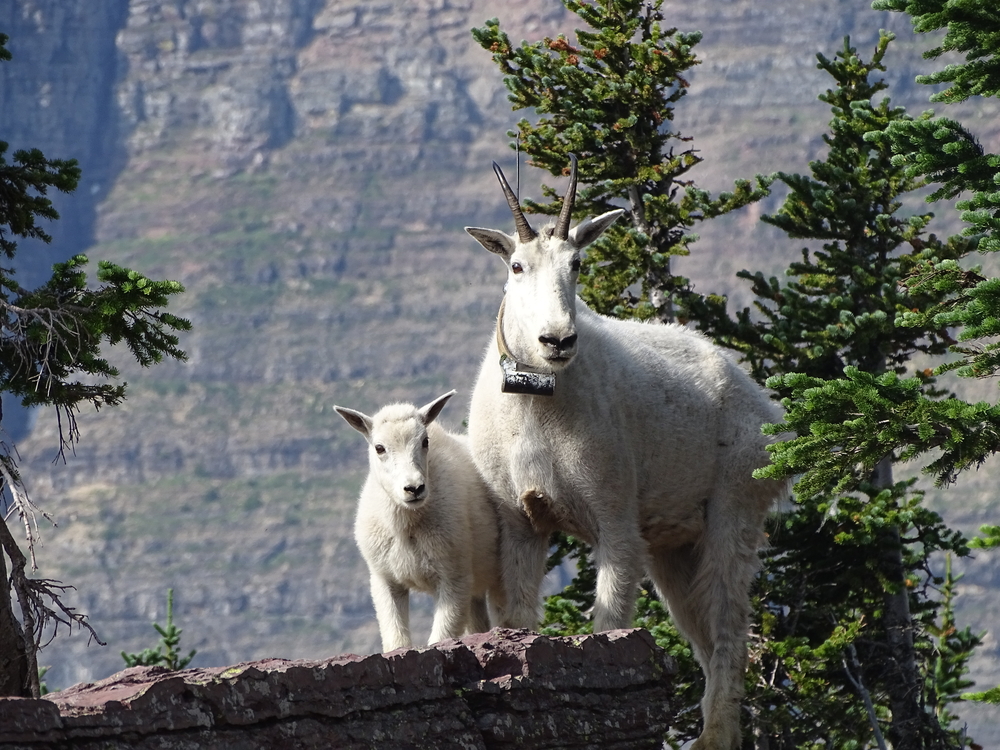
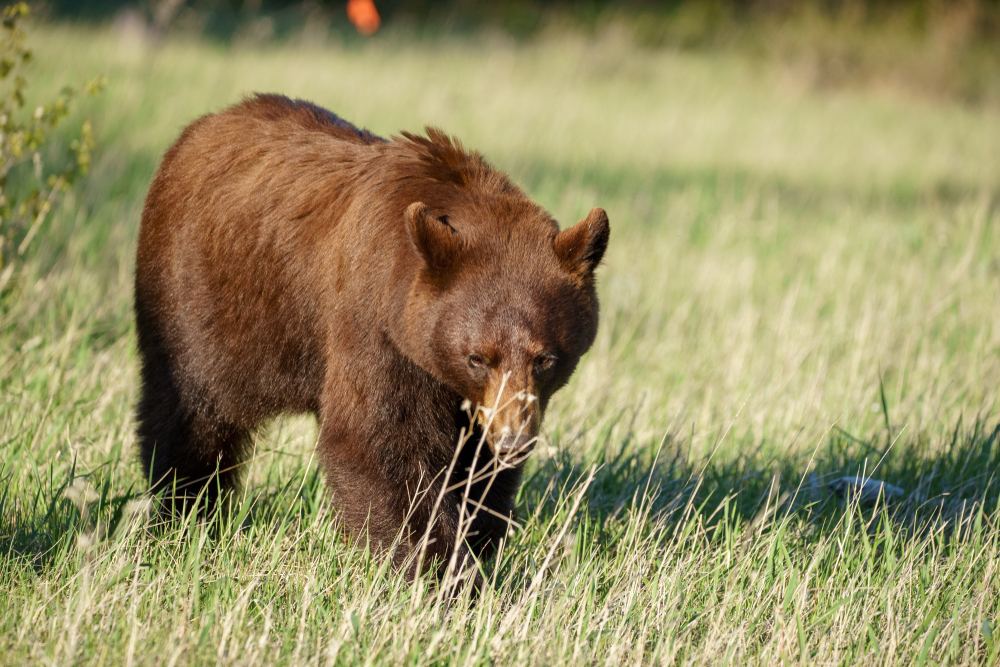
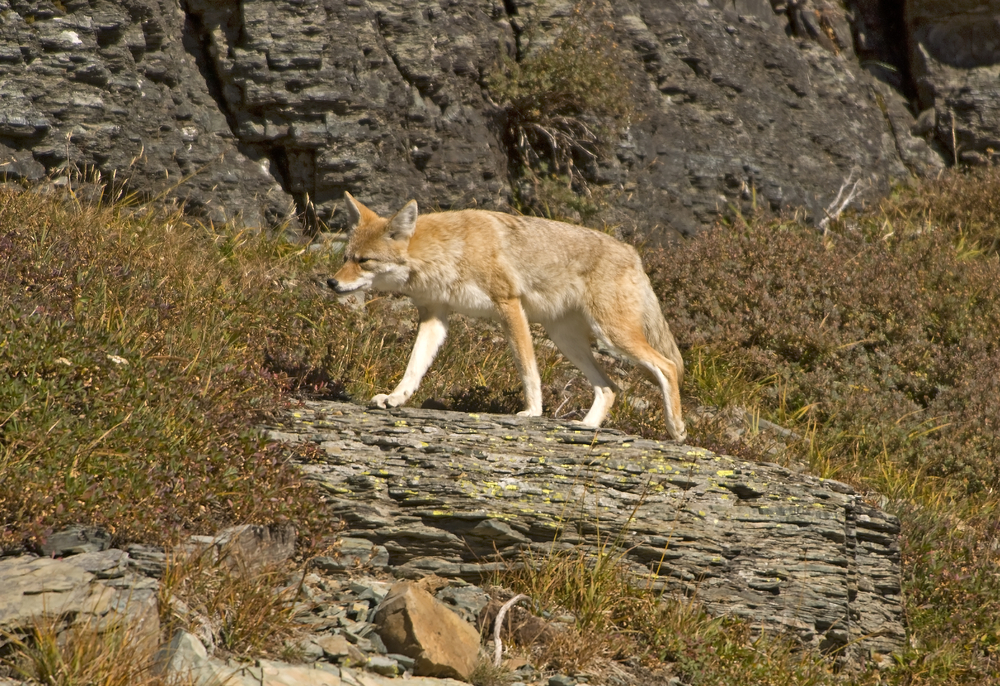
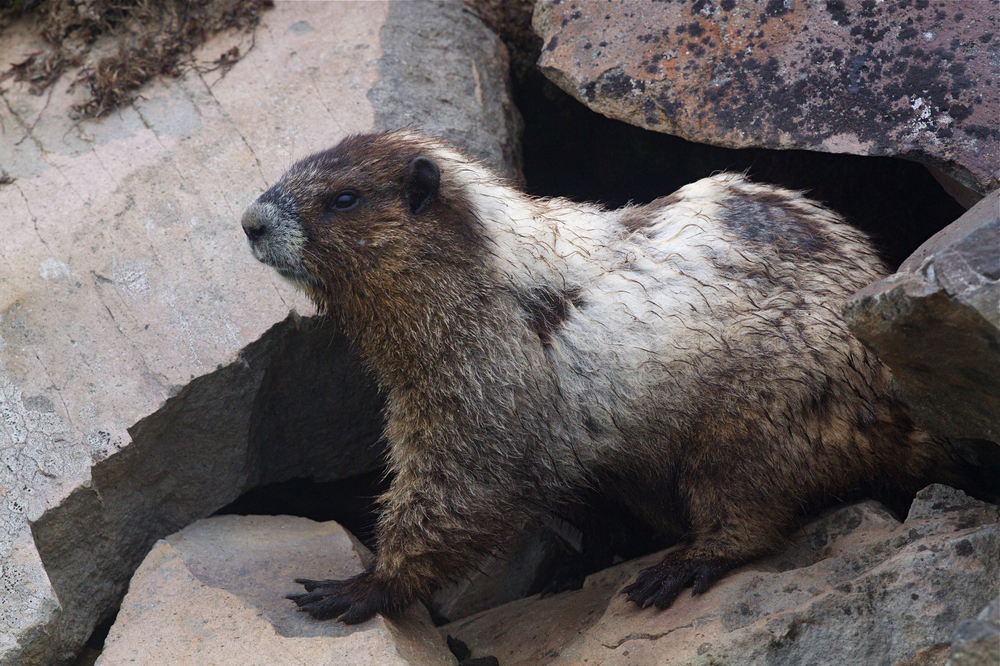
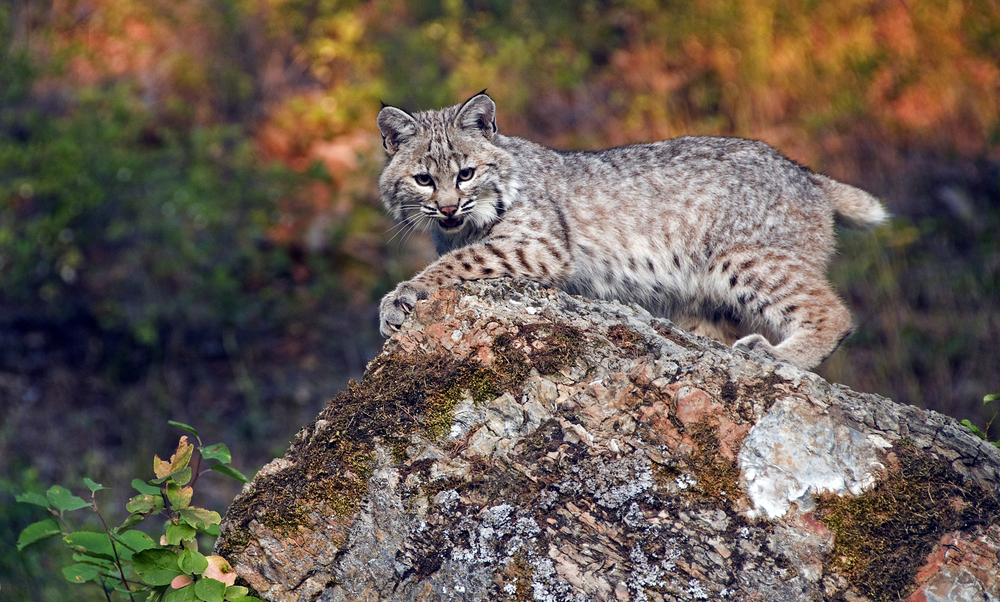
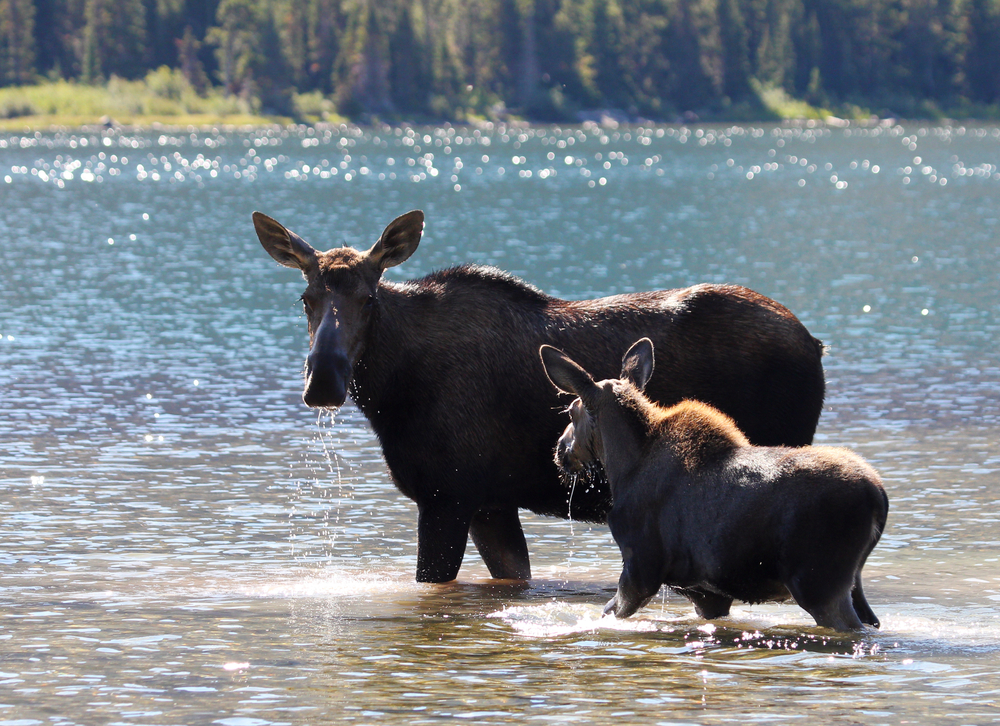
Black bears and grizzly bears are two of the most exciting wildlife sightings. Some of the predator species include bobcat, cougar, coyote, lynx, and timber wolf. Some of the other popular species include bighorn sheep, elk, moose, mountain goat, and mule deer. Altogether, there are 62 species of mammals within the park boundaries.
The bald eagle, golden eagle, and the peregrine falcon often top the list of hopeful sightings among birdwatchers. There are 260 species of birds that nest or migrate through the park.
Photos






Things to See
Glacier National Park Trails
There are over 700 miles (1,127 km) of recognized trails scattered throughout the park. The Continental Divide National Scenic Trail cuts across Glacier and accounts for 110 miles (177 km) of that.

Sources
- All Trails, Best Trails in Glacier National Park, https://www.alltrails.com/parks/us/montana/glacier-national-park, retrieved June 2020.
- Britannica, Glacier National Park, https://www.britannica.com/place/Glacier-National-Park-Montana, retrieved June 2020.
- National Geographic, Complete National Parks of the United States, National Geographic Publishing, Washington DC
- National Geographic, Guide to the National Parks of the United States, National Geographic Society, 2003.
- National Geographic, National Parks of North America, Canada-United States-Mexico, National Geographic Society, 1995.
- National Park Service, Glacier, https://www.nps.gov/glac/index.htm, retrieved June 2020.
- Visit Montana, Glacier National Park, https://www.visitmt.com/glacier.html, retrieved June 2020.
- Visit Montana, Lake McDonald, https://www.visitmt.com/listings/general/lake/lake-mcdonald.html, retrieved June 2020.