

About
Capitol Reef National Park is located in south-central Utah near the town of Torrey. Established as a national park in 1971, it covers approximately 378 square miles (979 sq km) and protects one of the most fascinating geological landscapes in the American Southwest.
The park is centered around the Waterpocket Fold, a nearly 100-mile-long (160 km) wrinkle in the Earth’s crust that is one of North America’s most significant geologic monoclines. Capitol Reef lies between Canyonlands National Park and Bryce Canyon National Park and forms part of Utah’s famous collection of spectacular red rock parks known as the Mighty Five.
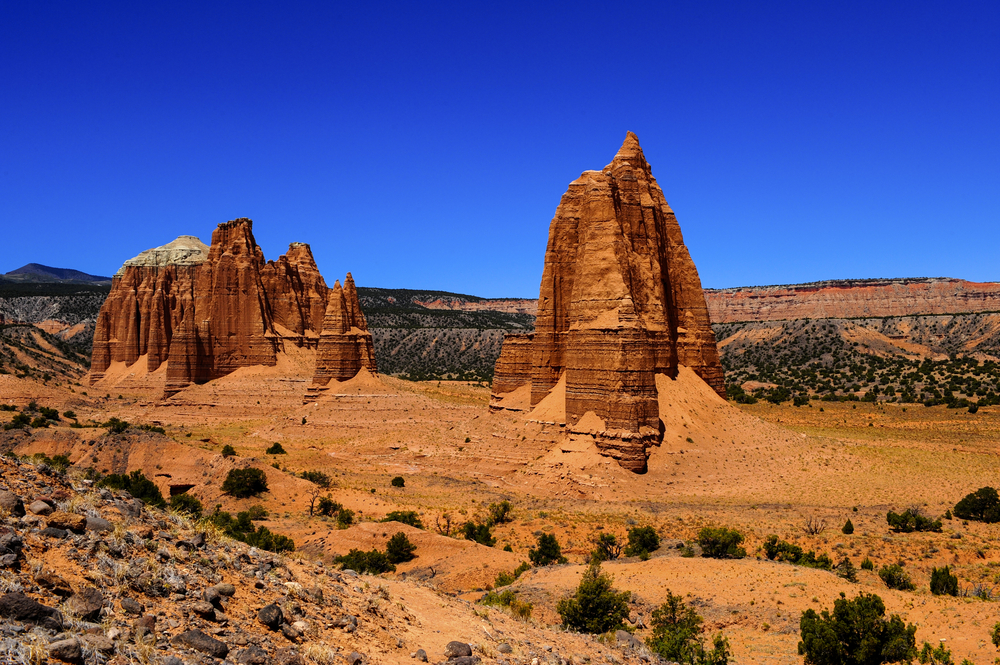
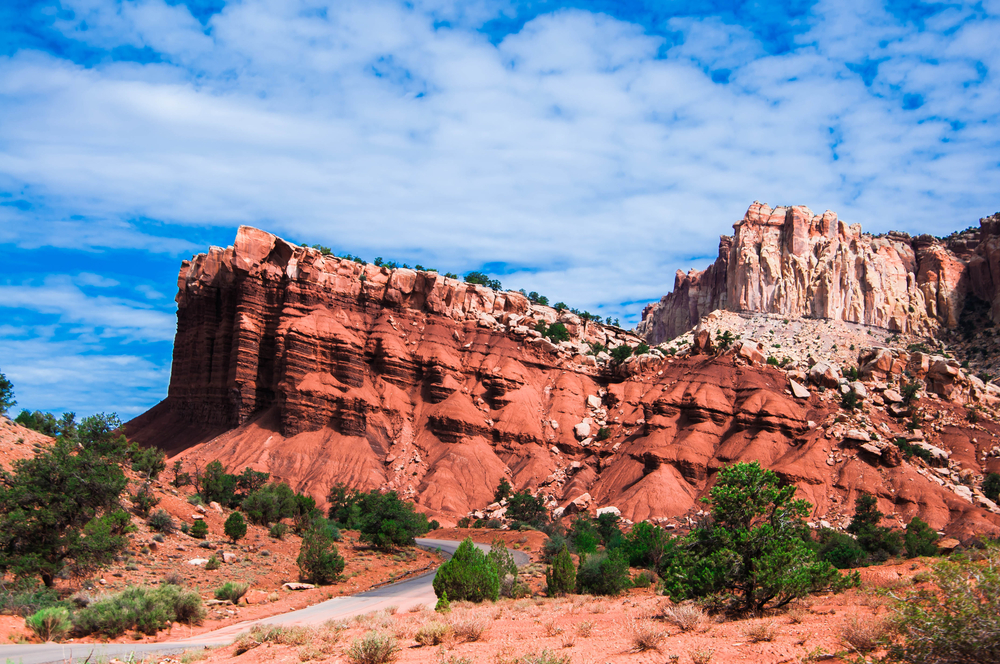
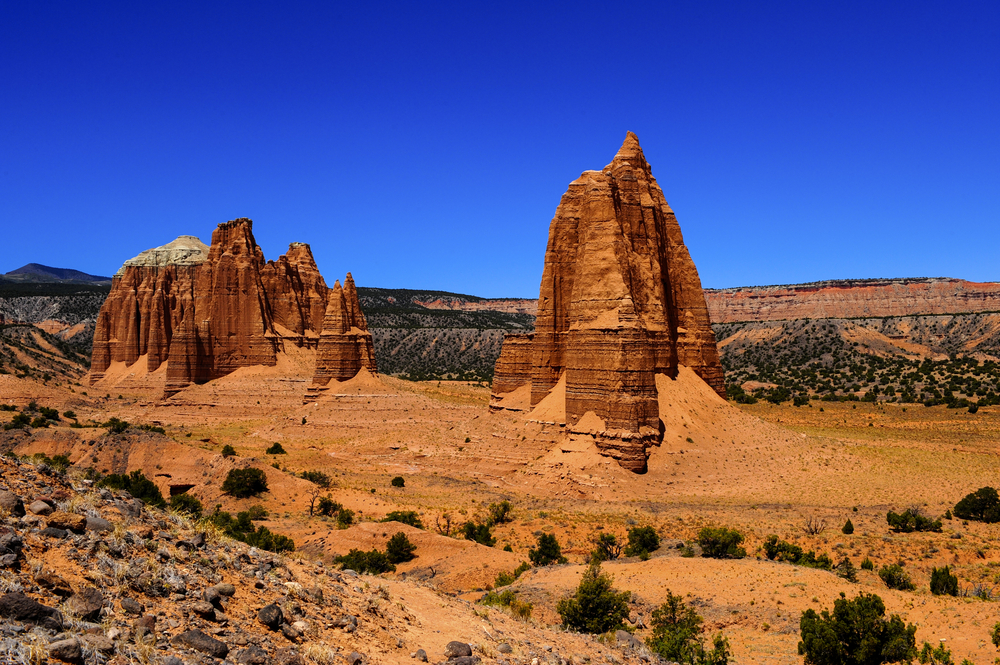
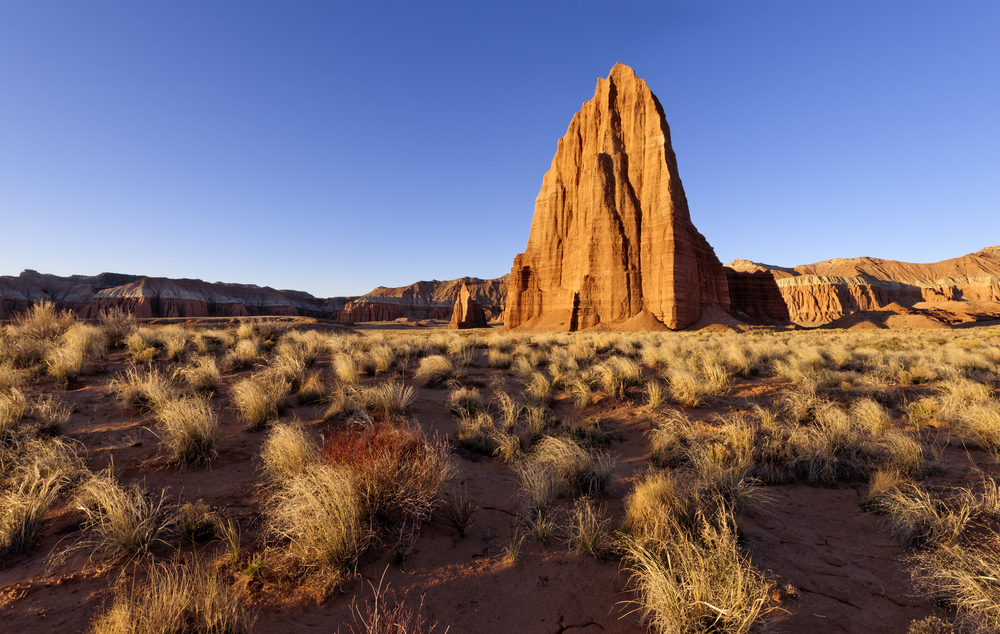
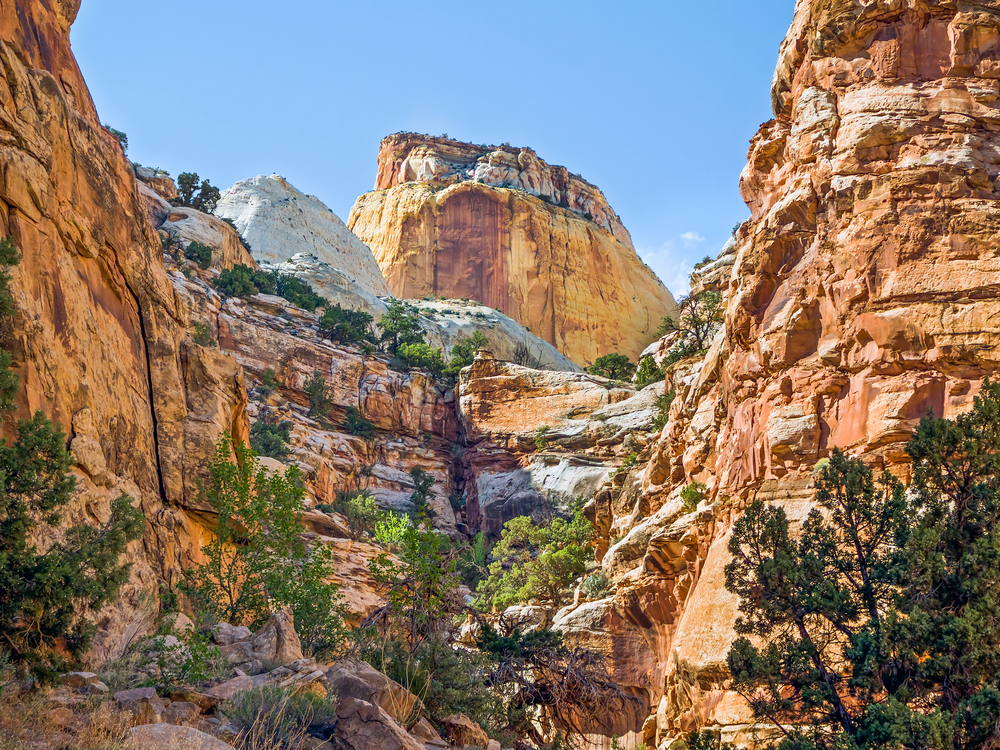
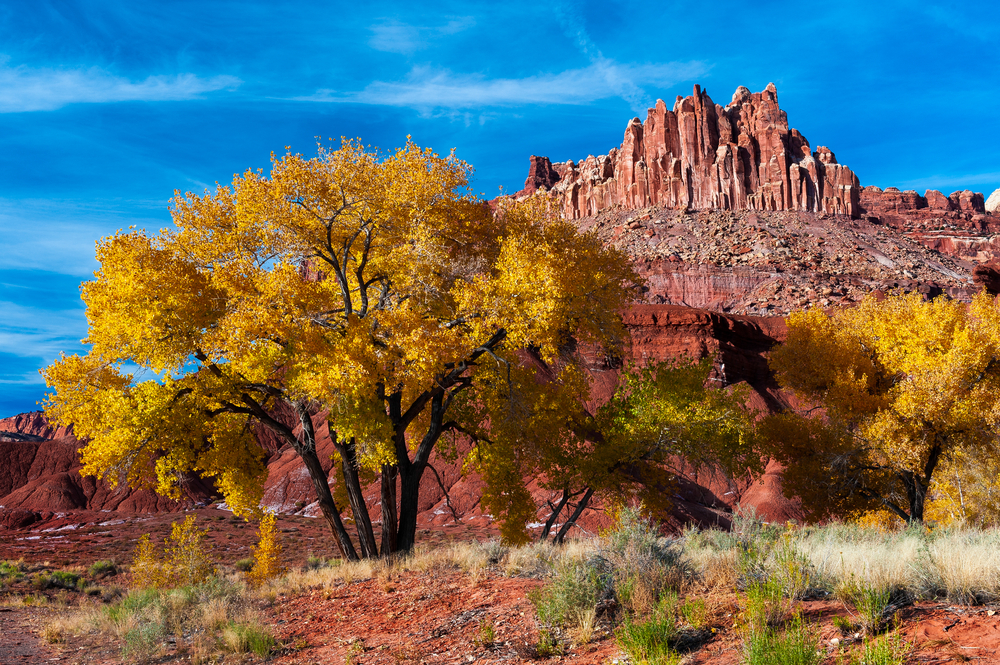
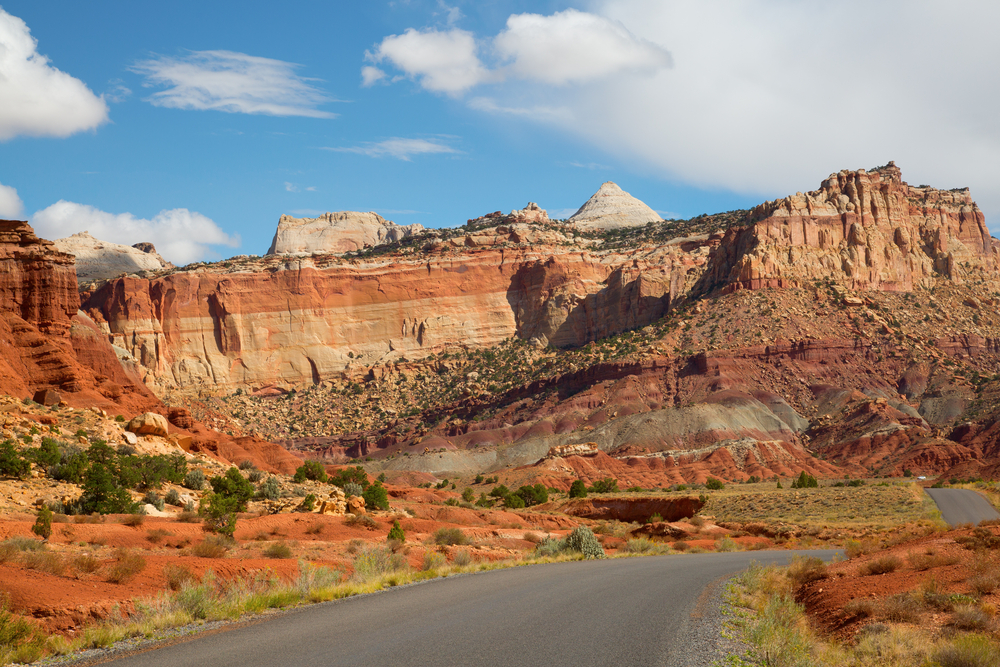
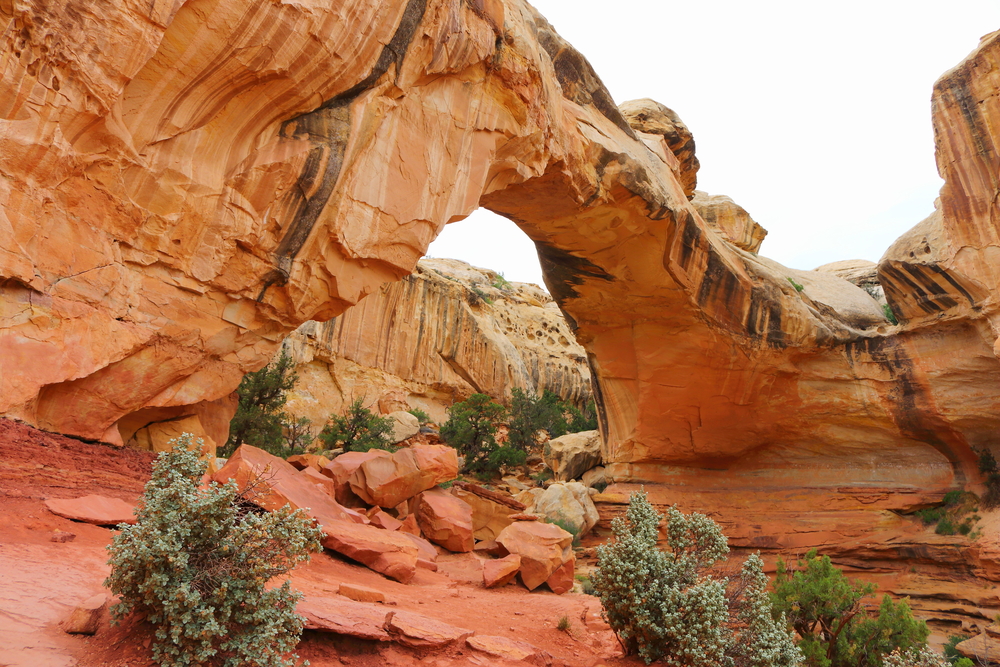
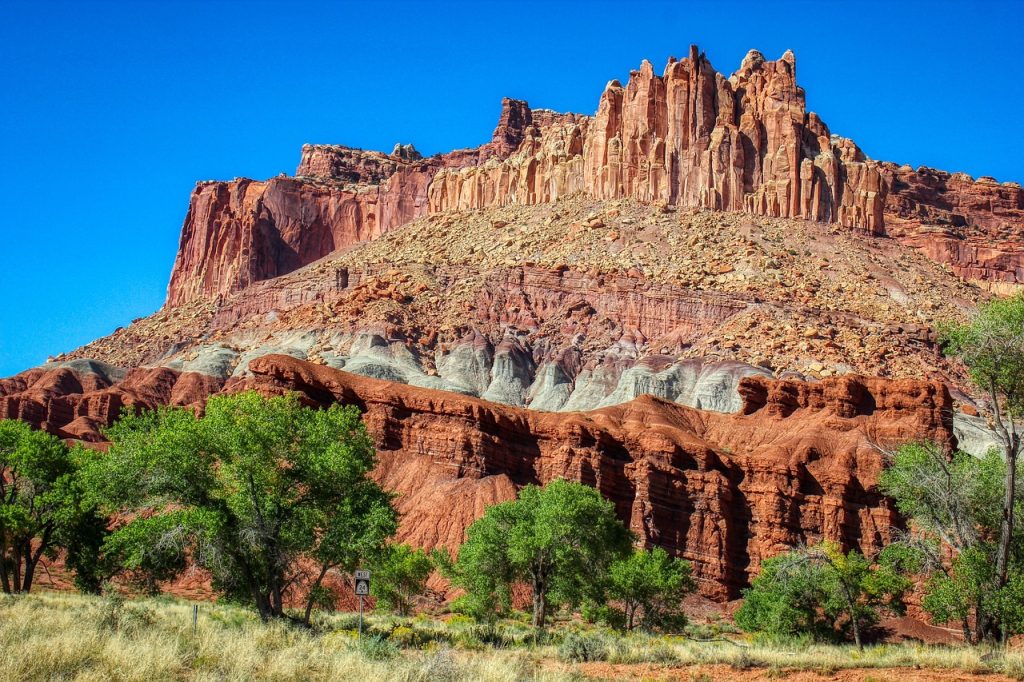
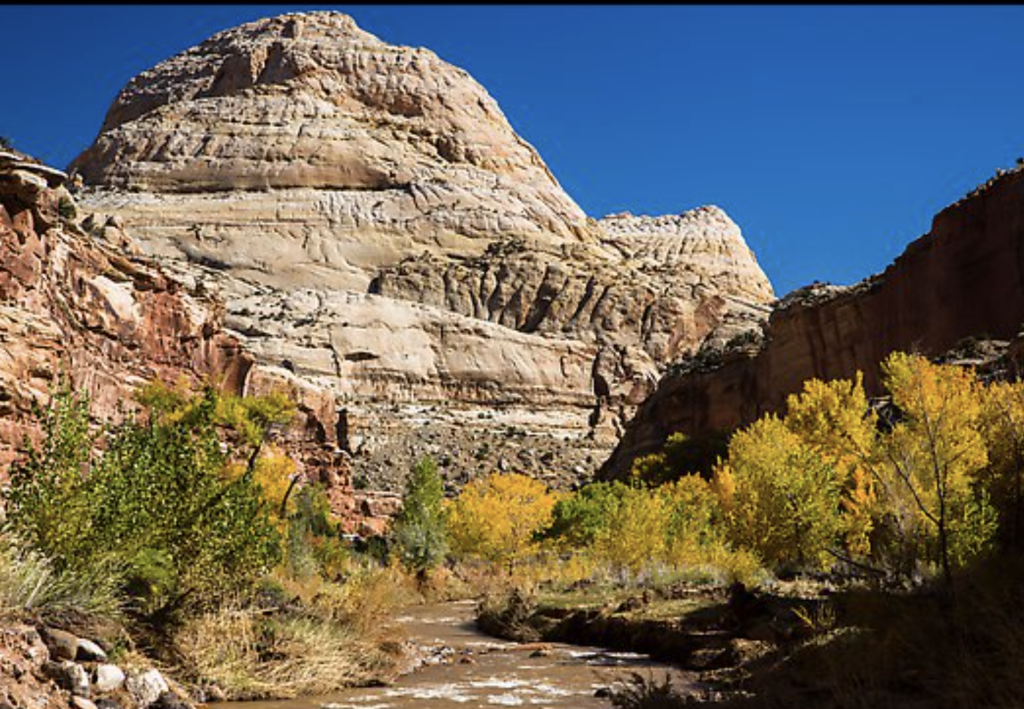
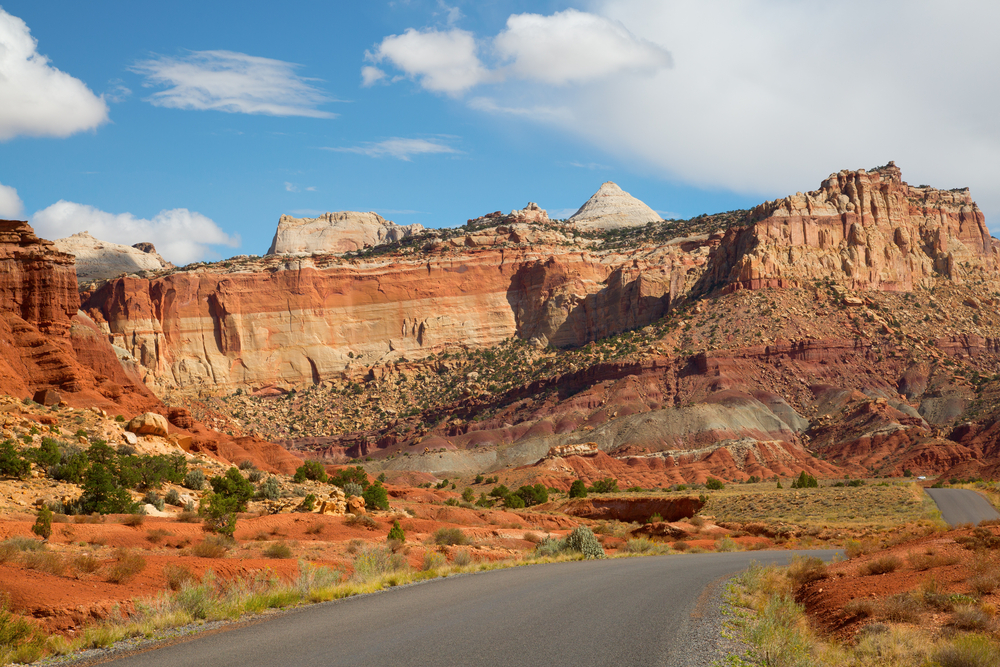
The park is best known for the Waterpocket Fold and its stunning collection of cliffs, domes, canyons, arches, bridges, and colorful rock formations. Early settlers named the area “Capitol Reef” because the white Navajo Sandstone domes resembled the dome of the United States Capitol, while the rugged cliffs formed barriers that were as difficult to cross as ocean reefs.
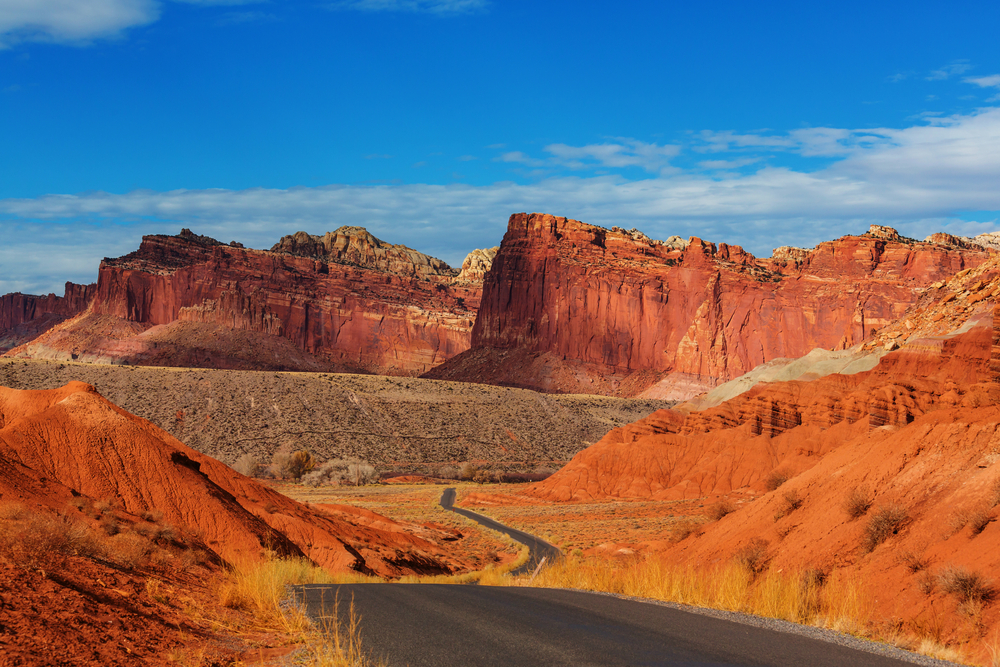
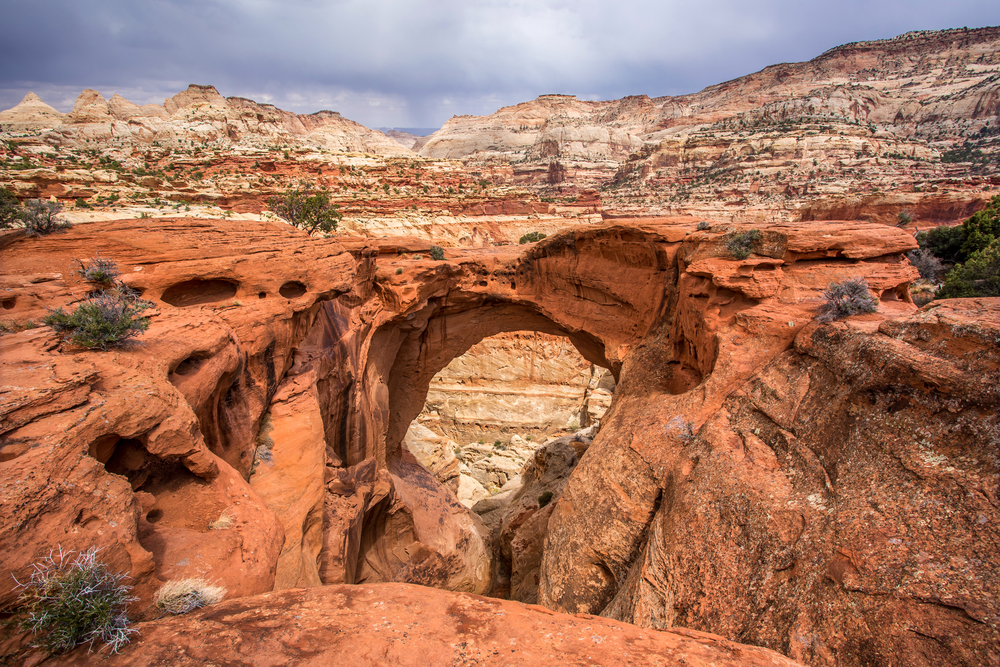
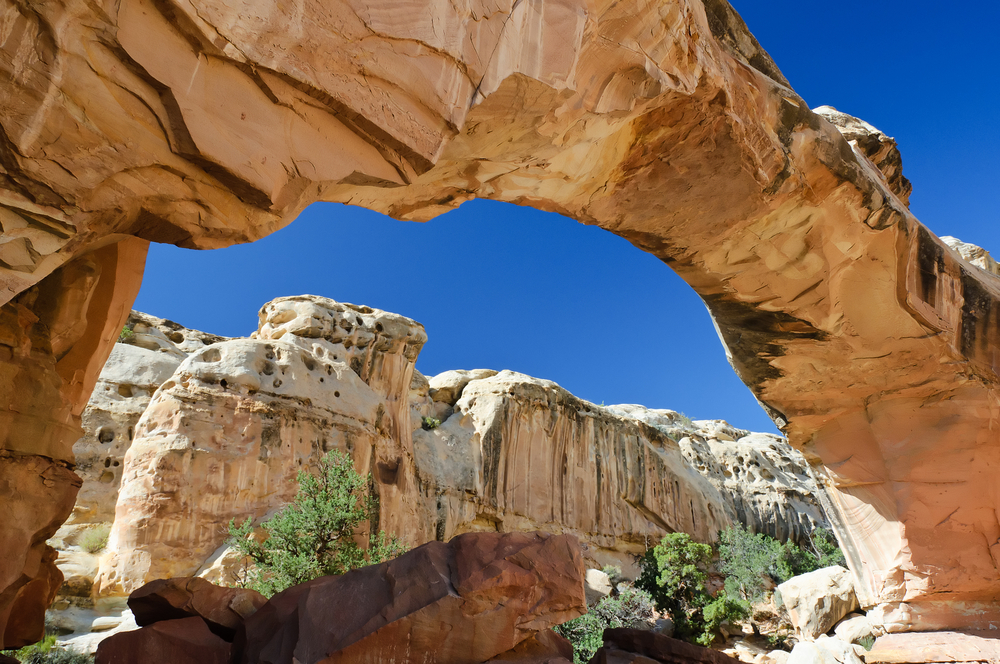
Visitors are drawn to landmarks such as Hickman Bridge, Cassidy Arch, Capitol Gorge, and the scenic Capitol Reef Scenic Drive. The historic Fruita District, established by Mormon pioneers in the late nineteenth century, remains one of the park’s most popular attractions, featuring orchards where visitors can still harvest fruit during designated seasons.
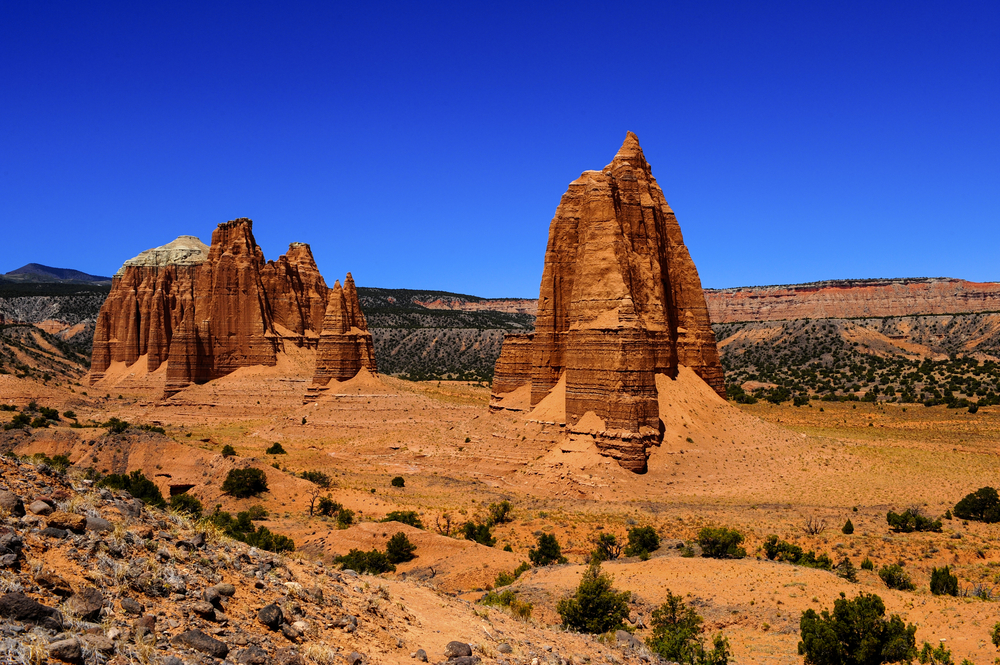
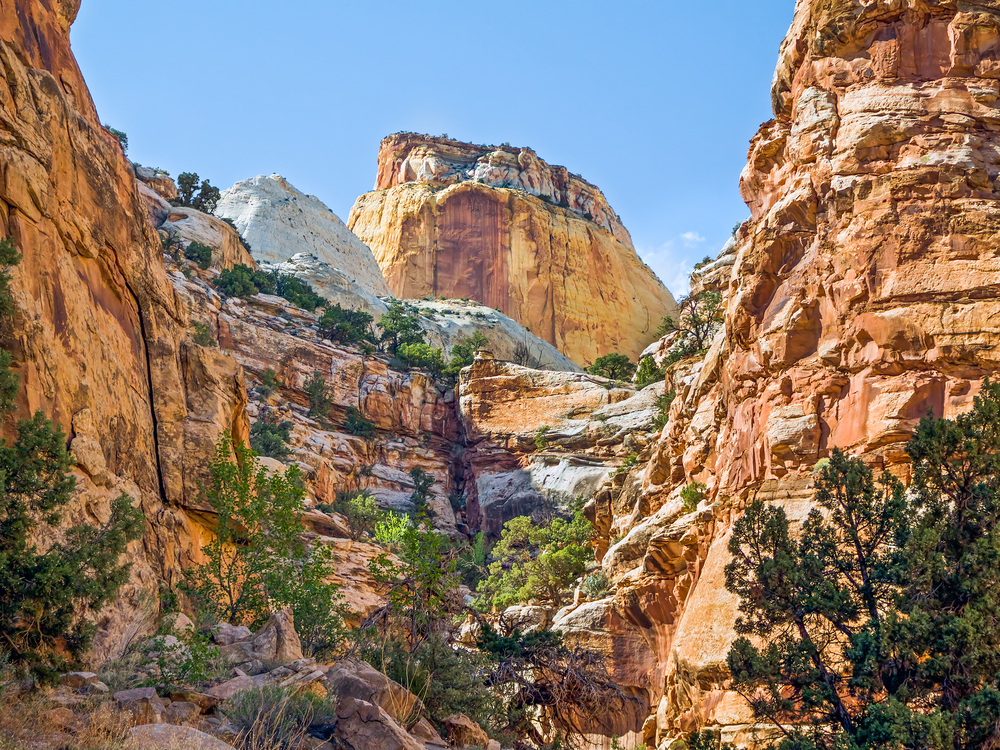
Geographically, Capitol Reef National Park showcases thousands of years of geological history. The Waterpocket Fold was created thousands of years ago by tectonic forces that uplifted and warped the Earth’s crust. Subsequent erosion exposed colorful layers of sandstone, shale, limestone, and conglomerate.
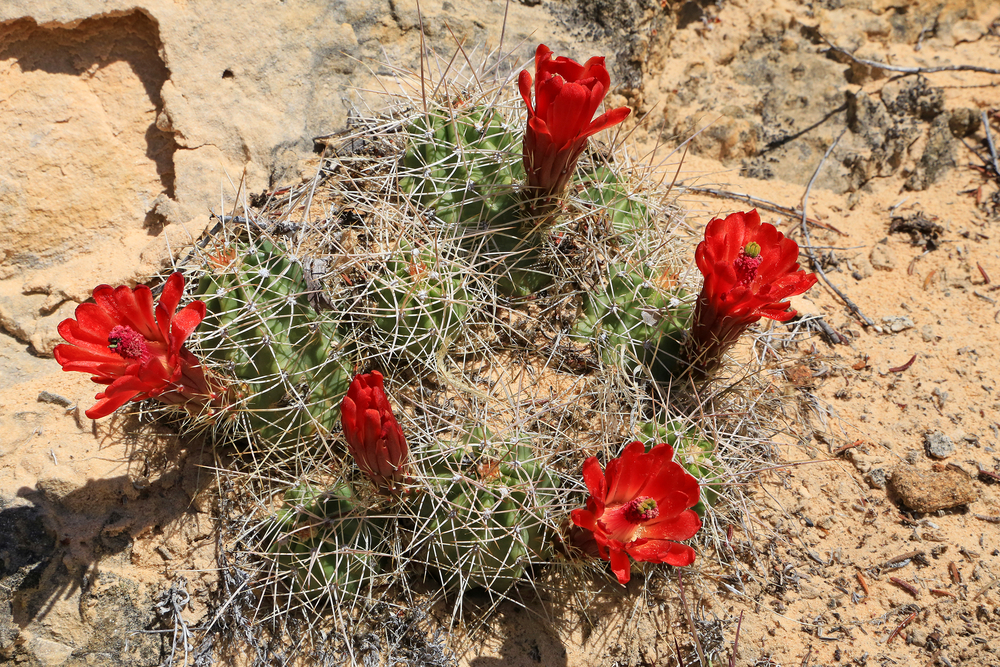
The resulting landscape includes towering cliffs, narrow slot canyons, expansive mesas, domes, and natural bridges. The park’s name also reflects the presence of numerous “waterpockets,” natural depressions in the rock that collect rainwater and provide essential resources for wildlife. Elevations range from desert valleys to mountain ridges, creating a diverse array of habitats and scenic vistas.
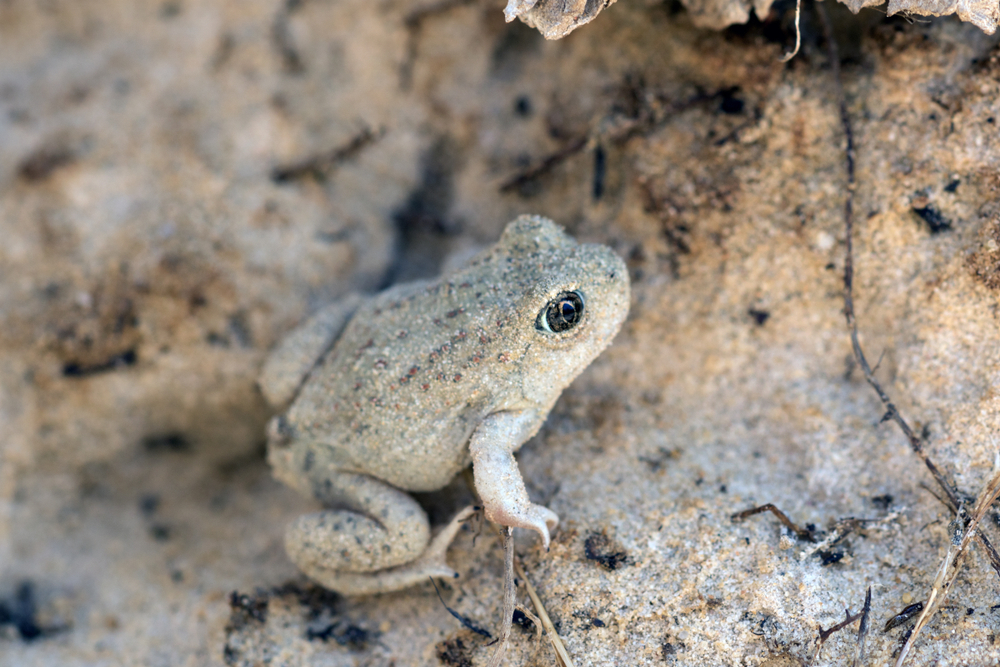
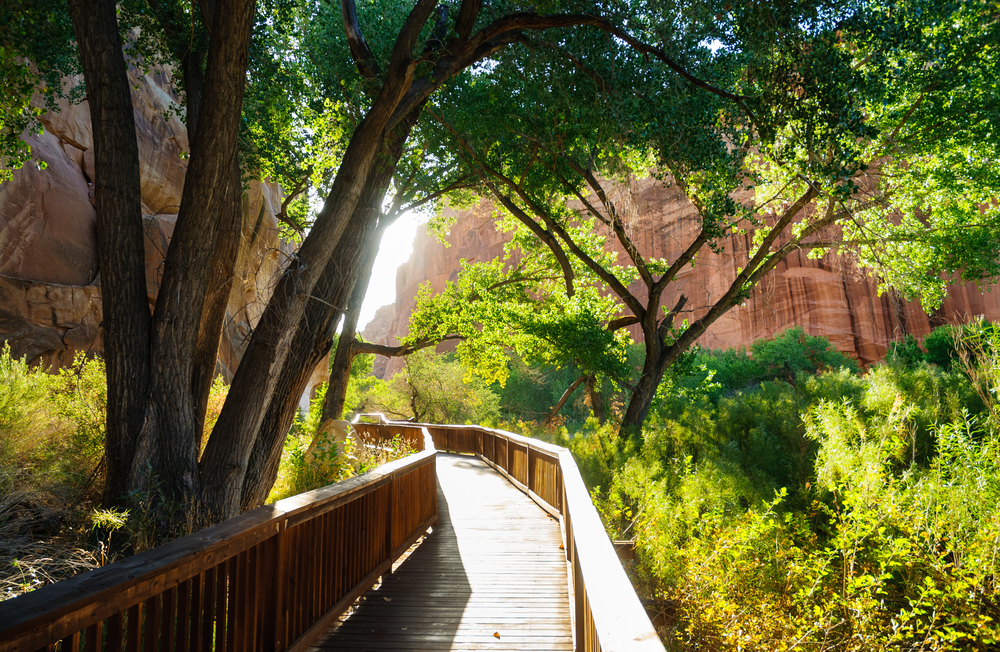
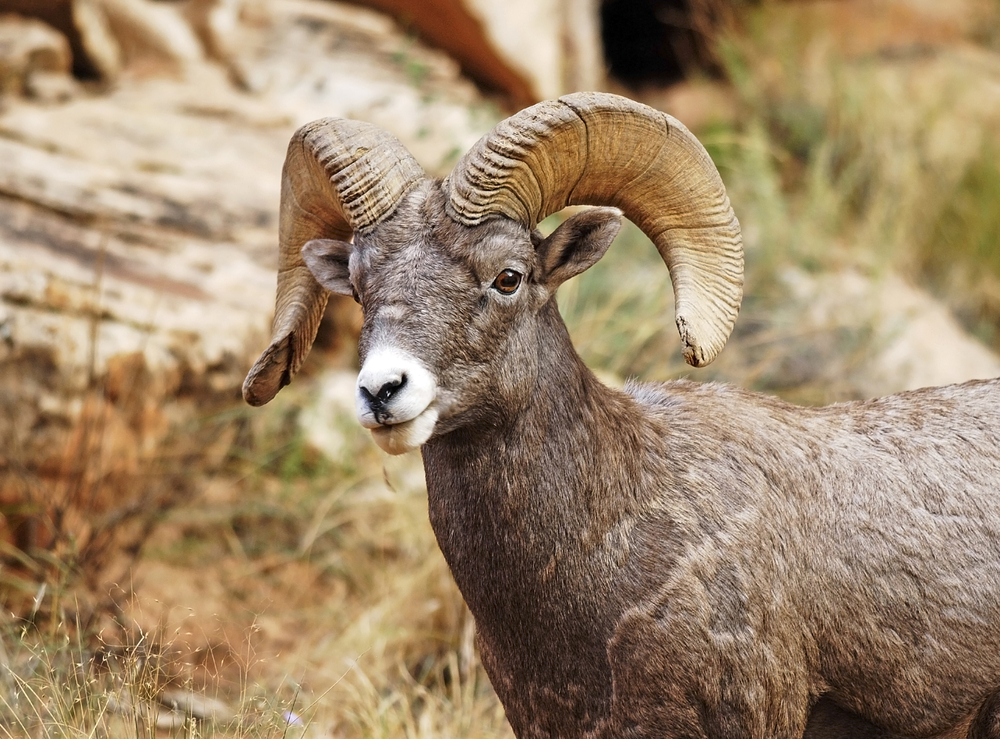
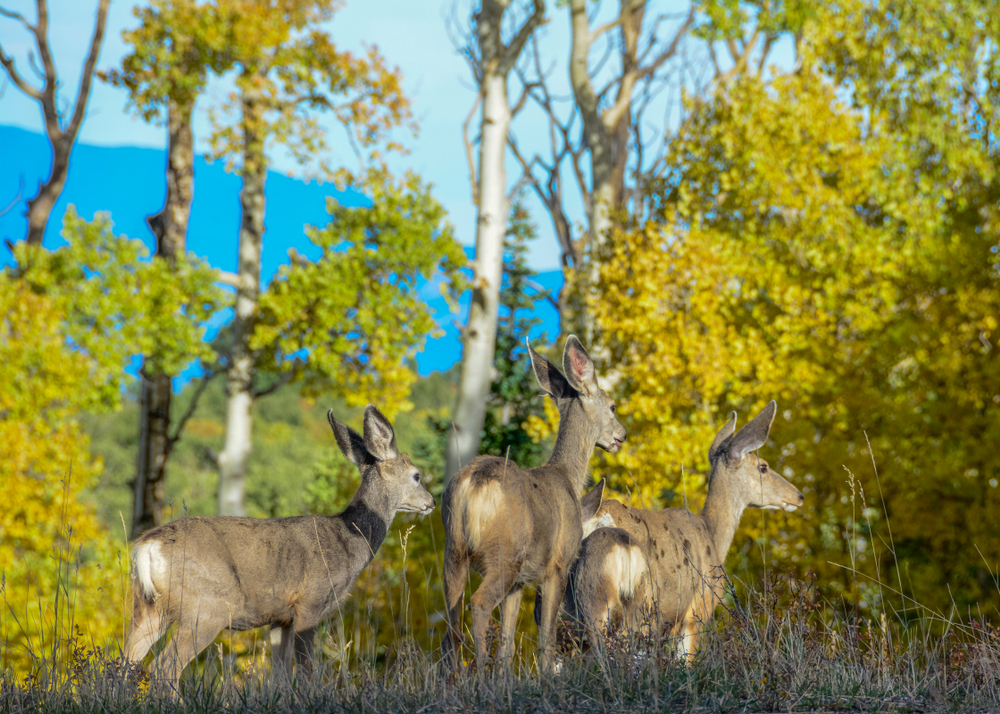
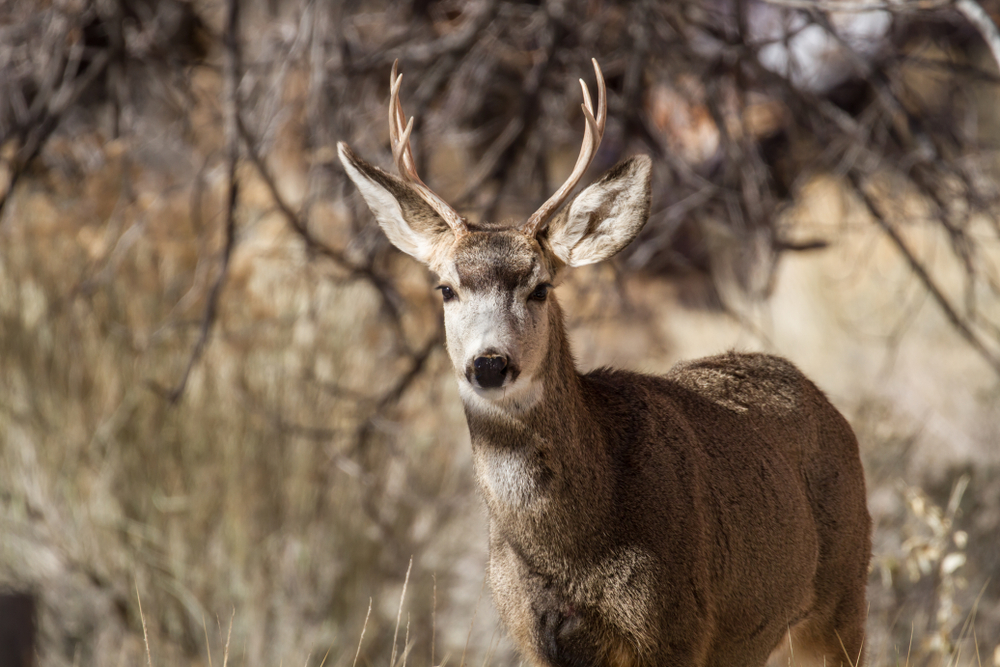
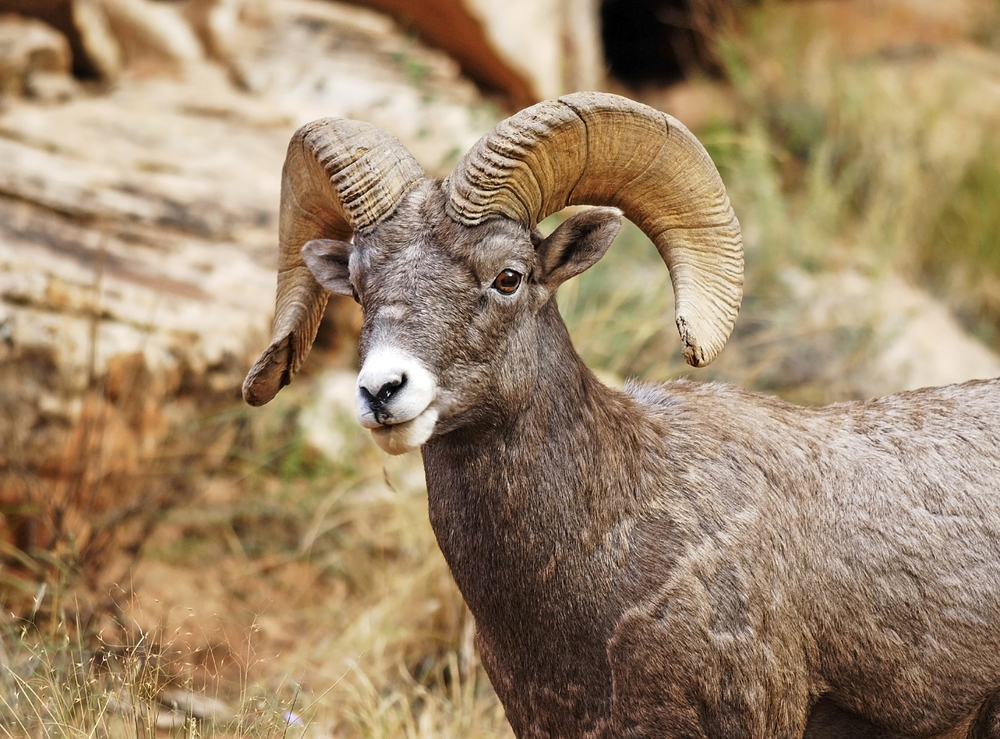
Wildlife thrives throughout the park’s varied ecosystems. Mammals include mule deer, desert bighorn sheep, coyotes, bobcats, foxes, and mountain lions. Desert bighorn sheep are among the park’s most iconic animals and are frequently observed in rugged canyon terrain. Birdlife is abundant, with more than 230 species recorded, including golden eagles, peregrine falcons, pinyon jays, canyon wrens, and hummingbirds. Reptiles such as collared lizards, whiptail lizards, and rattlesnakes inhabit the warmer desert regions. Riparian areas along the Fremont River and Sulphur Creek support additional wildlife and create important ecological corridors within the arid landscape.
Capitol Reef National Park plays a vital role in preserving one of the most significant geological features in North America while protecting fragile desert ecosystems and cultural resources. The park contains ancient petroglyph panels created by the Fremont people, providing insight into human history stretching back more than a thousand years. Its combination of geology, archaeology, and biodiversity makes it a unique national treasure.
Ecologically and geologically, Capitol Reef is often compared to Canyonlands National Park and Zion National Park, yet the Waterpocket Fold gives it a character found nowhere else in the world. Through its dramatic landscapes, historic orchards, desert wildlife, and extraordinary geology, Capitol Reef National Park stands as one of Utah’s most remarkable protected areas and one of the finest examples of the American Southwest’s natural beauty.
Photos



Things to See
Things To Do
Engaging Capitol Reef
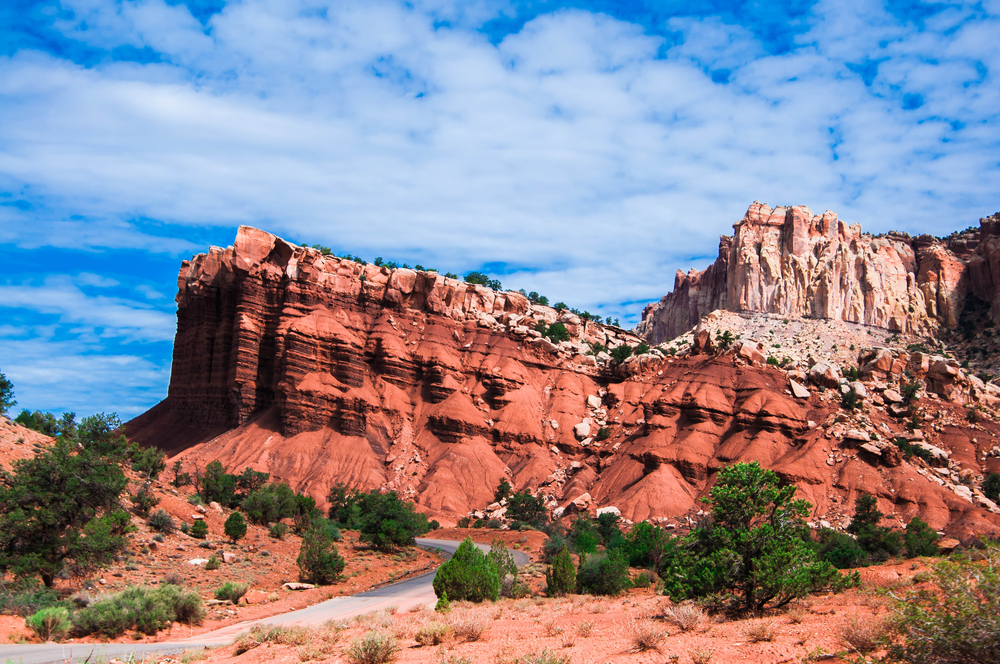
Capitol Reef National Park Trails
Capitol Reef is one of those places that leaves you bewildered and the extensive and colorful landscapes. There are hundreds of miles of trails that allow you to more fully engage this magnificent part of the country.

FAQ’s
What is Capitol Reef National Park known for?
Capitol Reef National Park is renowned for its stunning geological formations, including towering sandstone monoliths, deep canyons, and colorful rock layers.
It is famous for its unique Waterpocket Fold, a 100-mile long warp in the Earth’s crust that creates a stunning landscape of cliffs, domes, and arches.
The park is also known for its rich cultural history, with evidence of ancient Native American civilizations and pioneer settlements scattered throughout the area.
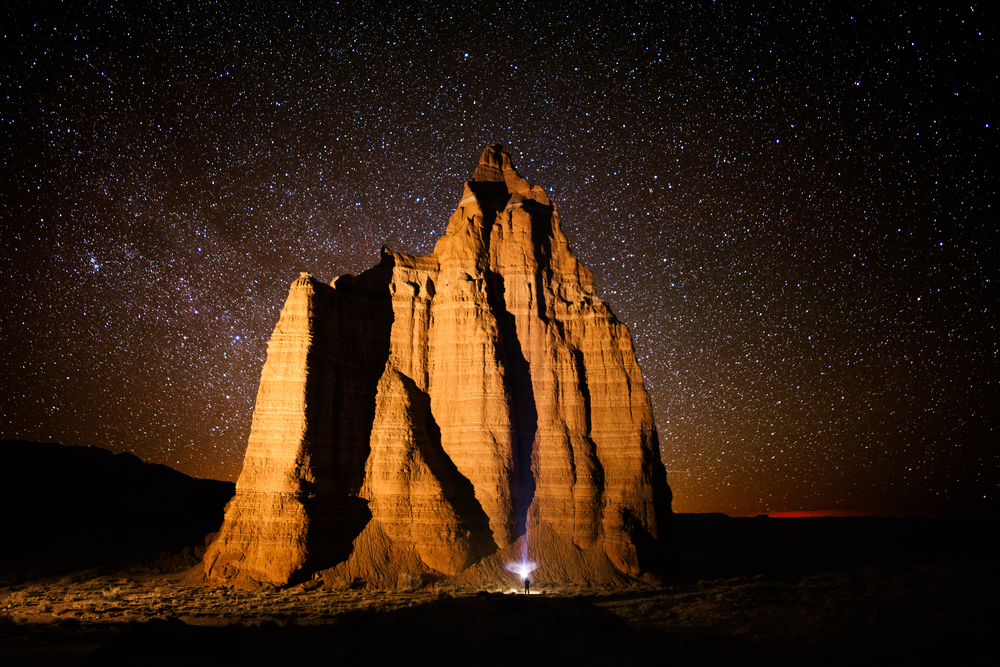
Visitors come to Capitol Reef to hike scenic trails, explore slot canyons, marvel at natural bridges and arches, and stargaze under some of the darkest skies in the United States.
Whether seeking outdoor adventure or cultural exploration, Capitol Reef offers a diverse range of experiences amidst its spectacular desert scenery.
What is the main reason people visit Capitol Reef National Park?
Capitol Reef National Park is primarily visited for its colorful sandstone cliffs, dramatic geologic formations, scenic drives, and outstanding hiking opportunities. Located in south-central Utah, the park protects the Waterpocket Fold, a nearly 100-mile-long geological wrinkle in the Earth’s crust.
Visitors come to explore towering red rock formations, natural arches, deep canyons, historic orchards, scenic backroads, and one of the most underrated landscapes in the American Southwest.
What animals can visitors hope to see in Capitol Reef National Park?
Capitol Reef National Park supports approximately 75 mammal species and more than 30 reptile species. Its deserts, cliffs, canyons, riparian areas, and pinyon-juniper woodlands provide habitat for a diverse range of wildlife.
Some of the most notable mammals found in Capitol Reef National Park include:
- Mule Deer
- Desert Bighorn Sheep
- Elk
- Mountain Lion
- Bobcat
- Coyote
- Gray Fox
- Red Fox
- Ringtail
- Raccoon
- American Badger
- Long-tailed Weasel
- Striped Skunk
- Spotted Skunk
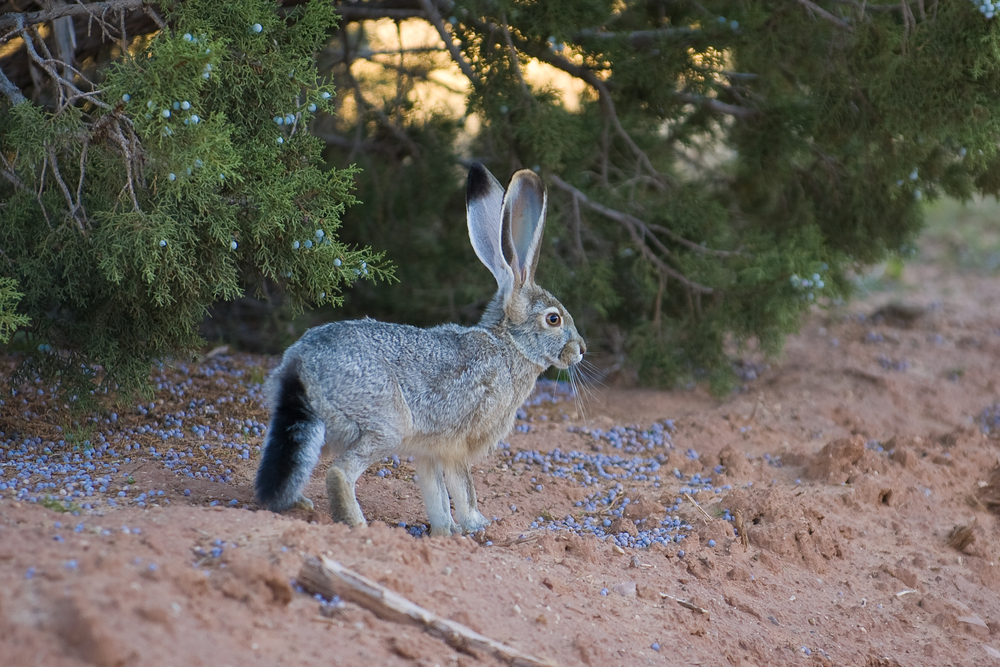
- Black-tailed Jackrabbit
- Desert Cottontail
- Rock Squirrel
- White-tailed Antelope Squirrel
- Golden-mantled Ground Squirrel
- Cliff Chipmunk
- Porcupine
- Beaver
- Muskrat
- River Otter (occasionally)
- Deer Mouse
- Canyon Mouse
- Kangaroo Rat
- Pocket Mouse
- Woodrat
- Pocket Gopher
- Vole Species
- Harvest Mouse Species
- Shrew Species
- Big Brown Bat
- Pallid Bat
- Hoary Bat
- Mexican Free-tailed Bat
- Townsend’s Big-eared Bat
- Yuma Myotis
- Little Brown Bat
- Long-legged Myotis
- Western Pipistrelle
- Fringed Myotis
- Desert Shrew
- Ground Squirrel Species
- Pack Rat Species
- Desert Rodent Species
- Canyon Bat Species
- Small Carnivore Species
- Various Small Mammals
What birds can visitors hope to see in Capitol Reef National Park?
Capitol Reef National Park is home to more than 230 bird species. The park’s cliffs, orchards, rivers, and desert habitats support a rich variety of resident and migratory birds.
Some of the most popular birds seen in Capitol Reef National Park include:
- Golden Eagle
- Bald Eagle
- Peregrine Falcon
- Prairie Falcon
- Red-tailed Hawk
- Cooper’s Hawk
- Sharp-shinned Hawk
- American Kestrel
- Turkey Vulture
- Common Raven
- Pinyon Jay
- Clark’s Nutcracker
- Woodhouse’s Scrub-Jay
- Black-billed Magpie
- Mountain Bluebird
- Western Bluebird
- Canyon Wren
- Rock Wren
- Bewick’s Wren
- House Wren
- Black-throated Sparrow
- Sagebrush Sparrow
- Brewer’s Sparrow
- Chipping Sparrow
- White-crowned Sparrow
- Horned Lark
- Western Meadowlark
- Say’s Phoebe
- Ash-throated Flycatcher
- Western Kingbird
- Violet-green Swallow
- Cliff Swallow
- Barn Swallow
- White-throated Swift
- Black-chinned Hummingbird
- Broad-tailed Hummingbird
- Rufous Hummingbird
- Northern Flicker
- Lewis’s Woodpecker
- Downy Woodpecker
- Juniper Titmouse
- Bushtit
- Yellow-rumped Warbler
- Orange-crowned Warbler
- Common Yellowthroat
- American Robin
- Western Tanager
- Lazuli Bunting
- Canyon Towhee
- Greater Roadrunner
Is Capitol Reef National Park worth visiting?
Yes, Capitol Reef National Park is absolutely worth visiting and is often considered one of Utah’s hidden gems.
While it receives fewer visitors than nearby parks such as Zion National Park, Bryce Canyon National Park, and Arches National Park, many travelers appreciate its quieter atmosphere, exceptional scenery, and outstanding hiking opportunities. Visitors looking for stunning landscapes without large crowds often rank Capitol Reef among their favorite national parks.
What is the best time to visit Capitol Reef National Park?
The best time to visit Capitol Reef National Park is:
- March to May
- September to October
During these months:
- Temperatures are comfortable.
- Hiking conditions are excellent.
- Scenic drives are enjoyable.
- Wildflowers may bloom in spring.
Summer can be extremely hot, while winter is generally quiet with occasional snow at higher elevations.
How many days do you need to visit Capitol Reef National Park?
Most visitors should plan for 1 to 3 days.
- 1 day: Scenic Drive and major viewpoints.
- 2 days: Popular hikes and historic Fruita area.
- 3 days: Backcountry roads, slot canyons, and more remote exploration.
- 4+ days: Extensive hiking and photography opportunities.
Capitol Reef is frequently combined with other Utah national parks on a longer road trip.
How do you get to Capitol Reef National Park?
Capitol Reef National Park is located near the town of Torrey.
Most visitors:
- Fly into Salt Lake City, Las Vegas, or Grand Junction.
- Drive to Torrey and the park entrance.
- Access the park via Utah Scenic Byway 24.
The park is a popular stop along Utah’s famous scenic road-trip routes.
Who is involved in protecting and supporting Capitol Reef National Park?
Several organizations help protect Capitol Reef National Park:
- National Park Service – manages Capitol Reef National Park.
- Capitol Reef Natural History Association – supports educational and conservation programs within the park.
- Friends of Capitol Reef National Park – supports preservation, volunteerism, and public engagement.
- Grand Canyon Trust – supports regional conservation efforts across the Colorado Plateau.
- Local communities, volunteers, and conservation partners who help protect park resources.
Sources
- All Trails, Best Trails in Capitol Reef, https://www.alltrails.com/parks/us/utah/capitol-reef-national-park, retrieved June 2020.
- Britannica, Capitol Reef National Park, https://www.britannica.com/place/Capitol-Reef-National-Parkretrieved June 2020.
- Bryce Canyon Country, Capitol Reef National Park, https://www.brycecanyoncountry.com/things-to-do/parks-and-attractions/capitol-reef-national-park/, retrieved June 2020.
- Capitol Reef Country, Take the Road Less Traveled, https://capitolreef.org/, retrieved June 2020.
- Life Utah Elevated, Capitol Reef National Park, https://www.visitutah.com/places-to-go/parks-outdoors/capitol-reef/, retrieved June 2020.
- National Park Service, Capitol Reef, https://www.nps.gov/care/index.htm, retrieved June 2020.
- Utah.com, Capitol Reef National Park, https://utah.com/capitol-reef-national-park, retrieved June 2020.