About

Kruger National Park is located in the northeastern region of South Africa, stretching along the borders of Mozambique and Zimbabwe. Covering approximately 7,500 square miles (19,500 sq km), it is one of the largest and most famous national parks in Africa.

Kruger forms the core of the Greater Limpopo Transfrontier Park, an expansive conservation area that connects protected lands across international borders, including Limpopo National Park and Gonarezhou National Park in Zimbabwe. Its immense scale, ecological diversity, and exceptional wildlife populations have made it one of the world’s premier safari destinations.

Kruger National Park is best known for its extraordinary abundance and diversity of wildlife, particularly its strong populations of the “Big Five”—lion, leopard, elephant, rhinoceros, and buffalo. Visitors from around the world travel to Kruger for the opportunity to observe these iconic animals in vast, natural landscapes.

The park is also celebrated for the quality and accessibility of its safari experiences, offering an extensive network of roads, camps, and viewing opportunities that allow visitors to explore a remarkable range of habitats. Despite its popularity, many areas of Kruger still retain a deep sense of wilderness, especially in the more remote northern regions.

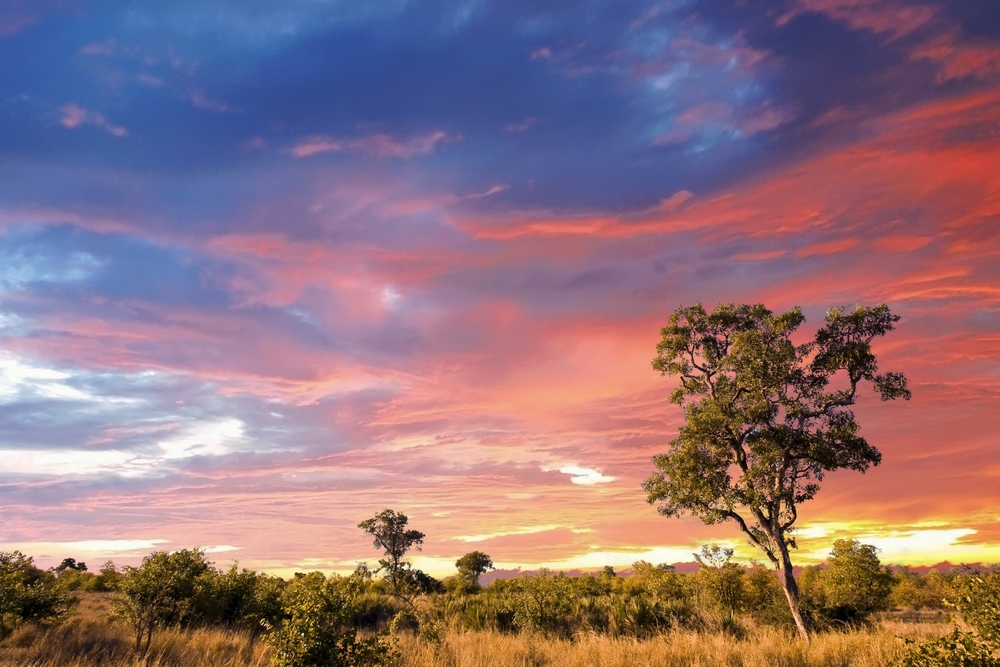
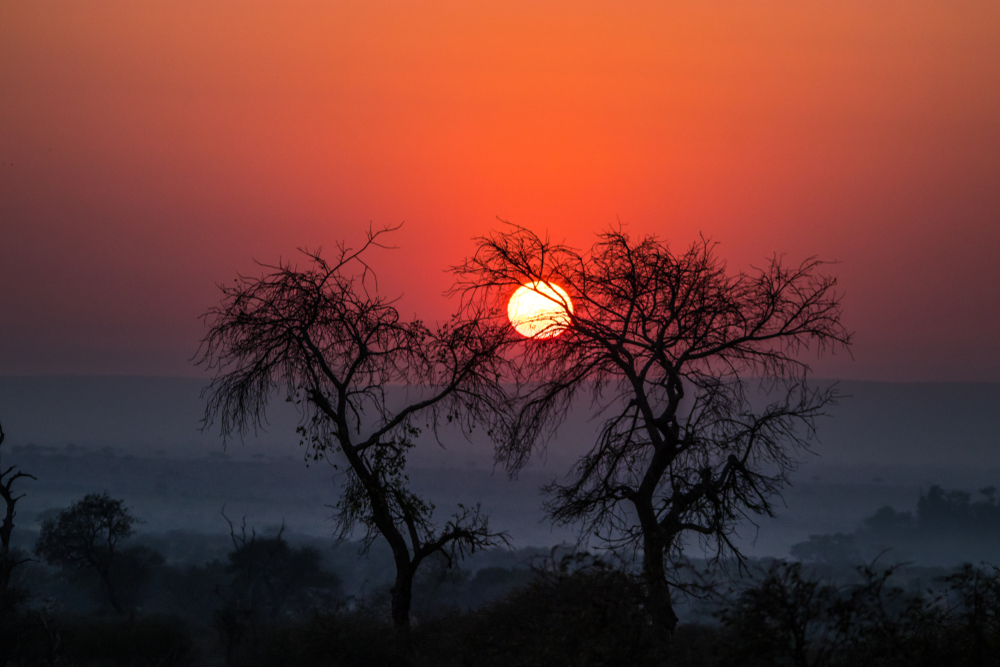
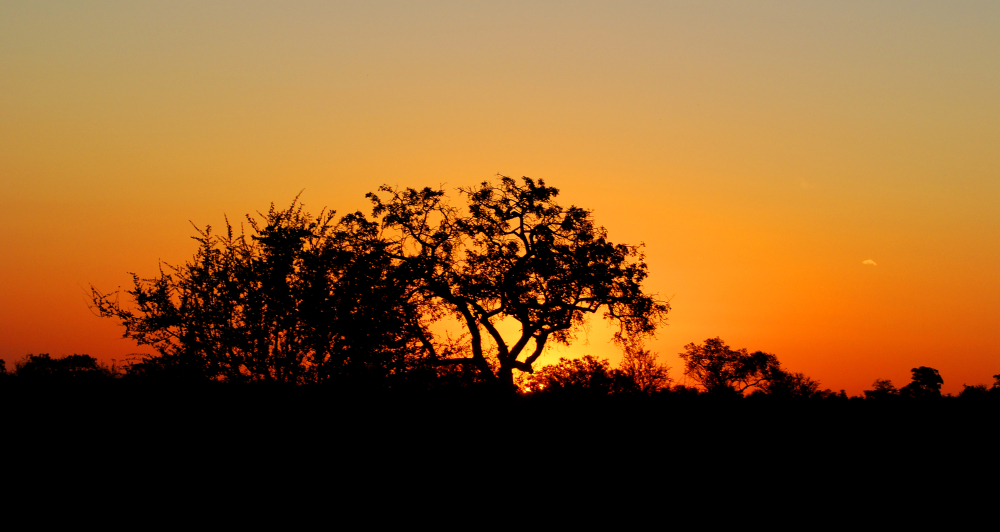
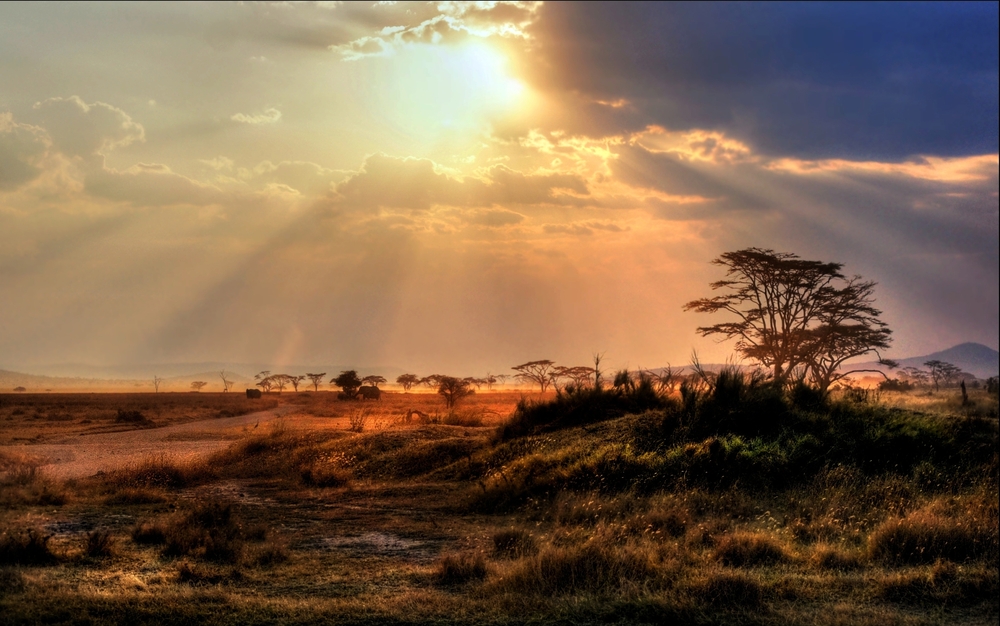
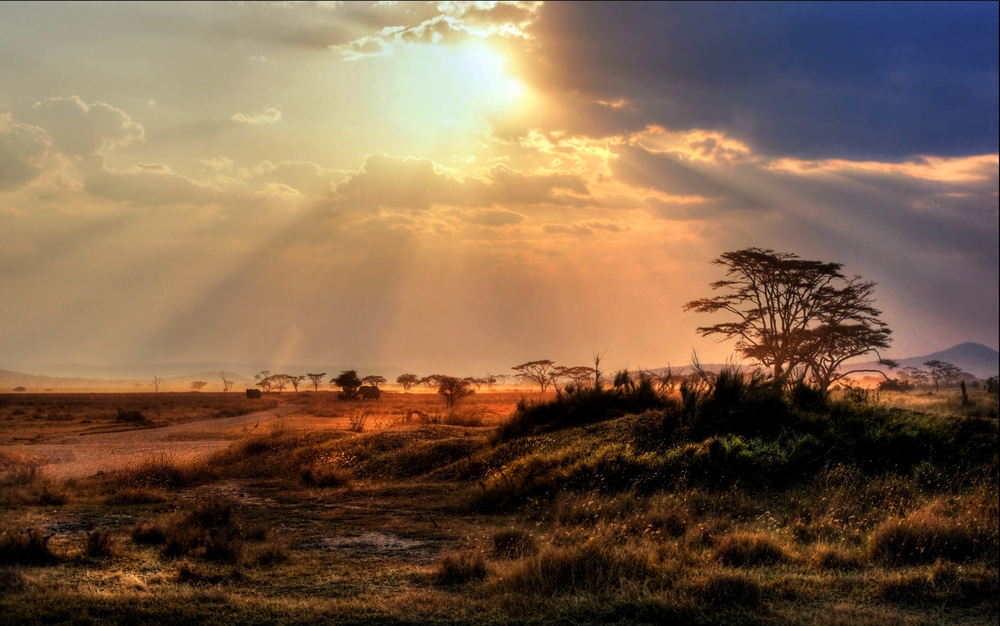
The geography of Kruger National Park is highly varied, contributing to its exceptional biodiversity. The landscape includes open savannas, rolling grasslands, riverine forests, mopane woodlands, and rocky hills. Major rivers such as the Sabie, Crocodile, Limpopo, and Olifants flow through the park, providing essential water sources that sustain wildlife throughout the year.

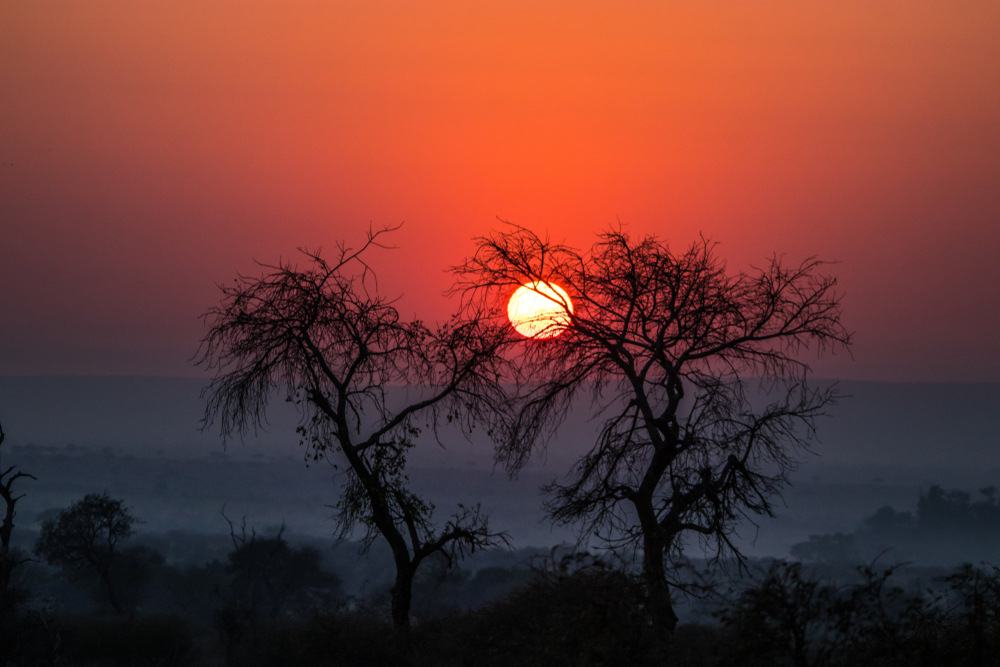
Seasonal changes transform the environment, with lush green vegetation emerging after the rains and drier, golden landscapes dominating during the winter months. This diversity of ecosystems allows different species to thrive across the park’s enormous expanse.

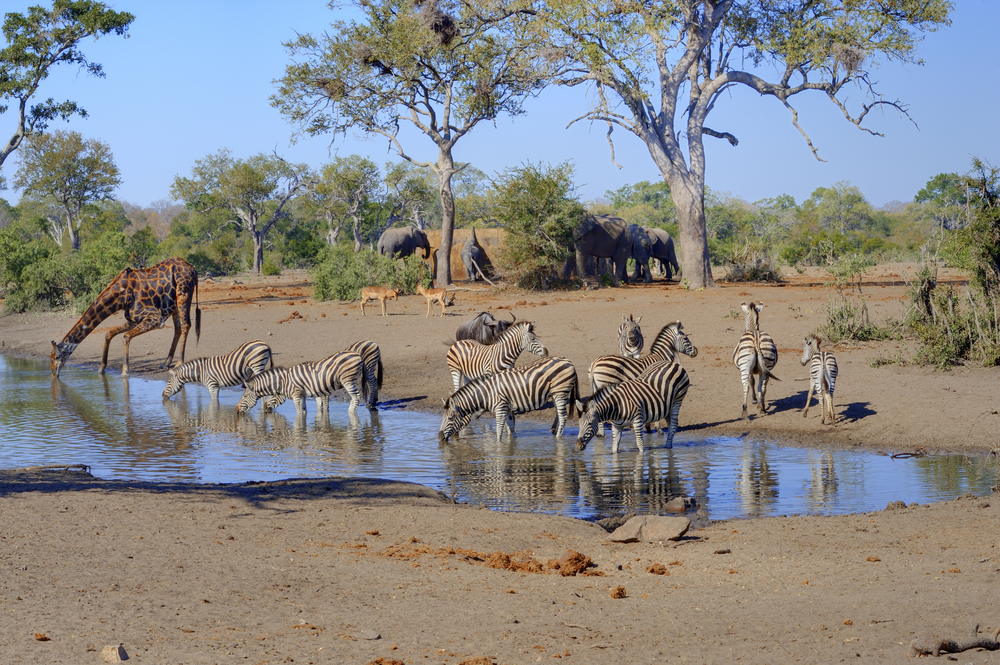
Wildlife in Kruger is among the richest anywhere in Africa. In addition to the Big Five, the park supports cheetahs, wild dogs, giraffes, zebras, hippos, crocodiles, hyenas, and numerous antelope species. Birdlife is equally impressive, with more than 500 recorded species ranging from large raptors to colorful kingfishers and hornbills.

Kruger’s rivers and wetlands attract aquatic species and migratory birds, while its varied habitats support everything from reptiles and amphibians to smaller nocturnal mammals. The sheer density and diversity of life make wildlife encounters frequent and unforgettable.

Kruger National Park plays a critical role in global conservation by protecting one of Africa’s largest intact ecosystems and preserving habitats for countless species, including several that are threatened or endangered. The park’s participation in transboundary conservation initiatives helps maintain wildlife migration routes and ecological connectivity across southern Africa. Kruger is also a major center for scientific research, anti-poaching efforts, and environmental education, contributing significantly to conservation knowledge and wildlife protection.

On a global scale, the park stands as a symbol of Africa’s natural heritage and the importance of safeguarding large wilderness areas where ecological processes can continue largely uninterrupted. Its iconic wildlife, sweeping landscapes, and enduring conservation legacy make Kruger National Park one of the world’s greatest protected areas.

Things to See

Without question, a safari throughout the park is the highlight for Kruger National Park.  It represents one of the largest collections of wildlife throughout the continent.  The predators of the park include lion, leopard, cheetah, hyena, wild dog, and the crocodile.
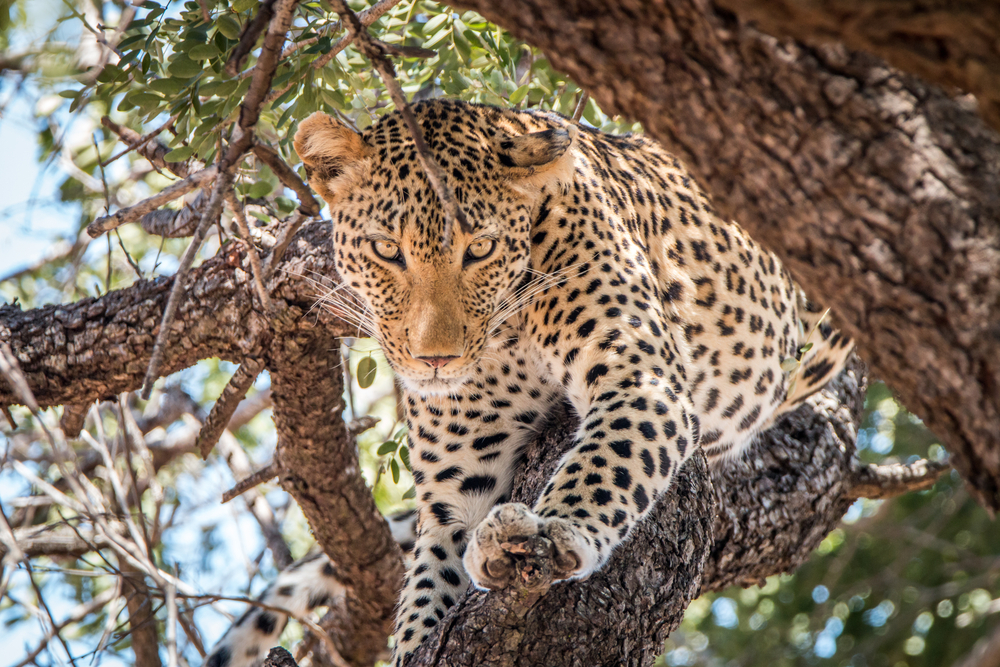
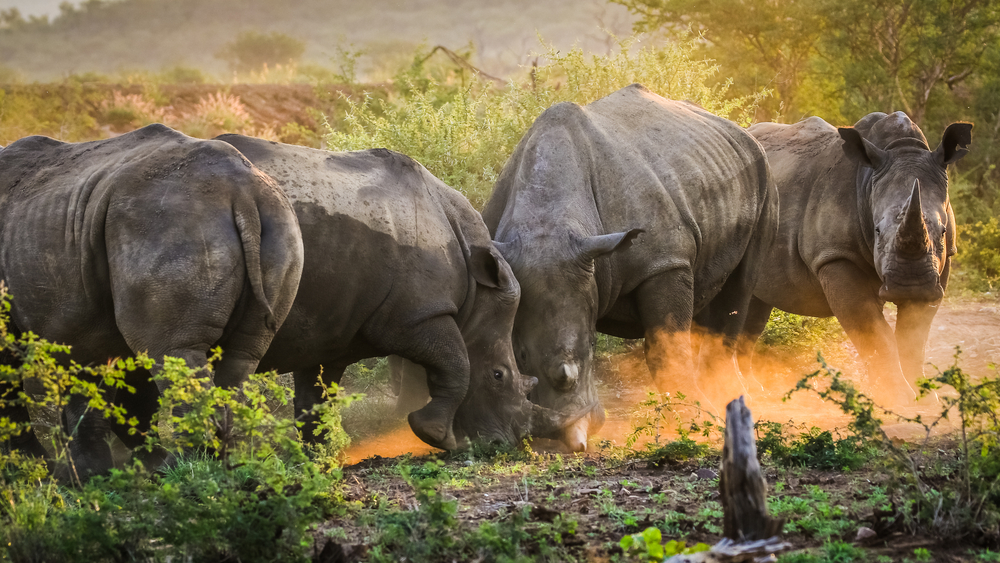
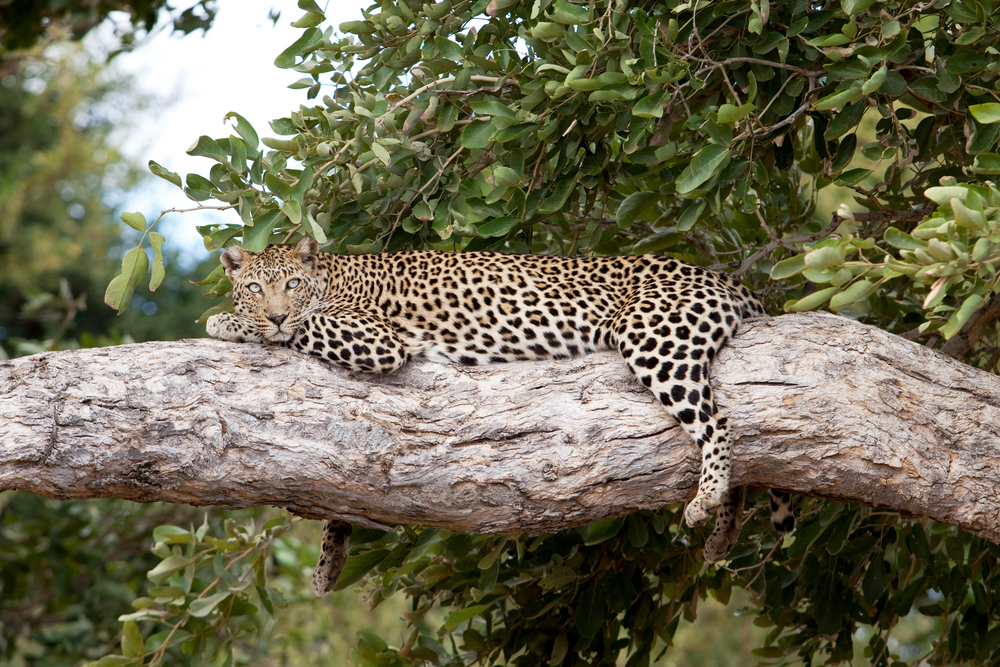
The Big 5, which include the lion, leopard, elephant, rhino, and buffalo are all found here.  The mountain gorilla is the only one missing in the park of the Big 7.  Africa’s Big 7 include lion, leopard, elephant, hippopotamus, rhinoceros, crocodile, and mountain gorilla.

Some of the more popular large mammals found in the park include elephant, black and white rhinoceroses, eland, giraffe, greater kudu, cape buffalo, hippopotamus, roan antelope, sable antelope, and the waterbuck.

Kruger is considered the premier safari destination in southern Africa.  It is the most renowned national park in Africa and draws people from around the world.  The wilderness and wildlife will provide you with an unforgettable experience with nature.

Predators

Predators

Kruger National Park, renowned for its incredible biodiversity, is home to a variety of formidable predators that play a crucial role in the park’s ecosystem. Among the most prominent predator species found here are:

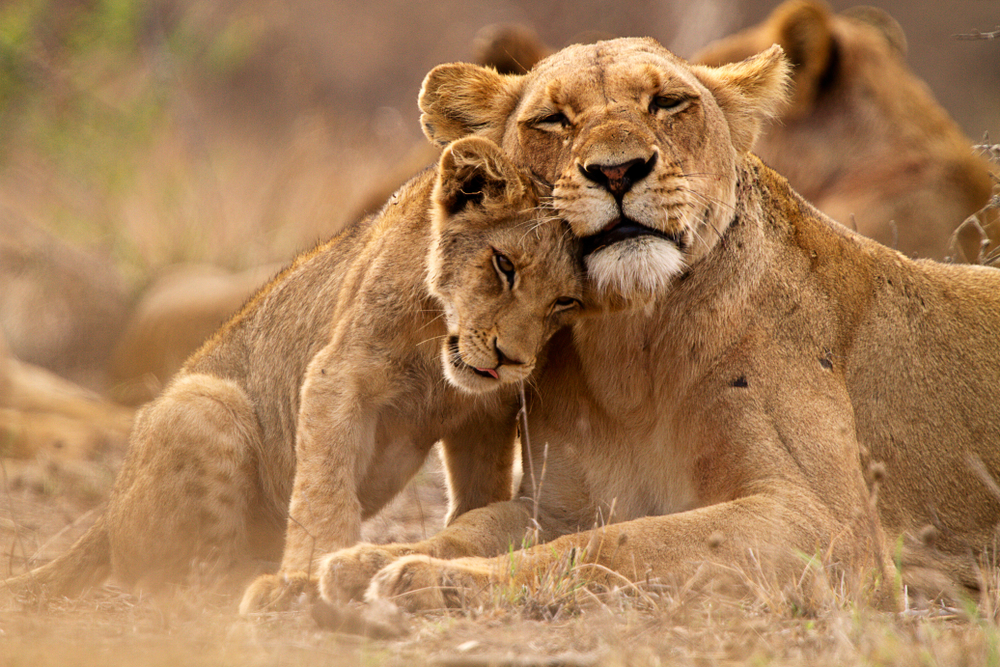
  1. African Lion (Panthera leo): As apex predators, lions dominate the savannah landscapes of Kruger. They live in prides and hunt cooperatively, preying on a variety of herbivores, including antelopes and zebras.
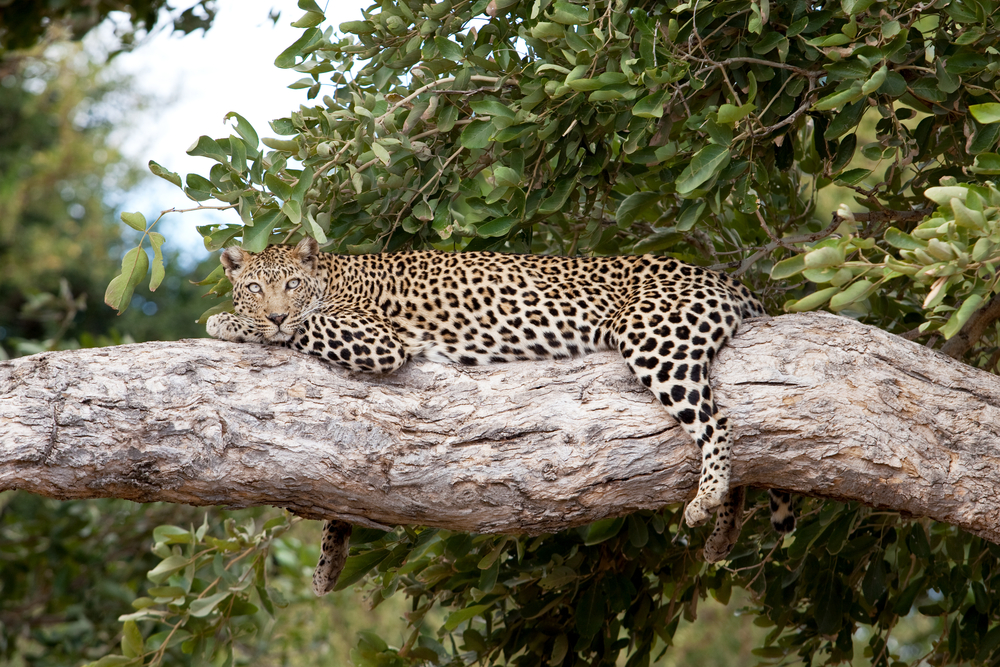
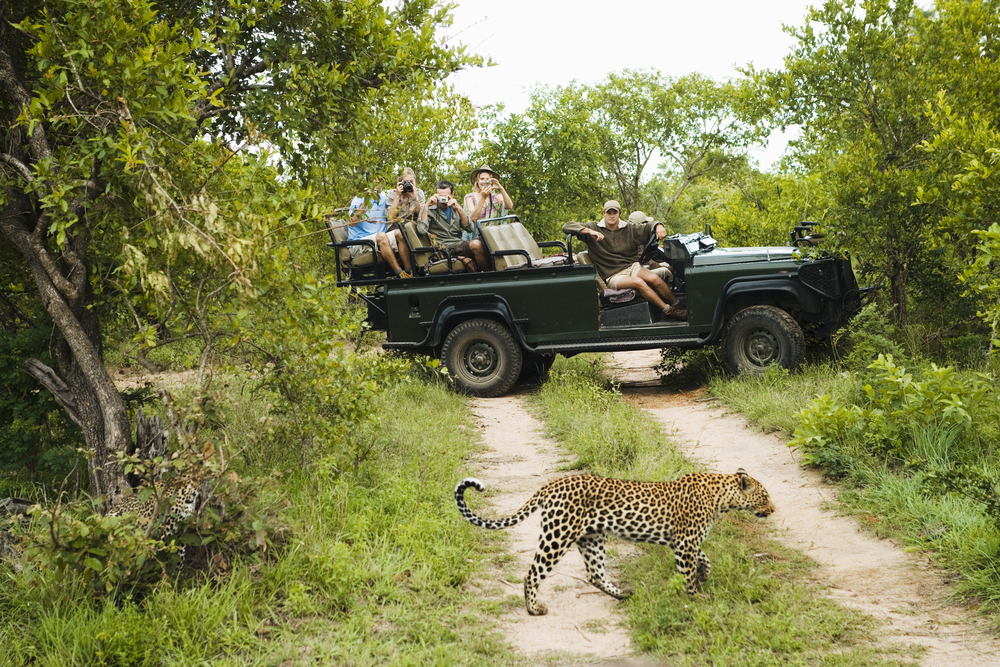
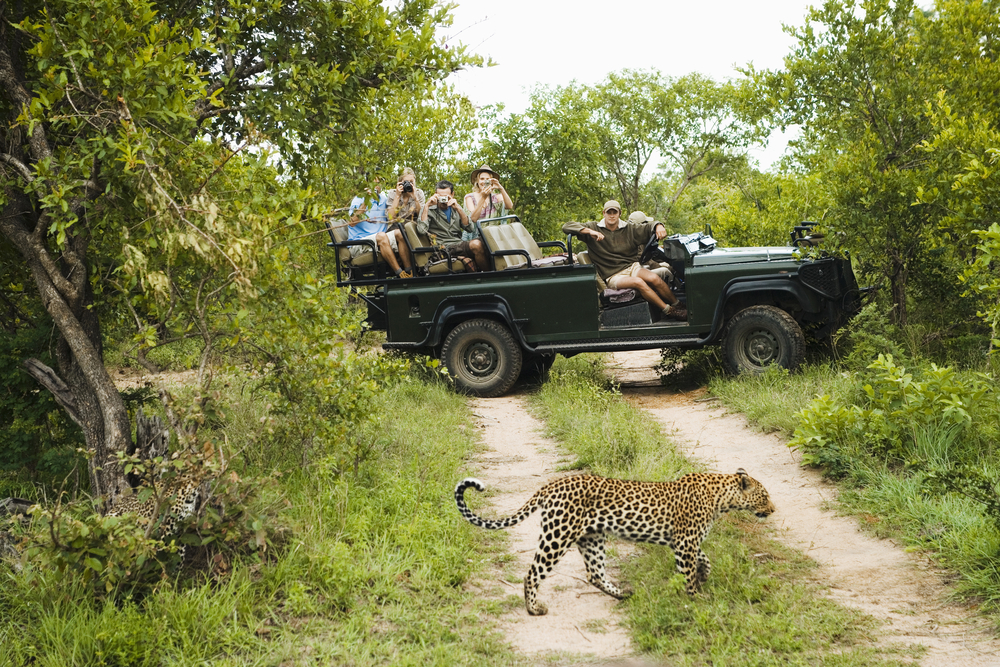
  2. Leopard (Panthera pardus): Known for their elusive nature, leopards are skilled climbers and solitary hunters. They often drag their prey into trees for safekeeping, making them a thrilling sight for visitors fortunate enough to spot them.
  3. Spotted Hyena (Crocuta crocuta): Often misunderstood as scavengers, spotted hyenas are formidable hunters capable of taking down large prey. Their distinctive whooping calls echo through the night, contributing to the park’s unique soundscape.
  4. African Wild Dog (Lycaon pictus): Endangered and highly social, African wild dogs hunt cooperatively in packs. With their exceptional stamina and teamwork, they are among the most efficient hunters in Kruger.
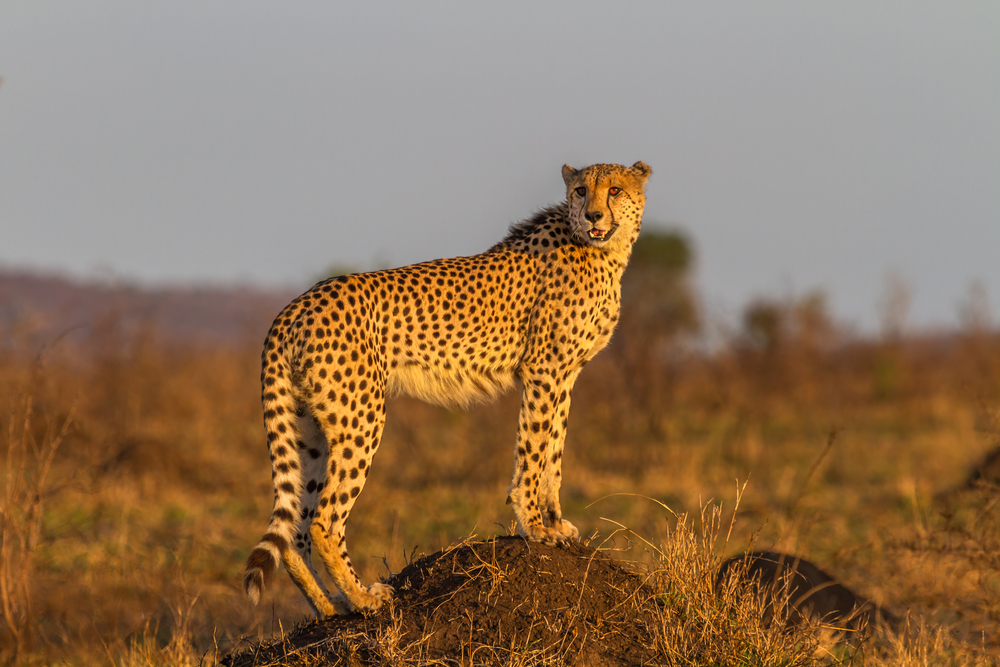
  5. Cheetah (Acinonyx jubatus): Recognizable by their slender build and distinctive black “tear” marks on their faces, cheetahs are the fastest land animals. They rely on their speed and agility to catch prey, often targeting smaller antelopes.
  6. Spotted Hyaena (Crocuta crocuta): Highly adaptable and intelligent, spotted hyenas are proficient hunters and scavengers. Their powerful jaws and robust build allow them to dominate kills even against larger predators.
  7. African Wild Dog (Lycaon pictus): Endangered and highly social, African wild dogs hunt cooperatively in packs, using teamwork and endurance to pursue and bring down their prey.
  8. Cheetah (Acinonyx jubatus): With its sleek, aerodynamic build and incredible speed, the cheetah is an iconic predator of the African savannah. Despite their speed, they face challenges from larger predators and habitat loss.
  9. Serval (Leptailurus serval): A smaller predator with distinctive large ears, the serval is an expert hunter of rodents and birds. Its unique appearance and elusive nature make it a sought-after sighting for wildlife enthusiasts.
  10. Caracal (Caracal caracal): Known for its striking appearance and impressive agility, the caracal is a skilled hunter of small to medium-sized prey. Its tufted ears and powerful hind legs are adaptations for successful hunting in various habitats.
Popular

Popular

Kruger National Park, one of Africa’s premier wildlife destinations, is home to an array of iconic larger species beyond its renowned predators. Here is a glimpse into some of the more popular species travelers home to see:

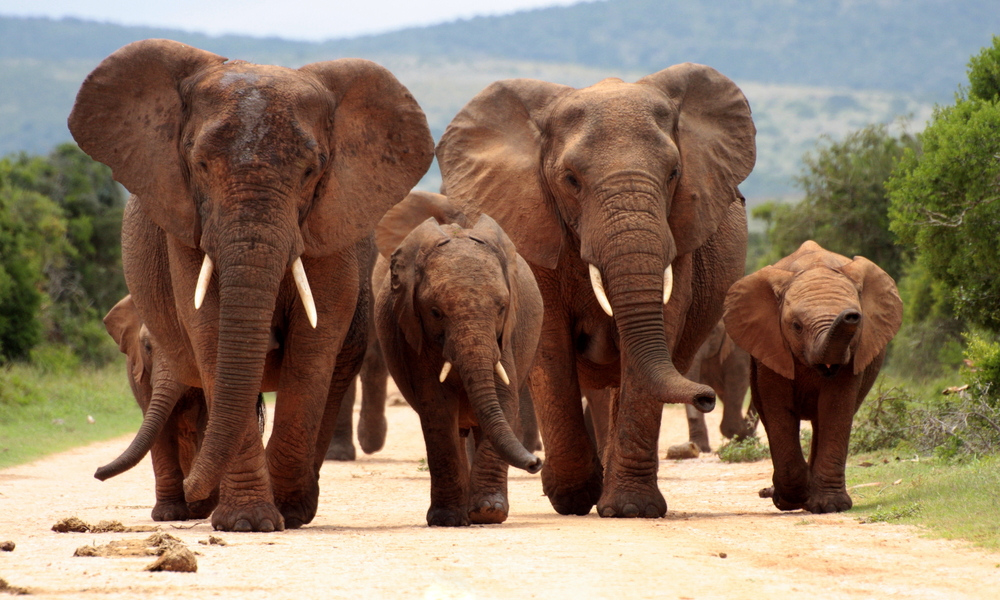
  1. African Elephant (Loxodonta africana): The park’s emblematic giant, African elephants, roam Kruger’s savannahs and woodlands. Known for their intelligence and social structures, these gentle giants shape the landscape and are a symbol of Africa’s wilderness.
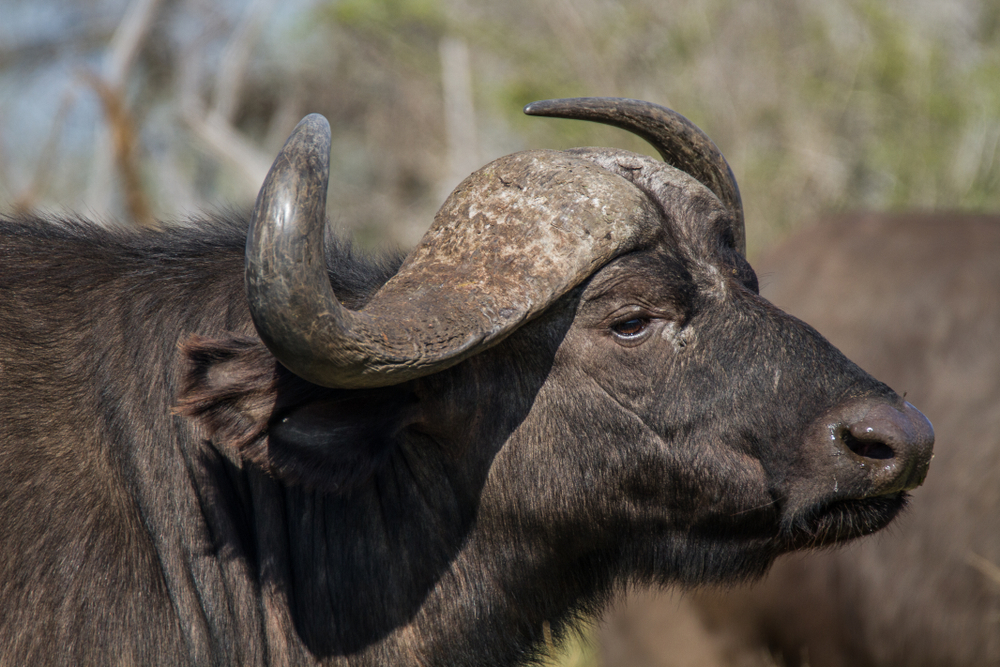
  2. Cape Buffalo (Syncerus caffer): Often encountered in large herds, Cape buffaloes are formidable herbivores with massive, curved horns. Their presence is essential for maintaining the park’s ecosystems, as they graze on grasses and create habitats for other species.
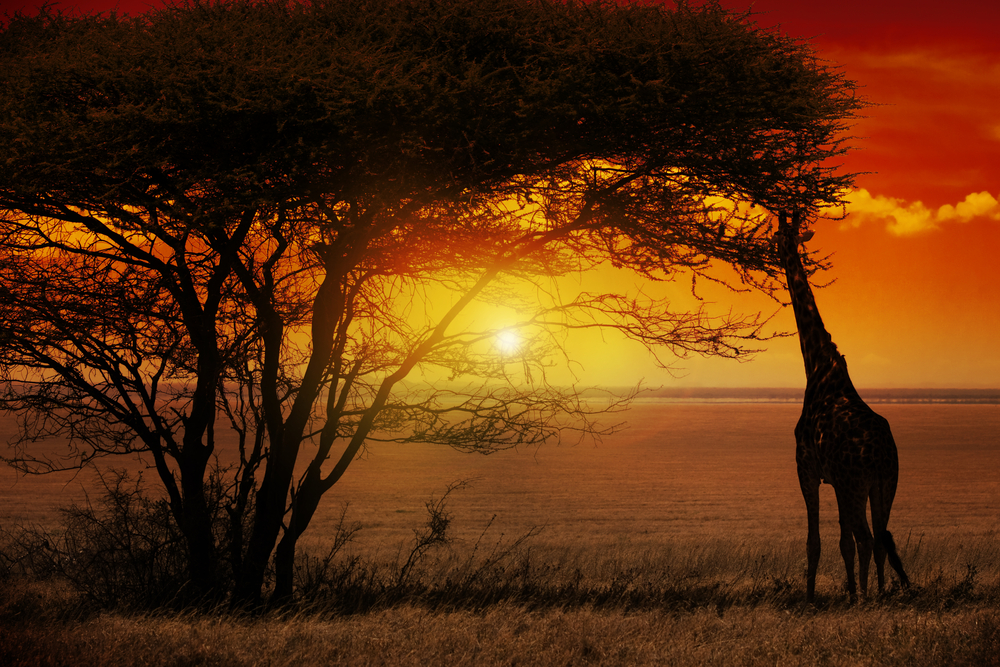
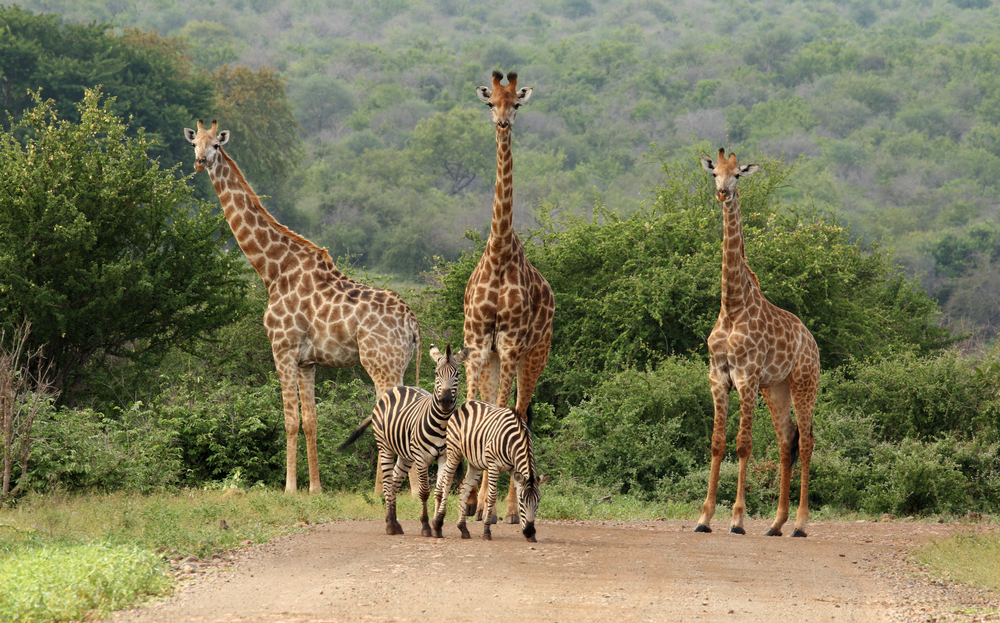
  3. Giraffe (Giraffa camelopardalis): Towering above the savannah, giraffes are unmistakable with their long necks and distinctively patterned coats. These browsers feed on leaves from tall trees and provide a picturesque sight against Kruger’s horizon.
  4. White Rhinoceros (Ceratotherium simum): Despite their name, white rhinos are grayish-brown and are the larger of the two rhino species found in Kruger. They are often seen grazing on grasslands, using their wide mouths to crop vegetation.
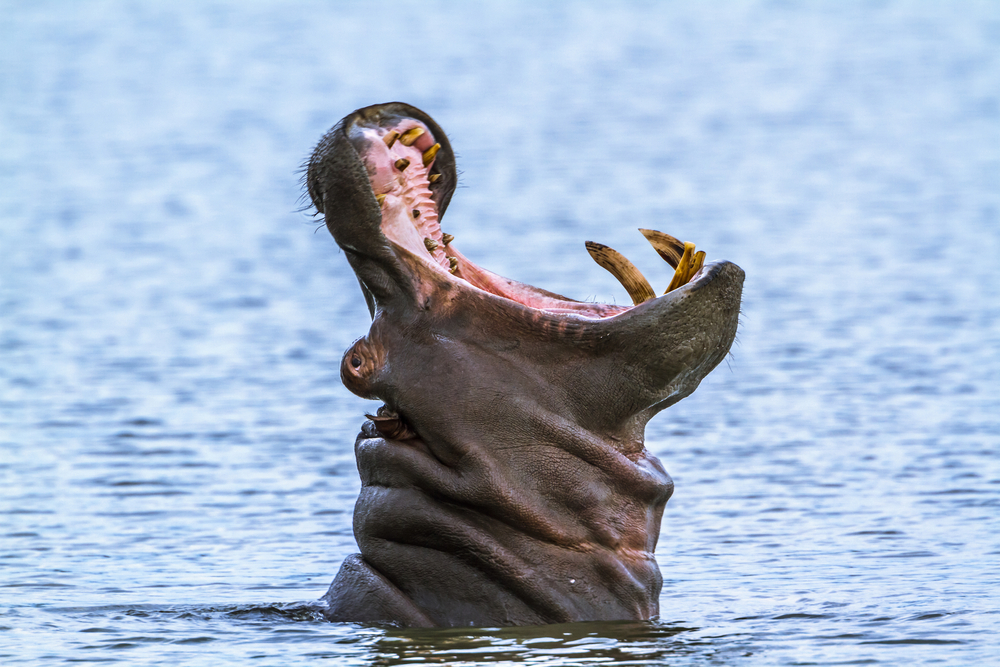
  5. Hippopotamus (Hippopotamus amphibius): Inhabiting Kruger’s rivers and waterholes, hippos are hefty, semi-aquatic mammals. Despite their comical appearance, they are aggressive and territorial, making them one of Africa’s most dangerous animals.
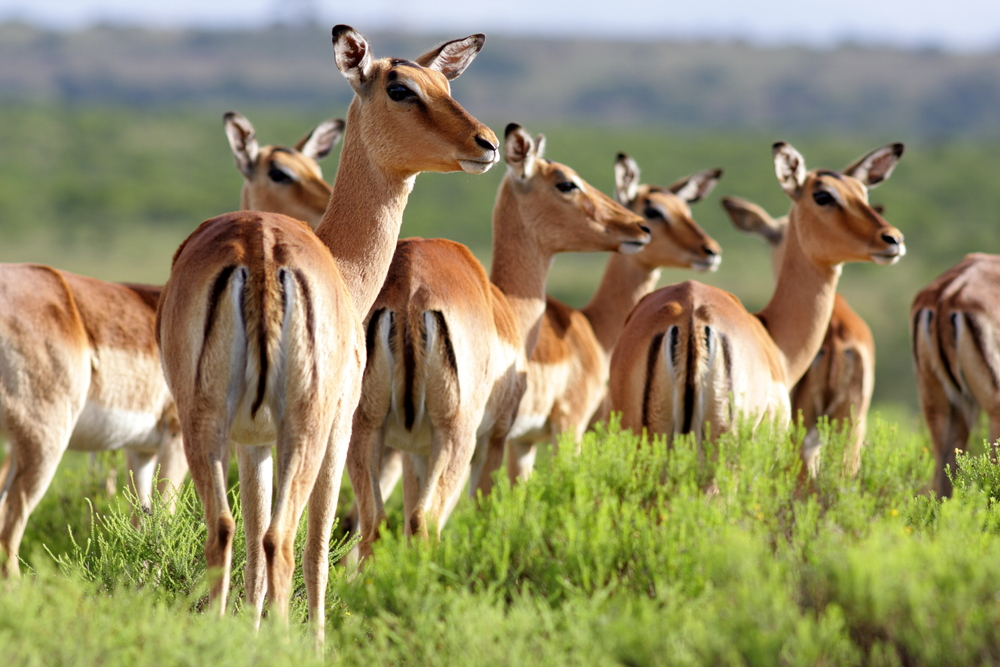
  6. Impala (Aepyceros melampus): Among the most abundant antelope species in Kruger, impalas are graceful runners known for their reddish-brown coats and elegant lyre-shaped horns. They are a primary food source for many predators and form an integral part of the park’s ecosystem.
  7. Warthog (Phacochoerus africanus): Recognizable by their distinctive facial warts and tusk-like protrusions, warthogs are common sights in Kruger. These sturdy animals are well-adapted to their environment and often seen foraging on grass and roots in open areas.
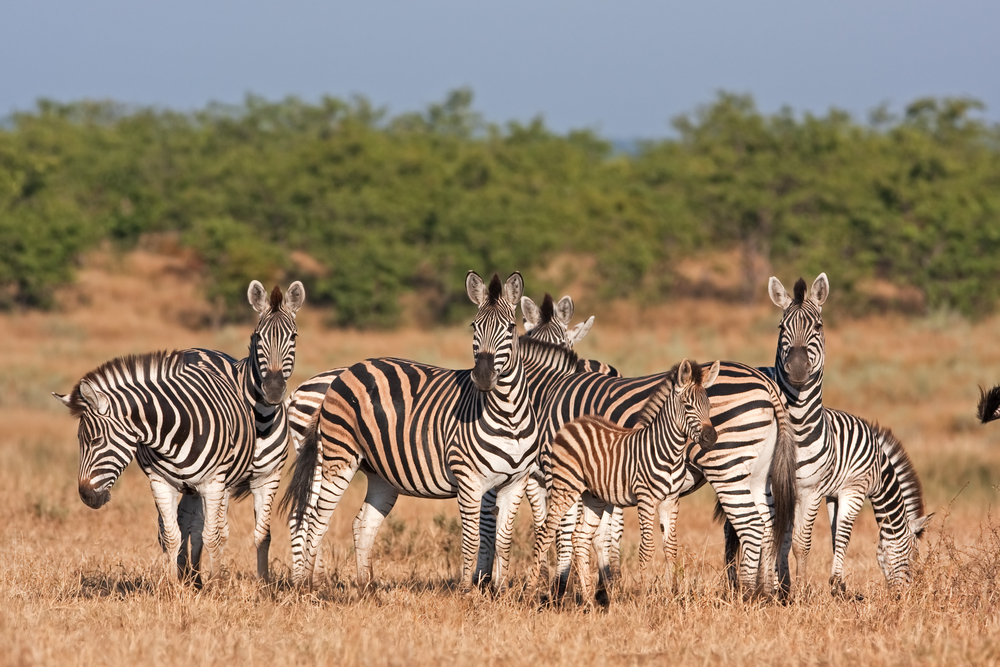
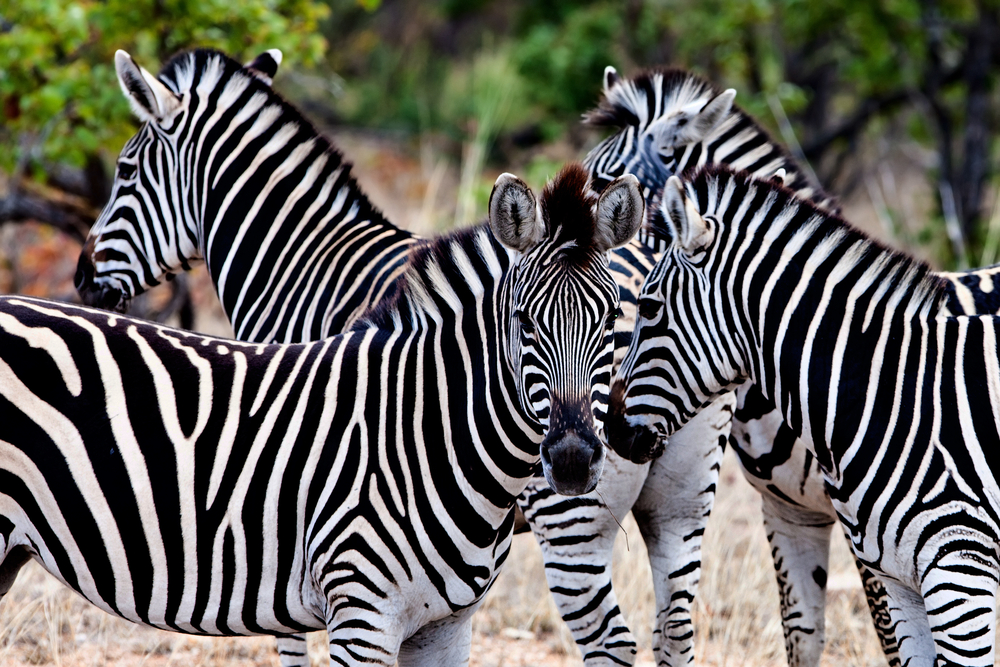
  8. Burchell’s Zebra (Equus quagga burchellii): With their striking black and white stripes, Burchell’s zebras are iconic symbols of African savannahs. Found in abundance throughout Kruger, they travel in small family groups and are often seen grazing alongside other herbivores.
  9. Nyala (Tragelaphus angasii): Nyala are medium-sized antelope distinguished by their shaggy coats, spiral horns (in males), and prominent white stripes on the flanks. They are typically found in dense bushveld areas of Kruger, where they browse on leaves, shoots, and fruits.
  10. Southern Ground Hornbill (Bucorvus leadbeateri): The largest hornbill species, these striking birds are easily recognizable by their size, black plumage, and bright red facial skin. They are ground-dwelling and feed on insects, small vertebrates, and even reptiles, making them a fascinating sight for birdwatchers in Kruger.
Birds

Birds

Although many people covet the Big 5 and other large mammals, Kruger is a special place for bird lovers as well.  Here is a glimpse into some of the more popular bird species visitors hope to witness:

  1. African Fish Eagle (Haliaeetus vocifer): With its distinctive white head and chest, brown body, and hooked yellow beak, the African Fish Eagle is an iconic sight in Kruger. Often seen perched near water bodies, it is renowned for its haunting call and impressive fishing skills.
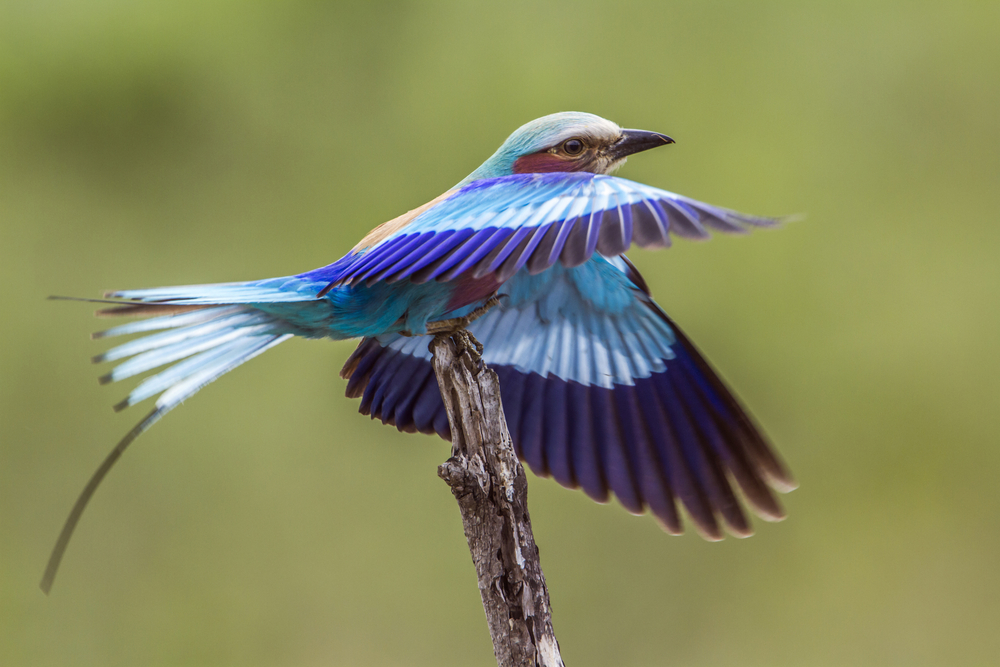
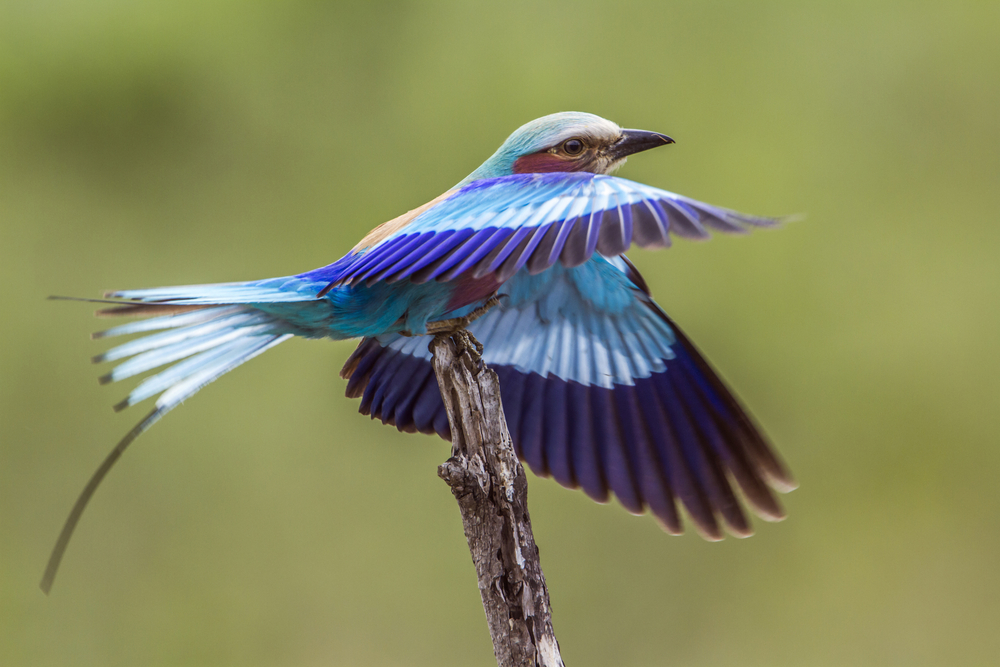
  2. Lilac-breasted Roller (Coracias caudatus): One of Africa’s most colorful birds, the Lilac-breasted Roller boasts vibrant plumage with shades of blue, green, and lilac. Its aerial acrobatics and habit of perching conspicuously on tree branches make it a favorite among birdwatchers.
  3. Southern Carmine Bee-eater (Merops nubicoides): With its striking crimson plumage and long, slender bill, the Southern Carmine Bee-eater is a captivating sight in Kruger. These social birds are often observed nesting in riverbanks and feeding on flying insects in aerial displays.
  4. African Jacana (Actophilornis africanus): The African Jacana is known for its long legs, allowing it to walk on lily pads and other aquatic vegetation. Its intricate black, white, and chestnut plumage and distinct red frontal shield make it a fascinating sight along Kruger’s waterways.
  5. Grey-headed Kingfisher (Halcyon leucocephala): Found near water sources, the Grey-headed Kingfisher is characterized by its blue-green plumage, rufous belly, and distinctive grey head. It perches patiently before diving headfirst to catch fish, insects, or small amphibians.
  6. Bateleur Eagle (Terathopius ecaudatus): The Bateleur Eagle is a striking raptor with a short tail, deep chestnut body, and contrasting black wings. Its name, derived from the French word for “tightrope walker,” describes its distinctive aerial displays as it soars over the savannah in search of prey.
  7. Southern Yellow-billed Hornbill (Tockus leucomelas): Recognizable by its long, curved yellow bill and black-and-white plumage, the Southern Yellow-billed Hornbill is a common sight in Kruger. It forages on the ground for insects and small vertebrates and is known for its distinctive cackling call.
  8. Woodland Kingfisher (Halcyon senegalensis): With its striking blue and white plumage and bold red bill, the Woodland Kingfisher is a conspicuous presence in Kruger’s woodlands and savannahs. It hunts from perches and dives to catch insects, small reptiles, and even small mammals.
  9. Pied Kingfisher (Ceryle rudis): Pied Kingfishers are often seen hovering over water bodies in Kruger, searching for prey. Their distinctive black-and-white plumage, crested head, and long, dagger-like bill make them easy to identify as they plunge into the water to catch fish.
  10. African Hoopoe (Upupa africana): The African Hoopoe is characterized by its distinctive “crown” of feathers, long, curved bill, and barred wings. It forages on the ground for insects and grubs, using its specialized bill to probe into the soil. Its distinctive “hoop-hoop-hoop” call is a familiar sound in Kruger’s woodlands

Things To Do

Engaging Kruger

Game Drives

Venture into the heart of Kruger National Park on exhilarating game drives, led by experienced guides.  You are also allowed to drive through the park in your own self-guided safari adventure.  One of the benefits of having a guide is the experience and skill they have to help find and spot the wildlife you hope to see.

Visitors can expect to witness iconic wildlife species, including the Big Five, as well as a plethora of other fascinating creatures such as giraffes, zebras, and various antelope species. The guides’ expert knowledge and tracking skills enhance the experience, ensuring memorable encounters with wildlife against the backdrop of stunning African landscapes.

Bush Walks

Delve deeper into the African wilderness on guided bush walks, accompanied by knowledgeable rangers.

Participants can expect an immersive experience, discovering hidden wonders of the bush, from tracking animal footprints to observing smaller creatures and medicinal plants up close.

The walks provide a unique perspective on the ecosystem, allowing visitors to connect with nature on a more intimate level while learning about the intricate interplay between flora and fauna.

Birdwatching

Embark on birdwatching excursions to explore Kruger’s rich avian diversity, which boasts over 500 species. Visitors can anticipate encounters with colorful kingfishers, majestic raptors, and rare endemic species while exploring diverse habitats such as riverbanks, woodlands, and grasslands.

Expert guides offer insights into bird behavior and identification, making it an ideal activity for both novice and experienced birdwatchers seeking to capture remarkable avian sightings and photographic opportunities.

Larger species like the African Fish Eagle to the smaller more colorful lilac-breasted roller keep bird loving enthusiasts entertained.

Photography Tours

Join specialized photographic safaris led by professional wildlife photographers to capture the park’s beauty through the lens.  These professionals serve as both safari guide and photographic coach.  The objective of these endeavors is to help you capture your perfect wildlife images.

Participants can expect personalized guidance on composition, lighting, and wildlife photography techniques while seeking out iconic subjects such as lions, elephants, and breathtaking landscapes.

With access to exclusive photography vantage points and expert advice, visitors can enhance their photography skills and create stunning images that capture the essence of Kruger’s wildlife and scenery.

Night Game Drives

Experience the thrill of the African night on guided night drives, where the park’s nocturnal inhabitants come to life. Visitors can anticipate encounters with elusive predators like leopards and hyenas, as well as fascinating nocturnal species such as bushbabies, genets, and owls.

Equipped with powerful spotlights, the guides illuminate the night, revealing the park’s hidden secrets and providing an unforgettable glimpse into the nocturnal world of Kruger National Park.

Nighttime game drives are intriguing adventures into the mystery of the night.  Along with the mystery, there is the hopes of seeing predators and other nocturnal species that get active for food.

Game Drives

Venture into the heart of Kruger National Park on exhilarating game drives, led by experienced guides.  You are also allowed to drive through the park in your own self-guided safari adventure.  One of the benefits of having a guide is the experience and skill they have to help find and spot the wildlife you hope to see.

Visitors can expect to witness iconic wildlife species, including the Big Five, as well as a plethora of other fascinating creatures such as giraffes, zebras, and various antelope species. The guides’ expert knowledge and tracking skills enhance the experience, ensuring memorable encounters with wildlife against the backdrop of stunning African landscapes.

Bush Walks

Delve deeper into the African wilderness on guided bush walks, accompanied by knowledgeable rangers.

Participants can expect an immersive experience, discovering hidden wonders of the bush, from tracking animal footprints to observing smaller creatures and medicinal plants up close.

The walks provide a unique perspective on the ecosystem, allowing visitors to connect with nature on a more intimate level while learning about the intricate interplay between flora and fauna.

Birdwatching

Embark on birdwatching excursions to explore Kruger’s rich avian diversity, which boasts over 500 species. Visitors can anticipate encounters with colorful kingfishers, majestic raptors, and rare endemic species while exploring diverse habitats such as riverbanks, woodlands, and grasslands.

Expert guides offer insights into bird behavior and identification, making it an ideal activity for both novice and experienced birdwatchers seeking to capture remarkable avian sightings and photographic opportunities.

Larger species like the African Fish Eagle to the smaller more colorful lilac-breasted roller keep bird loving enthusiasts entertained.

Photography Tours

Join specialized photographic safaris led by professional wildlife photographers to capture the park’s beauty through the lens.  These professionals serve as both safari guide and photographic coach.  The objective of these endeavors is to help you capture your perfect wildlife images.

Participants can expect personalized guidance on composition, lighting, and wildlife photography techniques while seeking out iconic subjects such as lions, elephants, and breathtaking landscapes.

With access to exclusive photography vantage points and expert advice, visitors can enhance their photography skills and create stunning images that capture the essence of Kruger’s wildlife and scenery.

Night Game Drives

Experience the thrill of the African night on guided night drives, where the park’s nocturnal inhabitants come to life. Visitors can anticipate encounters with elusive predators like leopards and hyenas, as well as fascinating nocturnal species such as bushbabies, genets, and owls.

Equipped with powerful spotlights, the guides illuminate the night, revealing the park’s hidden secrets and providing an unforgettable glimpse into the nocturnal world of Kruger National Park.

Nighttime game drives are intriguing adventures into the mystery of the night.  Along with the mystery, there is the hopes of seeing predators and other nocturnal species that get active for food.

Kruger National Park Trails

The wilderness trails have no guarantees of wildlife sightings and matter of fact sightings can be more challenging.  These trails are for exploring the wilderness and landscapes versus animal viewing.  The best chance of wildlife sightings is for some of the bigger species such as elephants.

placeholder

Bushmans Trail

This is a ranger-guided trek that involves two nights out in the bush.  It is located in the southern part of the park boundaries.

placeholder

Mathikithi Trail

This is another two-night trek that features rugged rock crops as part of the wilderness landscapes.

placeholder

Napi Trail

This three-day trail follows along a riverbed.  Keep your eyes open for wildlife visiting the rivers for drinks.

placeholder

Olifants Trail

This three-night trail meanders around the Olifant River.  There is a good chance of seeing hippopotamuses and crocodiles.  You should also keep your eyes open and toward the skies watching for the beautiful fish eagle.

placeholder

Nyalaland Trail

This is the most remote wilderness trail in Kruger.  The camp is nestled along the Madzaringwe River with towering cliffs of the Soutpansberg Mountains creating amazing landscapes.  This is another three-night excursion with opportunities to see wildlife, however, there are also historical rock paintings adding a cultural experience to your endeavor.  You can also capture a blast from history with fossilized dinosaur remains.

placeholder

Wolhuter Wilderness Trail

Rating: Moderate to Difficult

Distance and Elevation Gain: 20 miles (32 km) one way with minimal elevation gain

Description: The Wolhuter Wilderness Trail offers a multi-day trek through remote wilderness areas of Kruger National Park.

Named after legendary ranger Harry Wolhuter, the trail provides opportunities for wildlife sightings, including the Big Five, as hikers traverse diverse habitats such as savannahs and riverine forests.

Campsites along the trail offer rustic accommodations, immersing hikers in the sights and sounds of the African bush.

placeholder

Napi Wilderness Trail

Rating: Moderate

Distance and Elevation Gain: 15 miles (24 km) round trip with minimal elevation gain

Description: The Napi Wilderness Trail offers a scenic hike through the rugged landscapes of Kruger National Park’s central region.

Hikers will explore diverse ecosystems, encountering wildlife such as elephants, zebras, and giraffes along the way. Experienced guides lead the trail, providing insights into the park’s ecology and conservation efforts.

The trail offers a unique opportunity to experience the untamed wilderness of Kruger firsthand.

placeholder

Mphongolo Backpacking Trail

Rating: Moderate to Difficult

Distance and Elevation Gain: 25 miles (40 km) one way with minimal elevation gain

Description: The Mphongolo Backpacking Trail offers a challenging trek through the remote northern reaches of Kruger National Park.

Hikers will traverse rugged terrain and diverse habitats, encountering abundant wildlife including predators such as lions and leopards.

Campsites along the trail provide basic amenities, allowing hikers to immerse themselves in the sights and sounds of the African bush under the starlit sky.

placeholder

Bushman Trail

Rating: Easy to Moderate

Distance and Elevation Gain: 5 miles (8 km) loop with minimal elevation gain

Description: The Bushman Trail offers a leisurely walk through Kruger National Park’s southern grasslands, providing opportunities for wildlife sightings and birdwatching.

Hikers will meander along well-marked paths, enjoying panoramic views of the surrounding landscapes and distant horizons.

Interpretive signage along the trail offers insights into the park’s cultural heritage and the traditional ways of the San people who once inhabited the area.

placeholder

Sweni Wilderness Trail

Rating: Moderate

Distance and Elevation Gain: 12 miles (19 km) round trip with minimal elevation gain

Description: The Sweni Wilderness Trail offers a guided hike through the pristine wilderness of Kruger National Park’s southeastern region.

Hikers will explore riverine forests and open savannahs, encountering wildlife such as hippos, crocodiles, and a variety of bird species.

Experienced guides lead the trail, providing interpretation and ensuring a safe and enjoyable experience in the heart of the African bush.

placeholder

Wolhuter Wilderness Trail

Rating: Moderate to Difficult

Distance and Elevation Gain: 20 miles (32 km) one way with minimal elevation gain

Description: The Wolhuter Wilderness Trail offers a multi-day trek through remote wilderness areas of Kruger National Park.

Named after legendary ranger Harry Wolhuter, the trail provides opportunities for wildlife sightings, including the Big Five, as hikers traverse diverse habitats such as savannahs and riverine forests.

Campsites along the trail offer rustic accommodations, immersing hikers in the sights and sounds of the African bush.

placeholder

Napi Wilderness Trail

Rating: Moderate

Distance and Elevation Gain: 15 miles (24 km) round trip with minimal elevation gain

Description: The Napi Wilderness Trail offers a scenic hike through the rugged landscapes of Kruger National Park’s central region.

Hikers will explore diverse ecosystems, encountering wildlife such as elephants, zebras, and giraffes along the way. Experienced guides lead the trail, providing insights into the park’s ecology and conservation efforts.

The trail offers a unique opportunity to experience the untamed wilderness of Kruger firsthand.

placeholder

Mphongolo Backpacking Trail

Rating: Moderate to Difficult

Distance and Elevation Gain: 25 miles (40 km) one way with minimal elevation gain

Description: The Mphongolo Backpacking Trail offers a challenging trek through the remote northern reaches of Kruger National Park.

Hikers will traverse rugged terrain and diverse habitats, encountering abundant wildlife including predators such as lions and leopards.

Campsites along the trail provide basic amenities, allowing hikers to immerse themselves in the sights and sounds of the African bush under the starlit sky.

placeholder

Bushman Trail

Rating: Easy to Moderate

Distance and Elevation Gain: 5 miles (8 km) loop with minimal elevation gain

Description: The Bushman Trail offers a leisurely walk through Kruger National Park’s southern grasslands, providing opportunities for wildlife sightings and birdwatching.

Hikers will meander along well-marked paths, enjoying panoramic views of the surrounding landscapes and distant horizons.

Interpretive signage along the trail offers insights into the park’s cultural heritage and the traditional ways of the San people who once inhabited the area.

placeholder

Sweni Wilderness Trail

Rating: Moderate

Distance and Elevation Gain: 12 miles (19 km) round trip with minimal elevation gain

Description: The Sweni Wilderness Trail offers a guided hike through the pristine wilderness of Kruger National Park’s southeastern region.

Hikers will explore riverine forests and open savannahs, encountering wildlife such as hippos, crocodiles, and a variety of bird species.

Experienced guides lead the trail, providing interpretation and ensuring a safe and enjoyable experience in the heart of the African bush.

FAQ’s

What is Kruger most famous for?

Kruger National Park is most famous for its remarkable diversity of wildlife, including the iconic Big Five (lion, leopard, elephant, rhinoceros, and buffalo).

Spanning nearly two million hectares, the park offers unparalleled opportunities for wildlife viewing, attracting visitors from around the world.

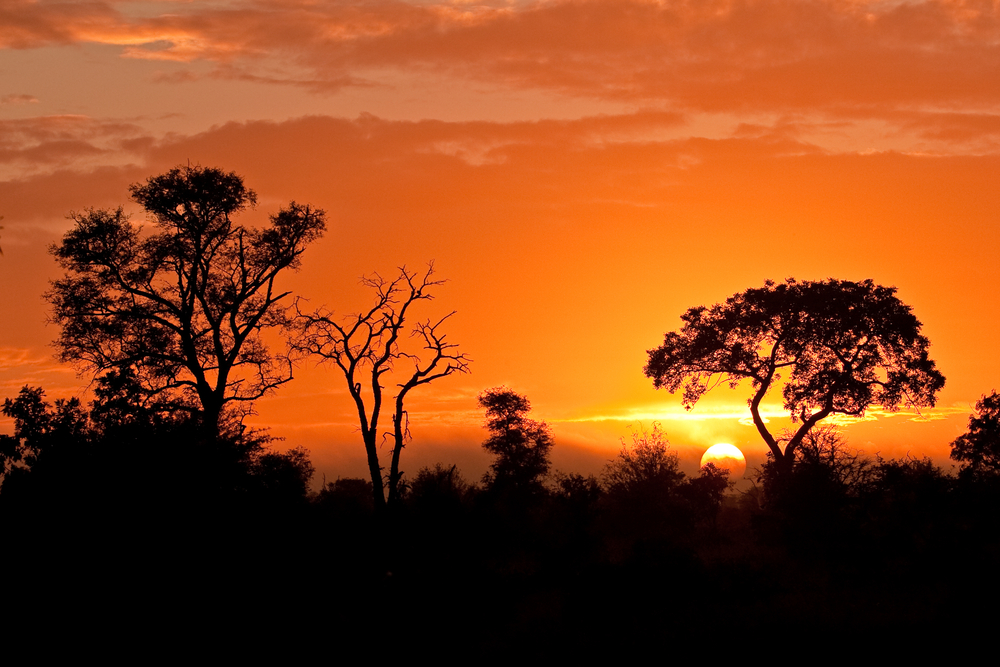
Its vast savanna landscapes, dotted with acacia trees and watering holes, provide a natural habitat for a wide range of species, making it one of Africa’s premier safari destinations.

Additionally, Kruger National Park is renowned for its conservation efforts and research initiatives, contributing to the preservation of South Africa’s rich biodiversity.

What is Kruger most famous for?

Kruger National Park is most famous for its remarkable diversity of wildlife, including the iconic Big Five (lion, leopard, elephant, rhinoceros, and buffalo).

Spanning nearly two million hectares, the park offers unparalleled opportunities for wildlife viewing, attracting visitors from around the world.

Its vast savanna landscapes, dotted with acacia trees and watering holes, provide a natural habitat for a wide range of species, making it one of Africa’s premier safari destinations.

Additionally, Kruger National Park is renowned for its conservation efforts and research initiatives, contributing to the preservation of South Africa’s rich biodiversity.

Sources