

About
Located in northwestern Rwanda, Volcanoes National Park protects one of Africa’s most famous mountain ecosystems and serves as a global center for mountain gorilla conservation. The park covers approximately 62 square miles (160 sq km) along the Virunga Mountains near the borders of Uganda and Democratic Republic of the Congo.
Volcanoes National Park connects directly with Virunga National Park and Mgahinga Gorilla National Park, creating a shared transboundary conservation landscape for endangered wildlife. The park lies near the city of Musanze and is one of Rwanda’s most celebrated natural destinations.
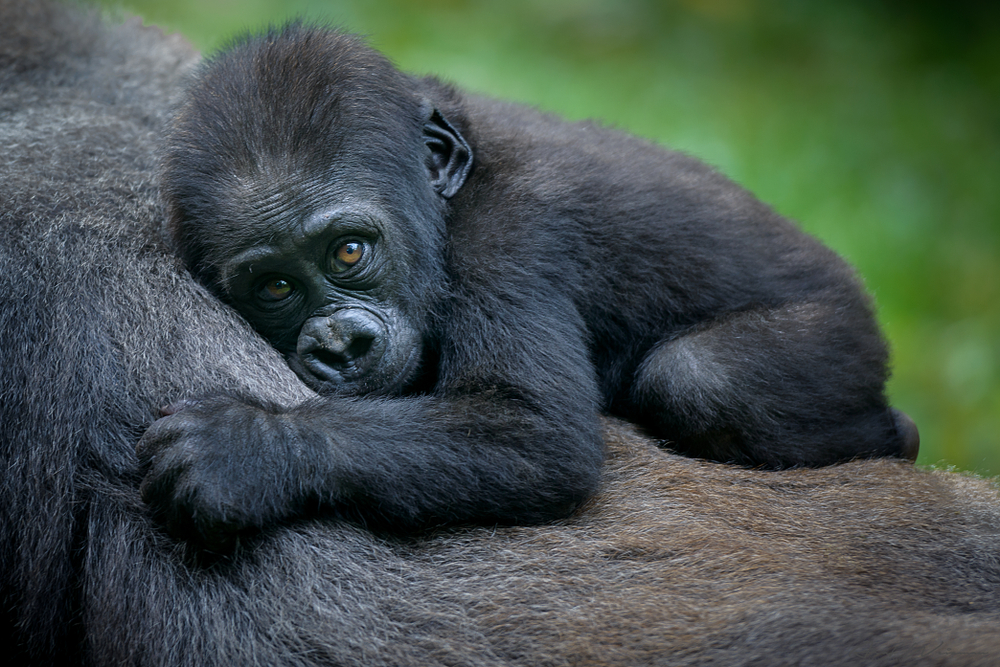
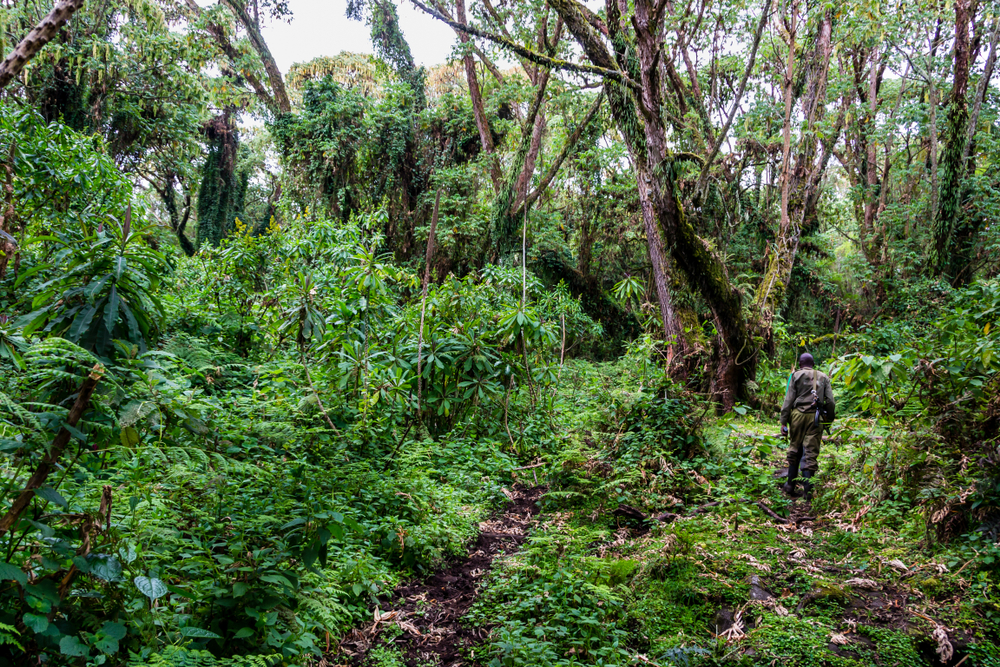
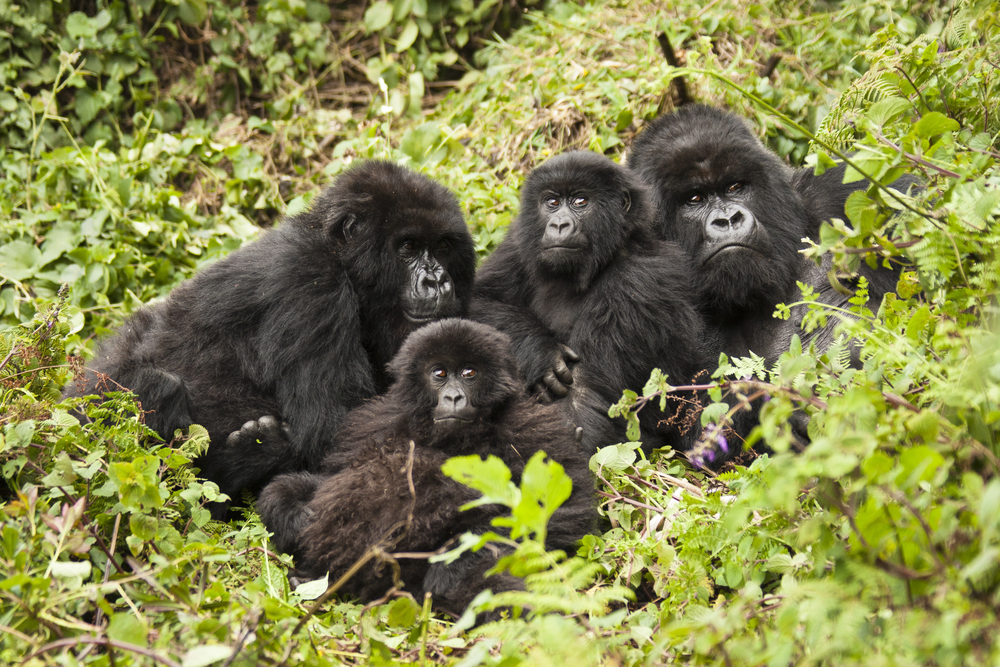
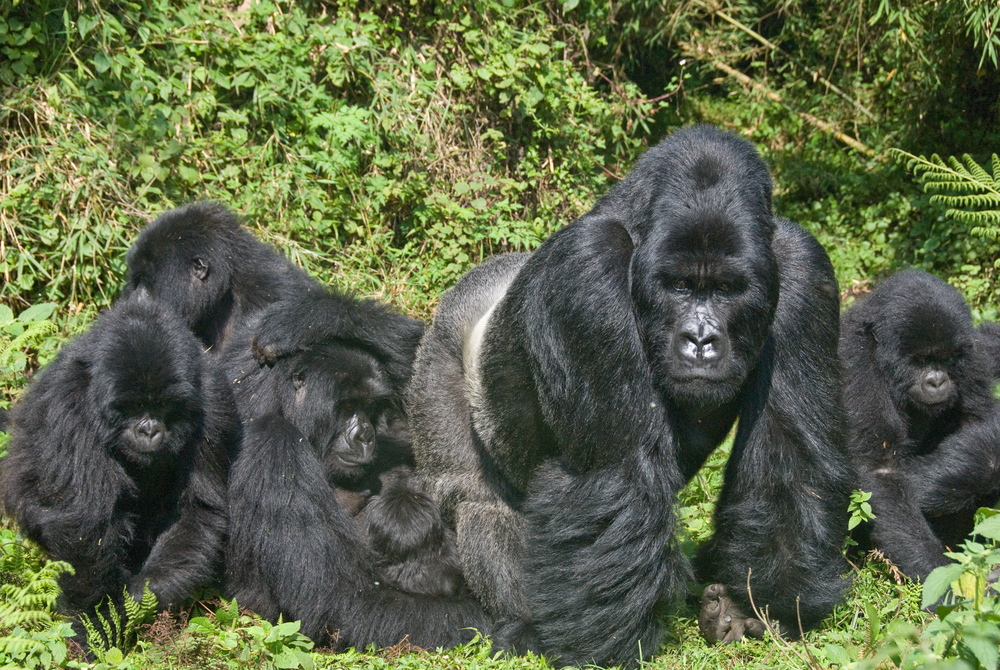
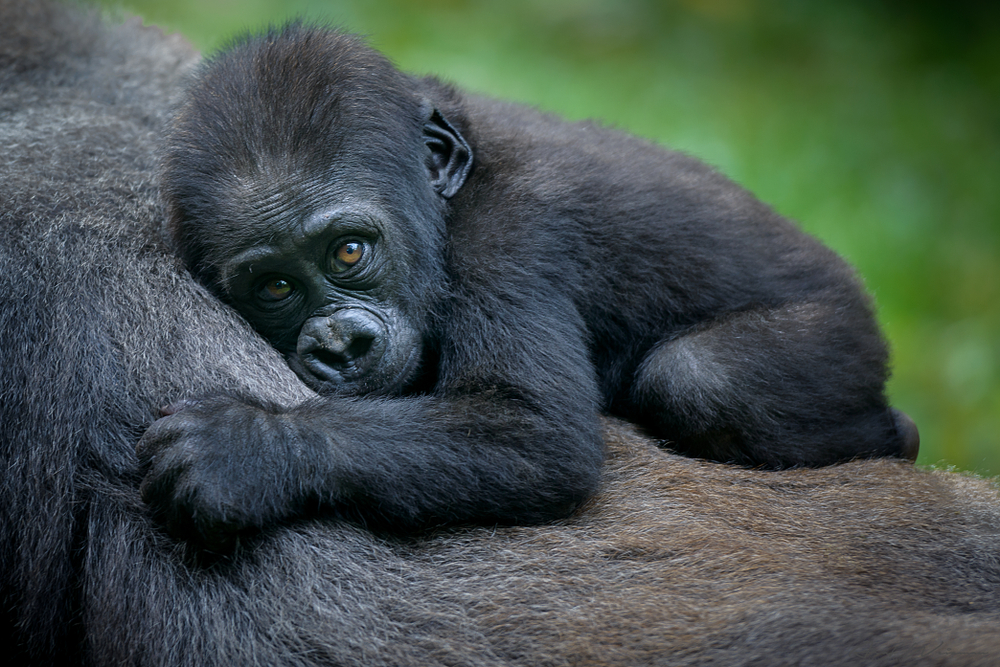
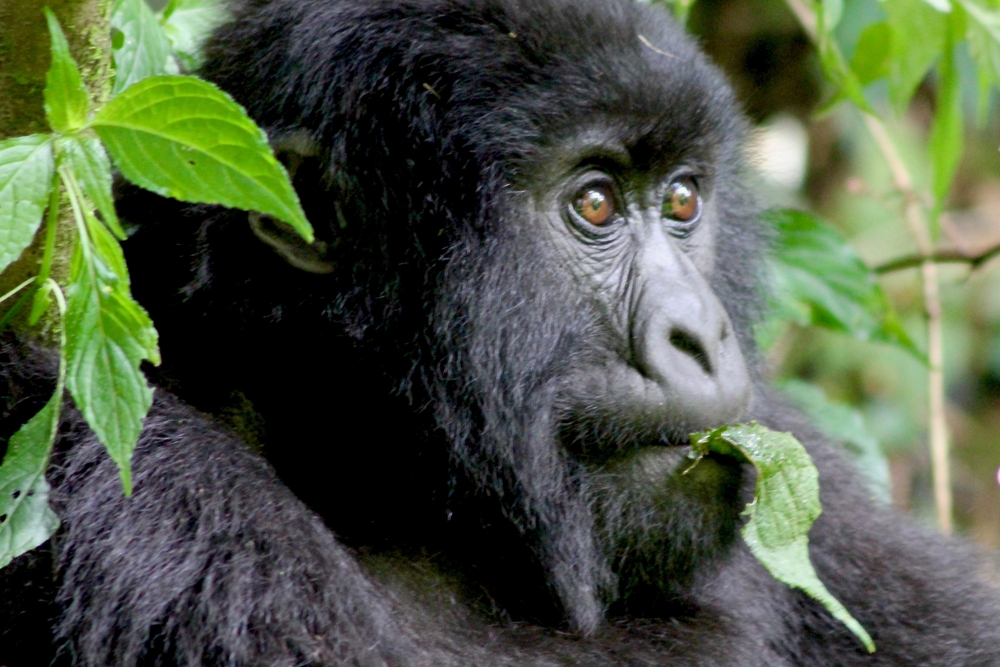
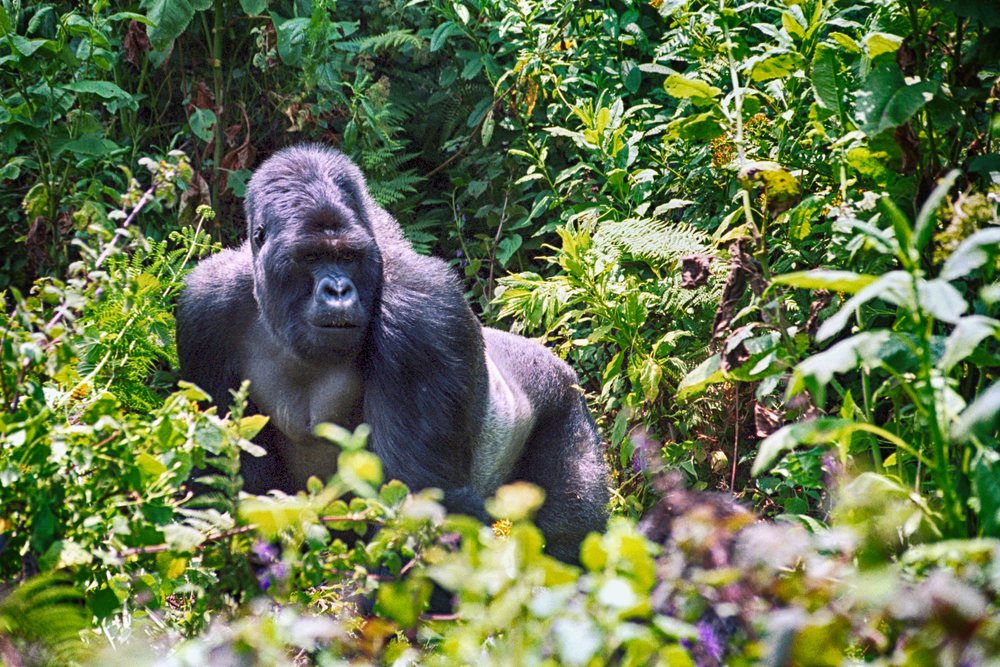
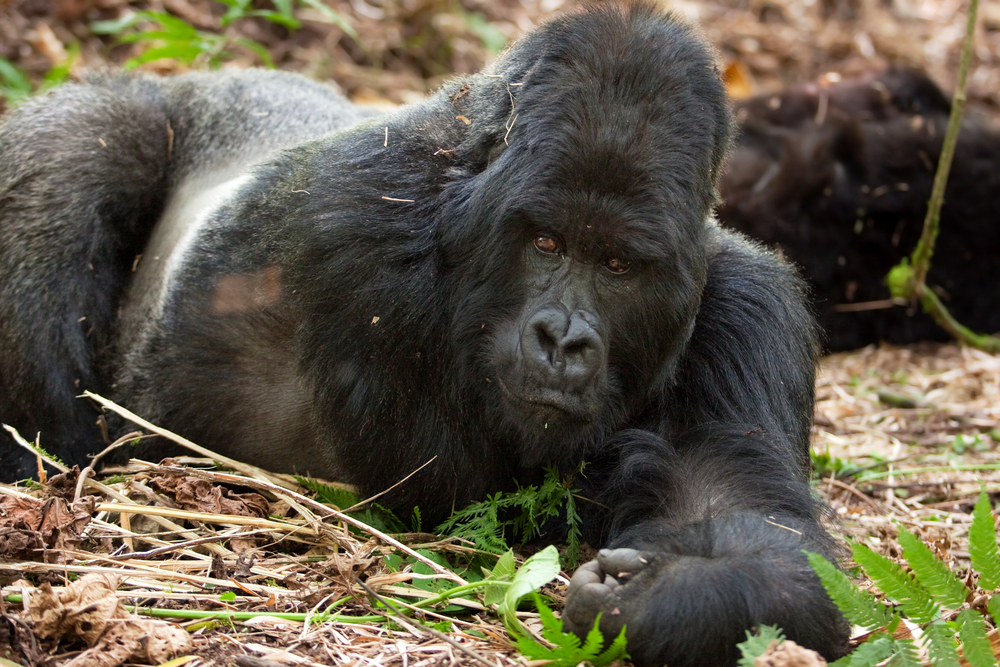
Volcanoes National Park is best known for its mountain gorillas and the unforgettable trekking experiences that bring visitors face-to-face with these endangered primates. Guided gorilla treks through misty bamboo forests have become one of Africa’s most sought-after wildlife experiences. Observing gorilla families interact in their natural environment is often described as deeply emotional and life-changing.
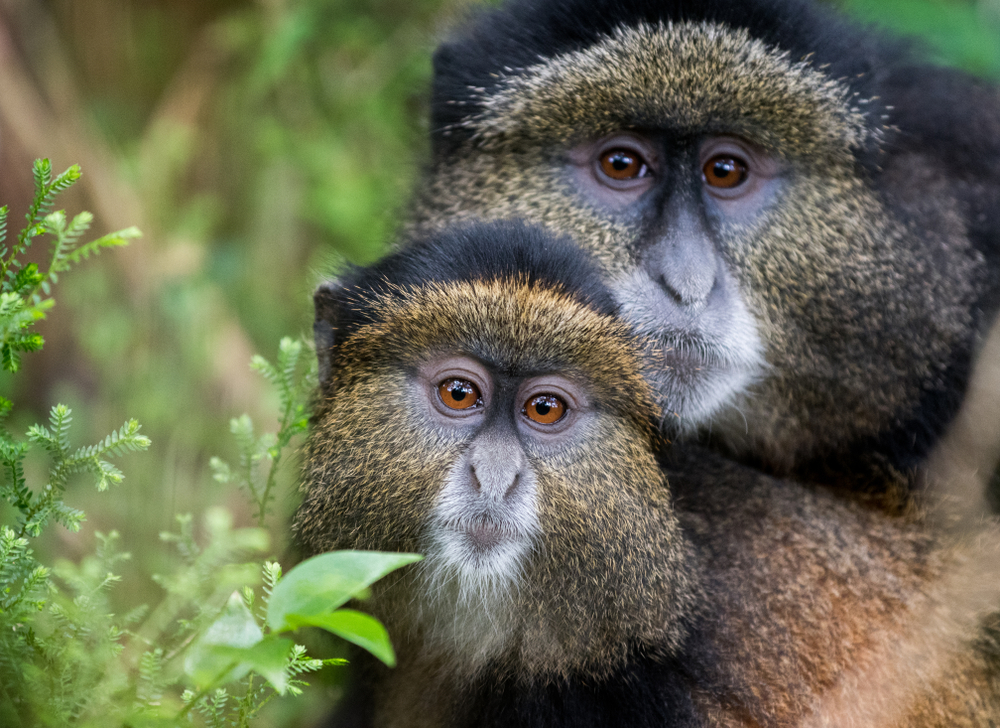
The park is also internationally associated with primatologist Dian Fossey, whose groundbreaking research and conservation work helped bring global attention to mountain gorilla protection. In addition to gorilla trekking, visitors explore volcanic trails, hike mountain peaks, and encounter golden monkeys moving through the forest canopy.
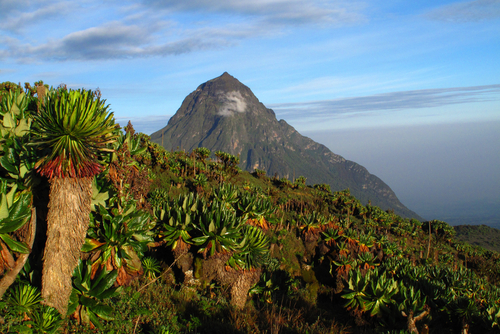
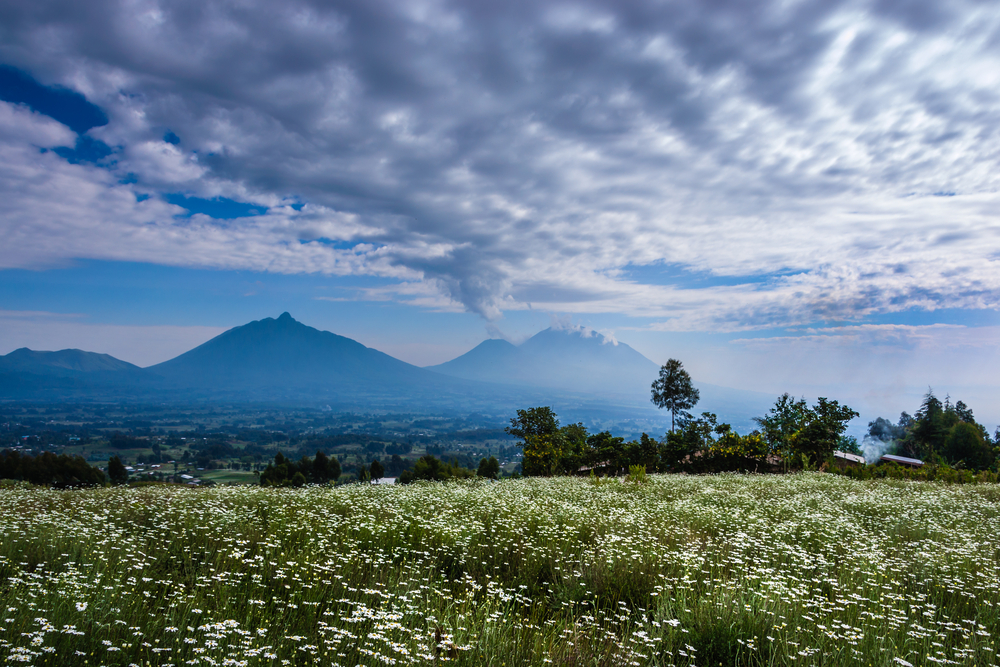
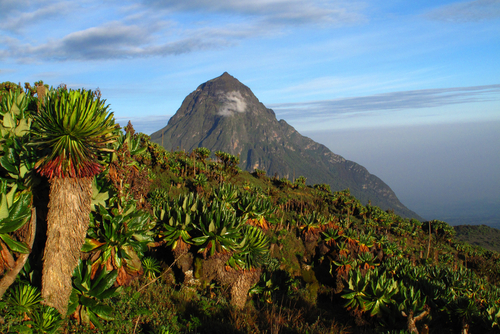
The geography of Volcanoes National Park is dominated by a chain of towering volcanic mountains covered in dense rainforest and bamboo vegetation. Five of the Virunga volcanoes rise within the park, including Mount Karisimbi, Rwanda’s highest peak at 14,787 feet (4,507 meters). The landscape features steep slopes, volcanic ridges, lava fields, moss-covered forests, and alpine meadows at higher elevations.
Frequent rainfall and cool mountain temperatures create lush vegetation that supports extraordinary biodiversity. Thick bamboo forests dominate lower elevations while giant lobelias, giant groundsels, and montane forests thrive higher on the volcanic slopes. Mist often blankets the mountains, giving the park a mysterious and dramatic atmosphere.
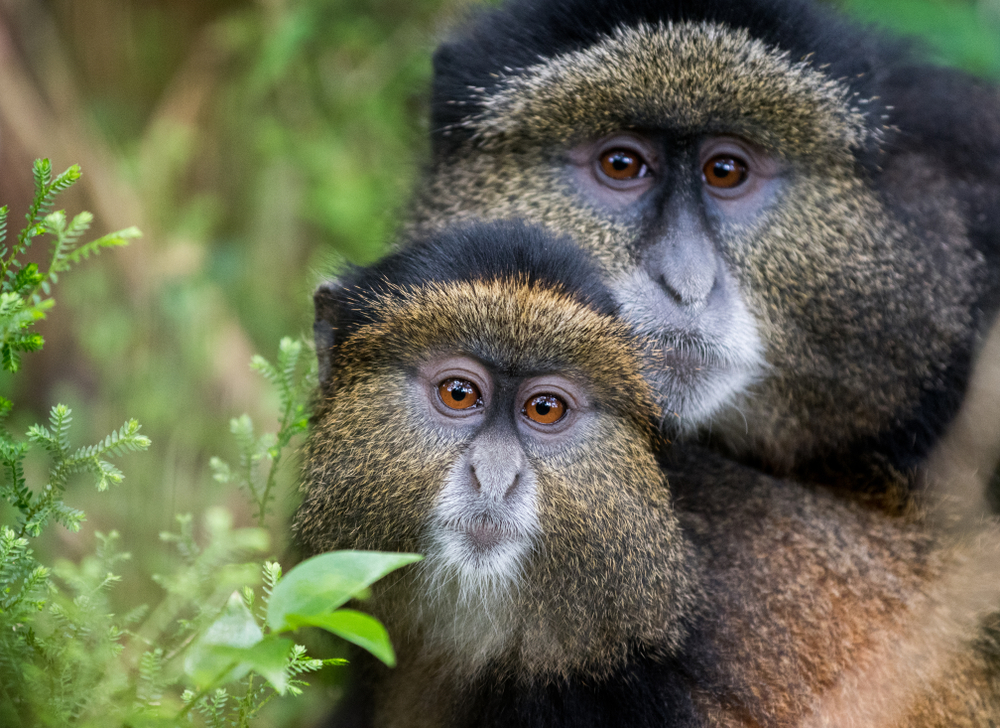
Wildlife in Volcanoes National Park is centered around its famous mountain gorillas, but the park also supports a variety of other species adapted to montane environments. Golden monkeys are among the most popular animals after gorillas and are frequently seen leaping through bamboo forests in energetic social groups.
Forest elephants, buffalo, bushbucks, and several small mammal species also inhabit the park, though they are less commonly observed due to dense vegetation. Birdlife is exceptional with more than 200 recorded species, including Albertine Rift endemics such as the Rwenzori turaco and handsome francolin. The park’s ecosystems support one of the richest concentrations of montane biodiversity in East Africa.
Volcanoes National Park plays a globally significant role in conserving endangered mountain gorillas and protecting fragile volcanic ecosystems. Conservation efforts here have helped mountain gorilla populations slowly recover after decades of decline caused by habitat loss and poaching. The park also supports ecotourism programs that contribute directly to local communities and conservation funding.
Compared to other gorilla destinations such as Bwindi Impenetrable National Park, Volcanoes National Park offers a uniquely volcanic landscape combined with some of Africa’s most accessible gorilla trekking experiences. Its combination of wildlife, conservation history, and dramatic mountain scenery makes it one of the continent’s most important protected areas. Volcanoes National Park remains a symbol of Rwanda’s conservation success and a powerful example of how wildlife protection can inspire global environmental stewardship.
Photos
Things to See
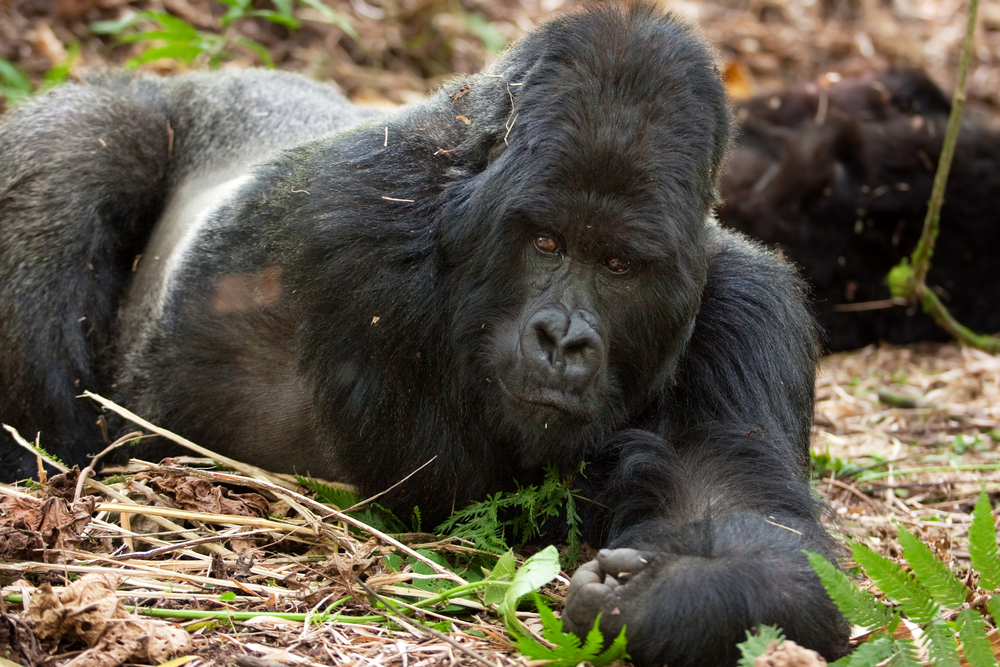
 The primary reason that anyone travels to Volcanoes National Park is to experience the mountain gorillas. It is one of the few places where the mountain gorilla, one of Africa’s Big 7, can be seen. It is awe-inspiring to encounter these magnificent creatures up close.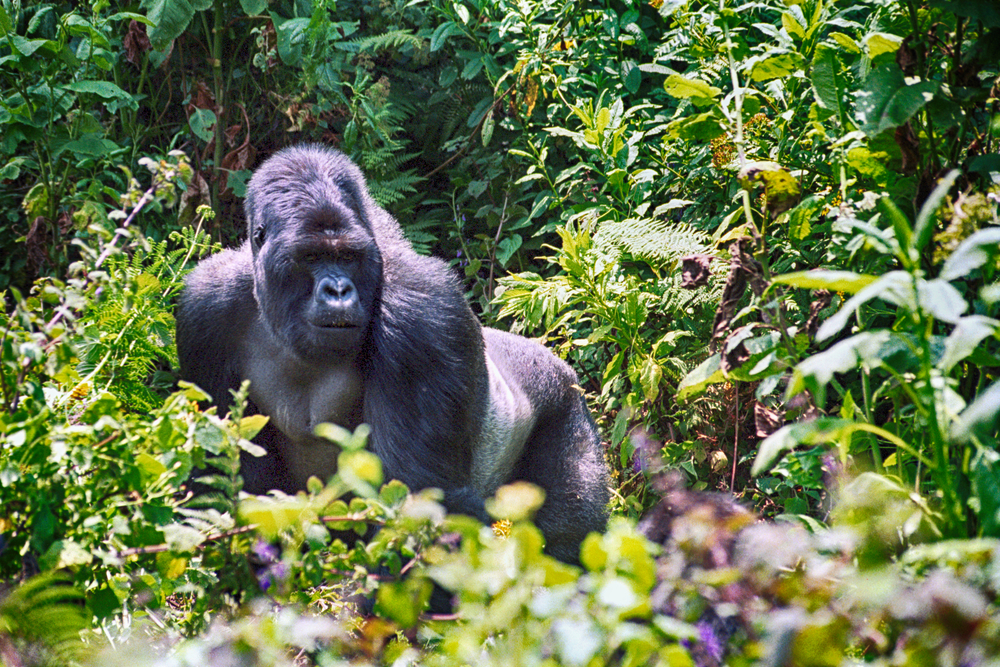
Things To Do
Engaging Volcanoes National Park
Volcanoes National Park Trails
The majority of people are looking to experience the mountain gorillas. This is accomplished by trekking on one of the guided safari adventures that are available. However, there are other trails that visitors may explore in the national park. Only four of the volcanoes in the park allow for hiking.

Park Protection
Volcanoes National Park was created to protect the volcanic mountains, montane forests, bamboo zones, and alpine ecosystems of Rwanda’s Virunga Massif. The park provides critical habitat for the endangered mountain gorilla, one of the world’s rarest great apes. More than a third of the global mountain gorilla population lives within the Virunga conservation landscape, making the park one of the most important primate conservation areas on Earth. The park also supports other species of conservation concern, including the golden monkey, spotted hyena, bushbuck, and numerous Albertine Rift endemic birds found only within this biodiversity hotspot.
The park is especially significant for protecting five volcanic peaks of the Virunga Mountains and the unique high-elevation habitats that support an exceptional concentration of endemic wildlife. Its forests have become a global symbol of successful conservation through decades of mountain gorilla protection and research. Few protected areas anywhere in the world are as closely associated with the survival of a single iconic endangered species. Together, Volcanoes National Park safeguards endangered mountain gorillas, rare Albertine Rift wildlife, volcanic mountain ecosystems, and one of Africa’s most important centers of biodiversity.
FAQ’s
What is Volcanoes National Park known for?
Volcanoes National Park is home to approximately half of the world’s remaining mountain gorillas, making it one of the best places in the world for gorilla trekking. Visitors to the park have the unique opportunity to embark on guided treks through the dense rainforest to observe these magnificent primates in their natural habitat. The experience of encountering a wild mountain gorilla face-to-face is often described as a once-in-a-lifetime and profoundly moving experience.
In addition to mountain gorillas, Volcanoes National Park is home to other primate species, including golden monkeys, as well as a variety of bird species and small mammals. The park’s lush rainforest, scenic volcanoes, and breathtaking views also attract nature lovers and outdoor enthusiasts from around the world.
Beyond its wildlife, Volcanoes National Park holds cultural significance as well. It is part of the traditional homeland of the indigenous Batwa people, who have lived in harmony with the forest for generations. Visitors to the park can learn about the Batwa’s rich cultural heritage and their traditional way of life through cultural experiences and community tourism initiatives.
Overall, Volcanoes National Park offers a unique combination of natural beauty, incredible wildlife encounters, and cultural experiences, making it one of Rwanda’s premier tourist destinations and a must-visit for anyone interested in conservation and ecotourism.
What is the main reason people visit Volcanoes National Park?
Volcanoes National Park is primarily visited for its world-famous mountain gorilla trekking experiences, volcanic landscapes, rare wildlife, and conservation success stories. Located in northwestern Rwanda along the borders of Uganda and Democratic Republic of the Congo, the park protects approximately 62 square miles (160 square kilometers) of montane rainforest, bamboo forest, and volcanic terrain within the greater Virunga Mountains ecosystem.
Visitors come to observe endangered mountain gorillas, trek through lush forests, climb volcanoes, and experience one of Africa’s most celebrated conservation destinations.
What animals can visitors hope to see in Volcanoes National Park?
Volcanoes National Park supports more than 75 mammal species and is internationally renowned for its endangered mountain gorillas.
Some of the most notable animals found in Volcanoes National Park include:
- Mountain Gorilla
- Golden Monkey
- Eastern Chimpanzee (rare visitor)
- Black-and-White Colobus Monkey
- L’Hoest’s Monkey
- Blue Monkey
- Olive Baboon
- Vervet Monkey
- Side-striped Jackal
- African Golden Cat
- Serval
- African Civet
- Large-spotted Genet
- African Wildcat
- Egyptian Mongoose
- Marsh Mongoose
- Slender Mongoose
- Honey Badger
- Spotted Hyena
- Bushpig
- Giant Forest Hog
- Bushbuck
- Black-fronted Duiker
- Red Duiker
- Yellow-backed Duiker
- Forest Buffalo
- Forest Elephant (historically present, now very rare)
- African Clawless Otter
- Tree Hyrax
- Rock Hyrax
- African Brush-tailed Porcupine
- Giant Pouched Rat
- Cane Rat
- African Dormouse Species
- Shrew Species
- Fruit Bat Species
- Horseshoe Bat Species
- Leaf-nosed Bat Species
- Pipistrelle Species
- Mole Rat Species
- Reedbuck
- Waterbuck (occasional)
- African Hare
- Forest Squirrel Species
- Forest Mouse Species
- Chameleon Species
- Tree Frog Species
- Reed Frog Species
- Forest Toad Species
- Various Endemic Amphibians and Reptiles
What birds can visitors hope to see in Volcanoes National Park?
Volcanoes National Park is home to more than 200 bird species, including numerous Albertine Rift endemics found in only a few locations in Central Africa.
Some of the most popular birds seen in Volcanoes National Park include:
- Rwenzori Turaco
- Handsome Francolin
- Archer’s Robin-Chat
- Dusky Crimsonwing
- Strange Weaver
- Rwenzori Double-collared Sunbird
- Regal Sunbird
- Collared Apalis
- Mountain Yellow Warbler
- Grauer’s Swamp Warbler
- Red-faced Woodland Warbler
- Rwenzori Batis
- Stripe-breasted Tit
- Dusky Turtle Dove
- White-tailed Blue Flycatcher
- Blue-headed Sunbird
- Northern Double-collared Sunbird
- Bronze Sunbird
- Scarlet-tufted Sunbird
- Olive Pigeon
- African Green Pigeon
- Cinnamon Bracken Warbler
- Grauer’s Rush Warbler
- White-starred Robin
- Equatorial Akalat
- Mountain Masked Apalis
- Mountain Illadopsis
- White-browed Crombec
- Rwenzori Nightjar
- African Crowned Eagle
- Mountain Buzzard
- African Goshawk
- Augur Buzzard
- African Harrier-Hawk
- Verreaux’s Eagle
- African Wood Owl
- Bar-tailed Trogon
- Narina Trogon
- Ross’s Turaco
- Great Blue Turaco
- Cinnamon-chested Bee-eater
- African Black Duck
- Mountain Wagtail
- Yellow-billed Kite
- Thick-billed Seedeater
- African Hill Babbler
- Brown Woodland Warbler
- Red-throated Alethe
- White-eyed Slaty Flycatcher
- Mountain Oriole
Is Volcanoes National Park worth visiting?
Yes, Volcanoes National Park is absolutely worth visiting and is considered one of Africa’s premier wildlife destinations.
The park offers one of the world’s most extraordinary wildlife experiences—encountering endangered mountain gorillas in their natural habitat. Visitors can also observe golden monkeys, explore volcanic landscapes, hike mountain trails, and learn about one of conservation’s greatest success stories.
The primary hesitation is the cost of gorilla trekking permits, which are among the most expensive wildlife permits in Africa. However, many visitors consider the experience to be one of the most memorable wildlife encounters on Earth.
What is the best time to visit Volcanoes National Park?
Weather and Climate
The best time to visit Volcanoes National Park is during Rwanda’s dry seasons:
- June through September
- December through February
Typical conditions include:
- Dry season: 50–75°F (10–24°C)
- Wet season: 50–70°F (10–21°C)
During the dry season:
- Trails are easier to navigate.
- Gorilla trekking conditions improve.
- Hiking is more comfortable.
- Photography conditions are often better.
- Volcano climbs are more accessible.
Because of the park’s high elevation, rain is possible year-round.
How many days do you need to visit Volcanoes National Park?
Recommended Length of Stay
Many visitors come for the day to take advantage of a gorilla trek. However, to experience the park in full, most visitors should plan for 2 to 4 days.
- 1 day: Gorilla trekking.
- 2 days: Gorilla trekking and golden monkey tracking.
- 3 days: Additional hiking and cultural experiences.
- 4+ days: Volcano climbing and comprehensive exploration.
A minimum of two days is recommended.
How do you get to Volcanoes National Park?
International Access
Volcanoes National Park is located near:
- Musanze
The primary international gateway is:
- Kigali International Airport
Most visitors:
- Fly into Kigali.
- Travel north by vehicle.
- Arrive at Musanze.
- Continue to park headquarters.
Driving from Kigali
The most common route is:
- Kigali to Volcanoes National Park.
Travel time:
- Approximately 2.5–3 hours by road.
The journey is considered one of the most scenic drives in Rwanda.
Kinigi Headquarters
Most activities begin at:
- Kinigi Park Headquarters
This is where visitors:
- Check in for gorilla trekking.
- Receive briefings.
- Meet guides and trackers.
- Join trekking groups.
Gorilla Trekking
The park’s most famous activity is:
- Mountain gorilla trekking.
Visitors hike into the forest with expert guides to observe habituated gorilla families for approximately one hour.
Golden Monkey Tracking
Another popular activity is:
- Golden monkey tracking.
Visitors can observe these endangered primates in bamboo forests throughout the park.
Virunga Volcanoes
The park contains several famous volcanoes, including:
- Mount Karisimbi
- Mount Bisoke
- Mount Muhabura
- Mount Gahinga
- Mount Sabyinyo
Dian Fossey Research Site
One of the park’s most important historical attractions is:
- Dian Fossey Grave and Research Center
Visitors can learn about the pioneering conservation work of Dian Fossey.
Travel Times
Typical travel times include:
- Kigali to Musanze: approximately 2.5 hours.
- Musanze to park headquarters: approximately 20–30 minutes.
- Gorilla trekking duration: 2–8 hours depending on gorilla location.
- Mount Bisoke hike: approximately 6–7 hours round trip.
- Mount Karisimbi trek: typically 2 days.
Who is involved in protecting and supporting Volcanoes National Park?
Conservation and Park Management
Several organizations help protect and support Volcanoes National Park:
- Rwanda Development Board – manages Volcanoes National Park.
- Dian Fossey Gorilla Fund – supports gorilla research and conservation.
- International Gorilla Conservation Programme – supports mountain gorilla conservation.
- African Wildlife Foundation – supports regional conservation initiatives.
- Local communities surrounding the park that participate in conservation and tourism programs.
How many mountain gorillas live in Volcanoes National Park?
Volcanoes National Park protects a significant portion of the global mountain gorilla population within the larger Virunga ecosystem, which supports more than 600 mountain gorillas. Individual numbers within the park vary as gorilla groups move across international boundaries.
What makes Volcanoes National Park unique?
Volcanoes National Park is unique because it offers one of the world’s rarest wildlife experiences: observing endangered mountain gorillas in their natural habitat. Combined with the spectacular Virunga volcanoes, rare golden monkeys, cloud forests, and the legacy of Dian Fossey’s conservation work, the park represents one of the most important and inspiring wildlife conservation success stories on Earth.
Sources
- Britannica, Mountain Gorilla, https://www.britannica.com/animal/mountain-gorilla, retrieved June 2020.
- East Africa Trails, Volcano Hiking in Rwanda, http://www.eastafricantrails.com/volcano-hiking-in-rwanda/, retrieved June 2020.
- Peakbagger, Muhabura, https://www.peakbagger.com/peak.aspx?pid=11164, retrieved June 2020.
- Peakbagger, Volcan Karisimbi, https://www.peakbagger.com/peak.aspx?pid=11172, retrieved June 2020.
- Uganda Wildlife Authority, The Virunga Mountains, https://www.ugandawildlife.org/areas-of-interest-mgnp, retrieved June 2020.
- Visit Rwanda, Volcanoes National Park, https://www.visitrwanda.com/destinations/volcanoes-national-park/, retrieved June 2020.
- Volcanoes National Park Rwanda, https://www.volcanoesnationalparkrwanda.com/, retrieved July 2019.
- Volcanoes Rwanda, Volcanoes National Park, https://www.volcanoesrwanda.org/, retrieved July 2019.
- Wikipedia, Mount Sabyinyo, https://en.wikipedia.org/wiki/Mount_Sabyinyo, retrieved June 2020.