About

Etosha National Park is located in northern Namibia and covers approximately 8,600 square miles (22,270 sq km), making it one of the largest national parks in Africa. The park is centered around the immense Etosha Pan, a vast salt flat so large it can often be seen from space.

Although it does not directly border another national park, Etosha forms part of a broader network of protected lands and wildlife corridors across southern Africa. Its remote landscapes, open horizons, and concentration of wildlife around water sources have made it one of the continent’s most celebrated safari destinations.

Etosha is best known for the enormous white salt pan that dominates much of the park’s interior. During the dry season, the pan appears as a seemingly endless expanse of shimmering white earth stretching toward the horizon, creating a stark and dramatic landscape unlike almost anywhere else in Africa.

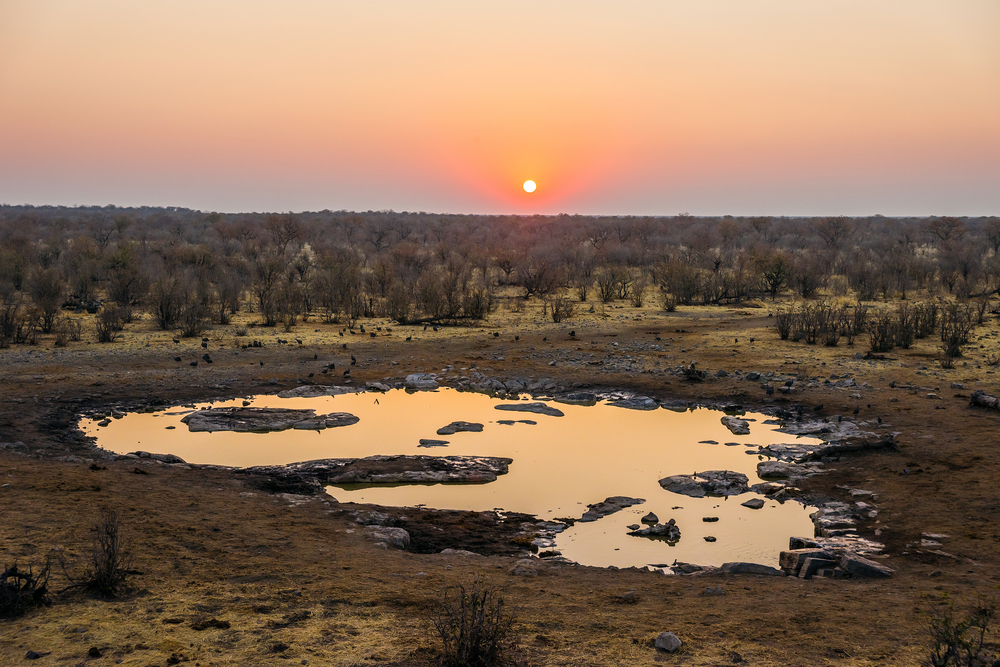
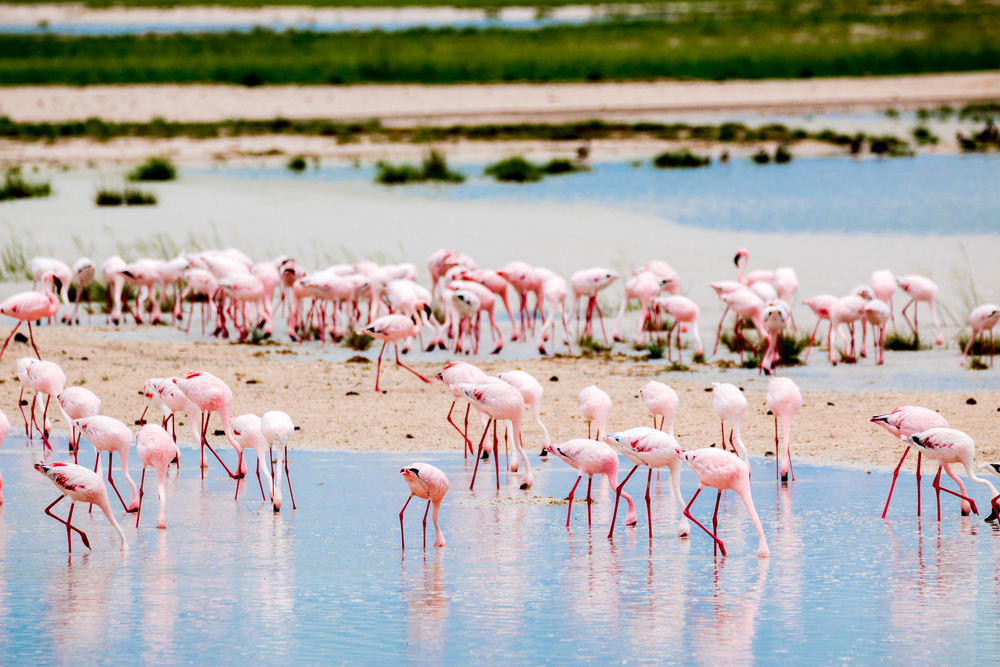
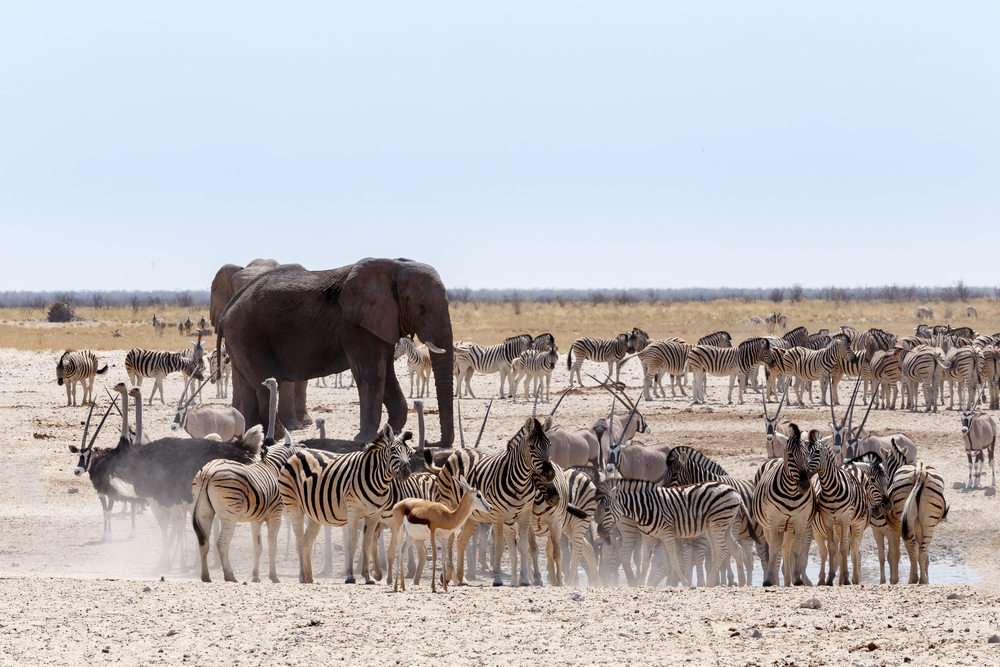
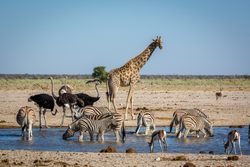
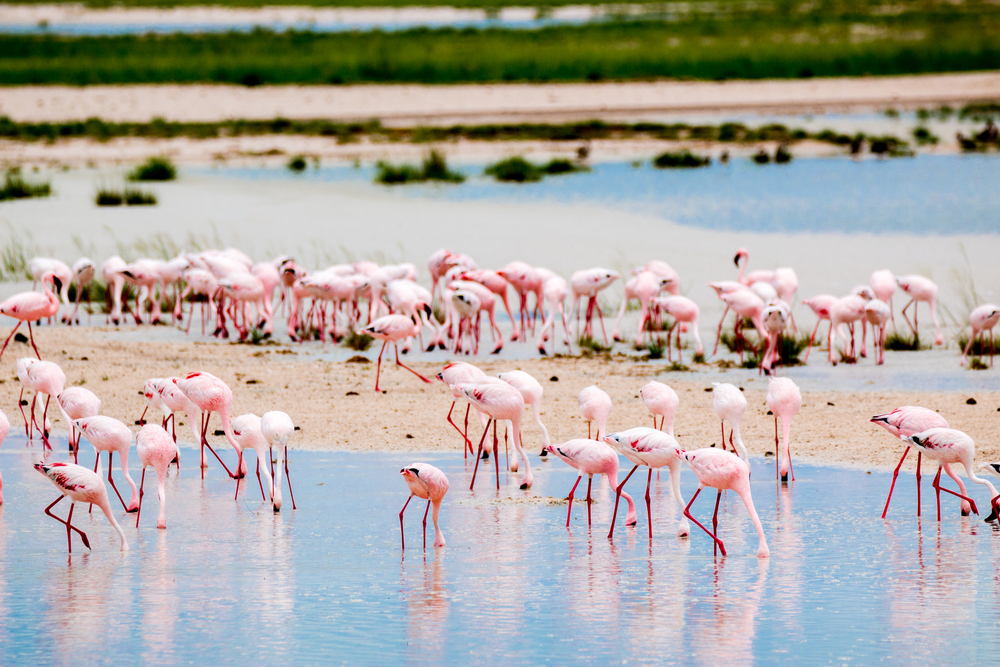
Seasonal rains occasionally flood portions of the pan, attracting flamingos and other waterbirds in remarkable numbers. The park is equally famous for its exceptional waterhole wildlife viewing, where animals gather from across the surrounding plains and woodlands, offering visitors extraordinary opportunities to observe interactions between species in a relatively open environment.

The geography of Etosha National Park is defined by contrasts between the barren salt pan and the more vegetated outer regions. Surrounding the pan are savannas, grasslands, mopane woodlands, and sparse thorn scrub that support a wide variety of wildlife. T

he dry climate and limited water sources shape the movement and behavior of animals throughout the year, particularly during the long dry season when permanent waterholes become focal points for life. Dusty plains and open terrain allow for sweeping visibility, while occasional clusters of trees and shrubs provide shade and shelter in an otherwise harsh environment.

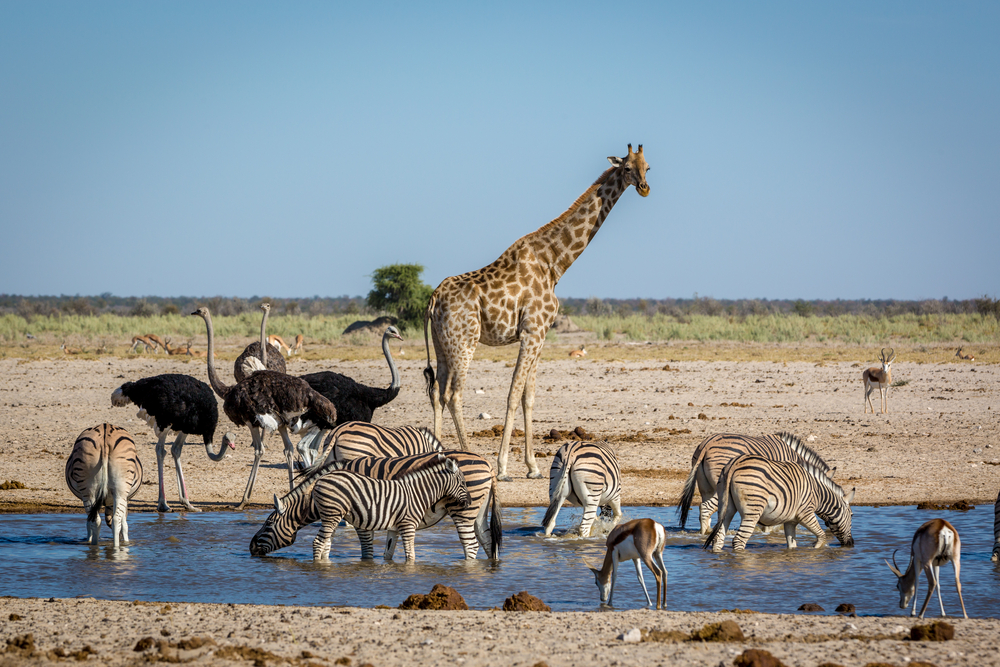
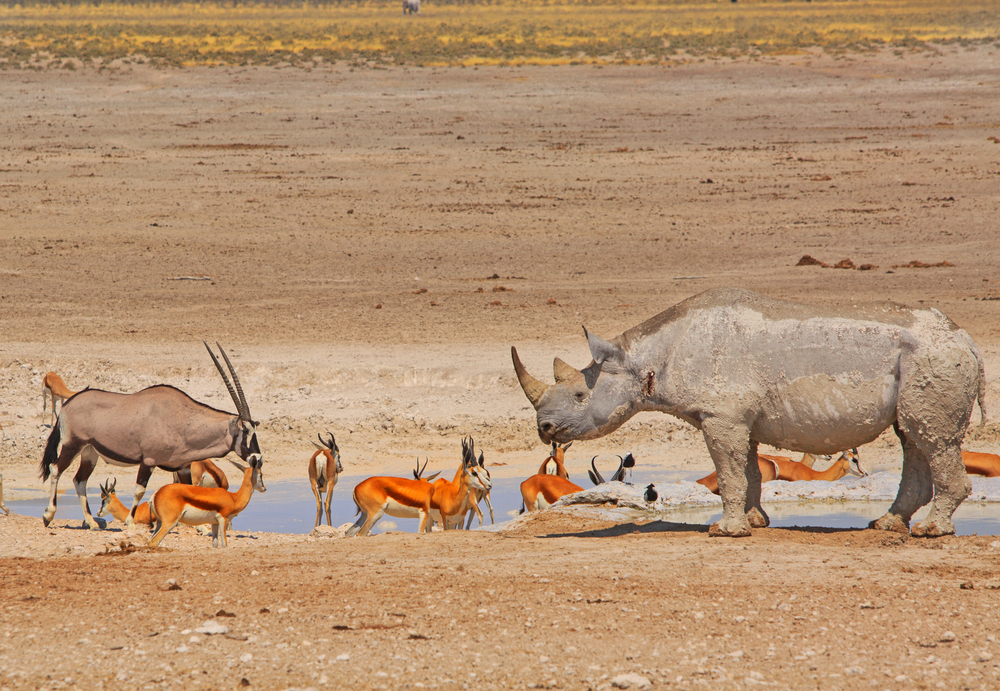
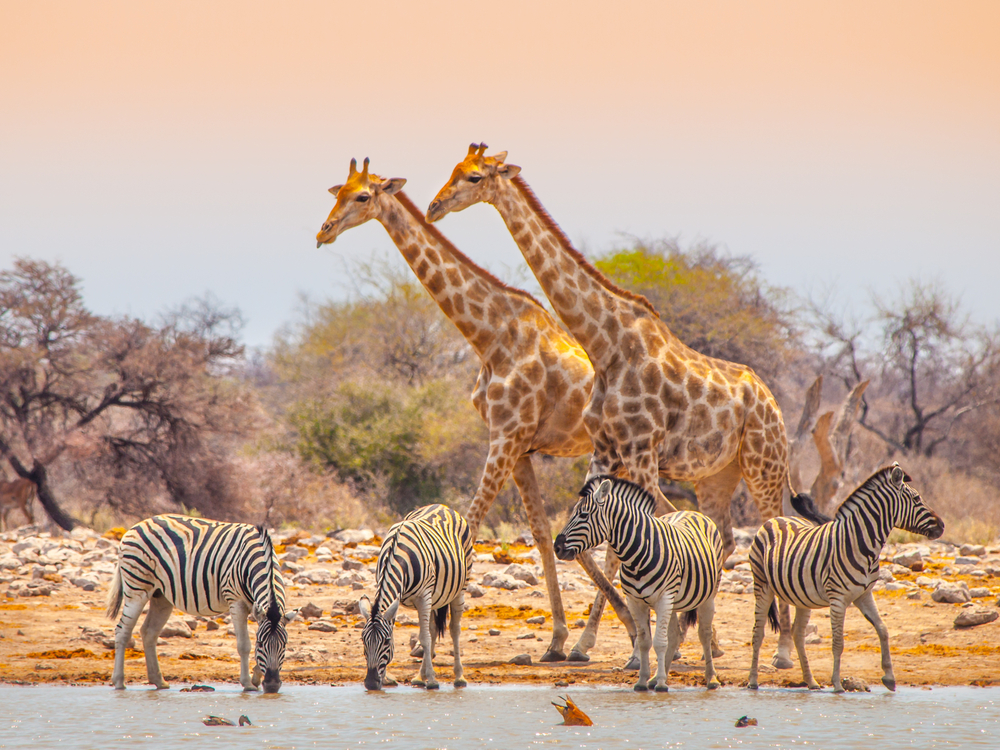
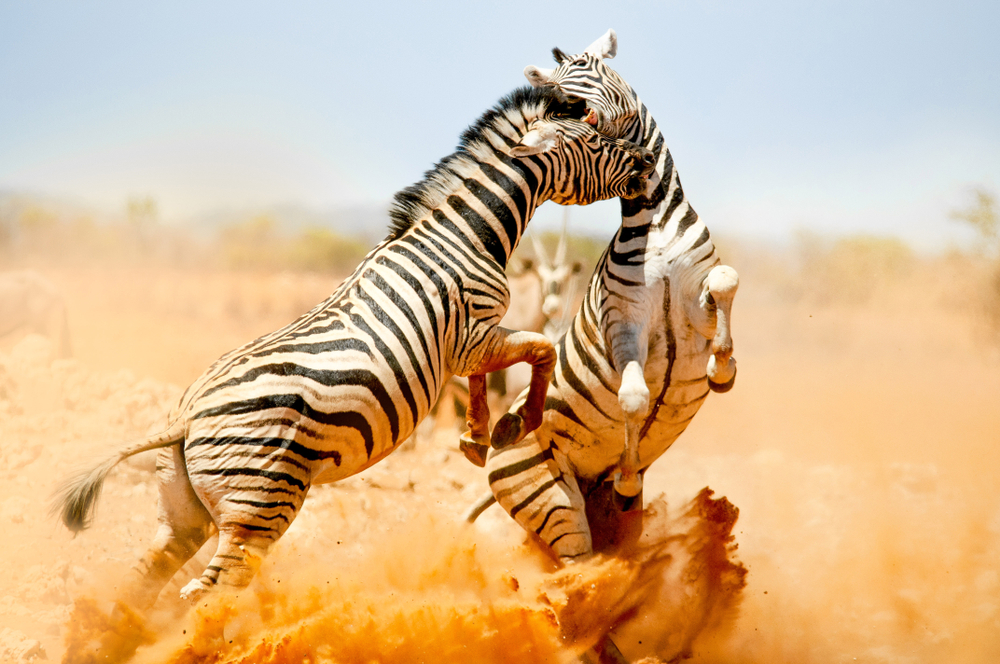
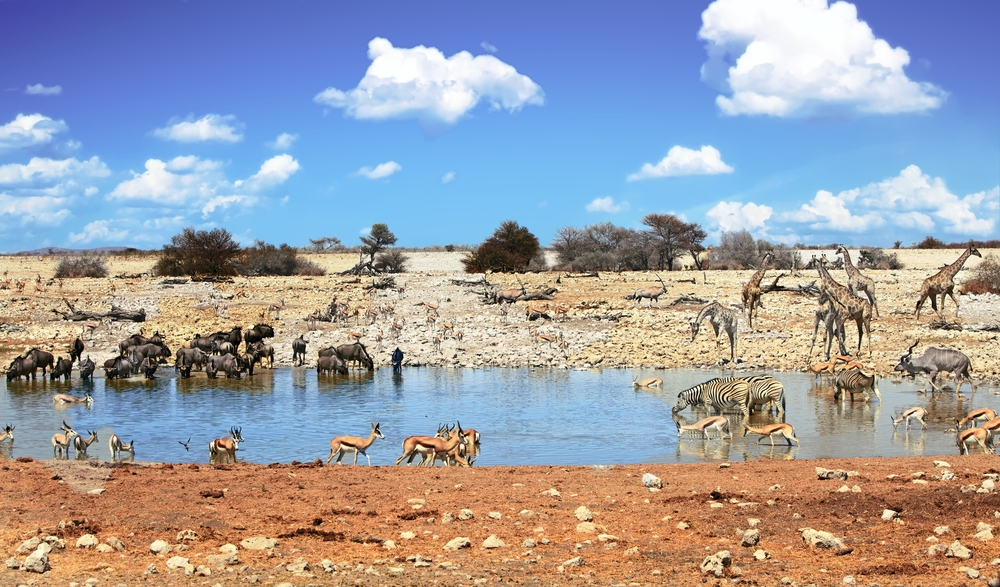
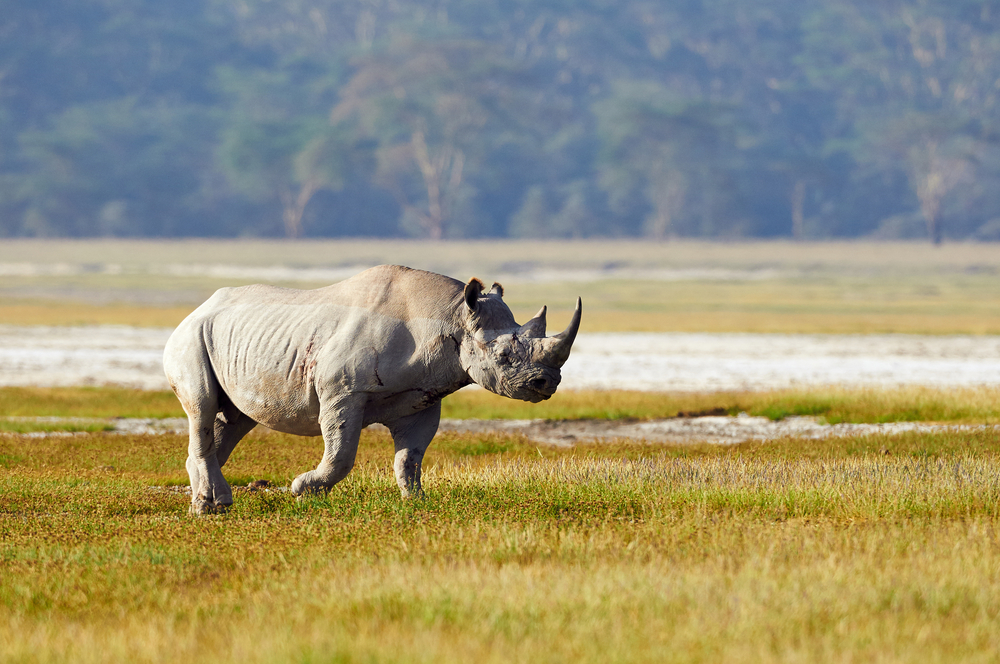
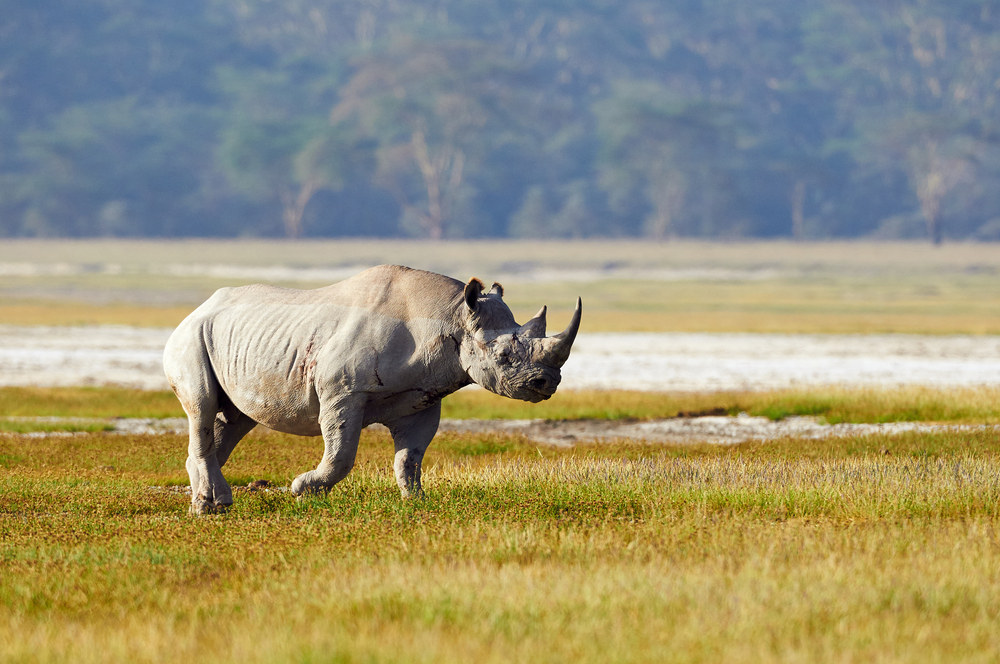
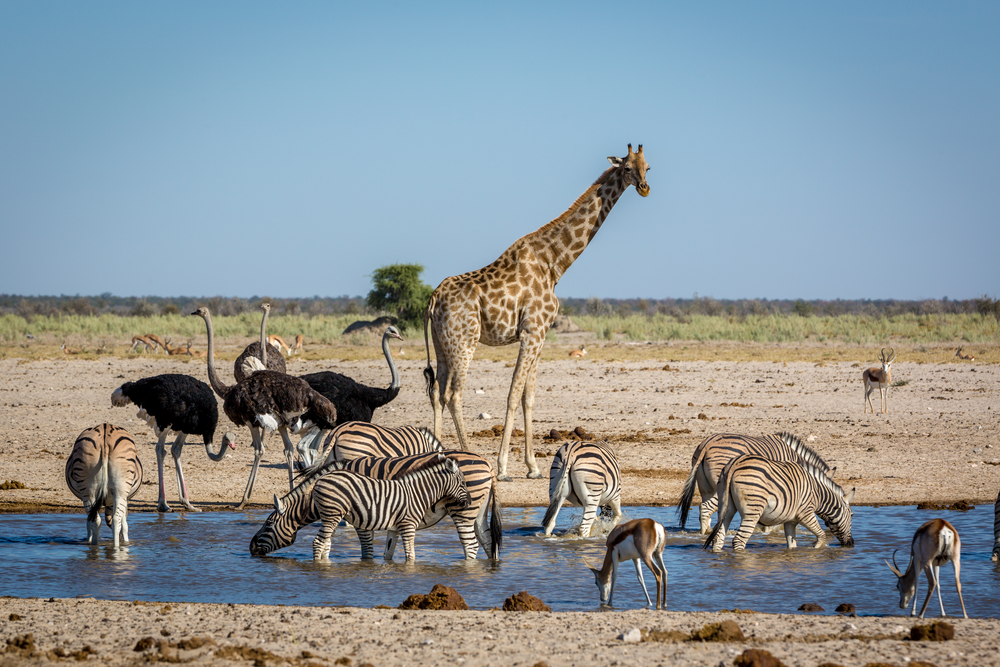
Wildlife in Etosha is abundant and highly visible due to the park’s open landscapes. Large mammals such as elephants, lions, giraffes, zebras, and wildebeest are commonly seen, often congregating at waterholes alongside springbok and oryx. Etosha is also one of the most important strongholds for the endangered black rhinoceros, which is carefully protected within the park.

Predators including leopards, hyenas, and cheetahs roam the area, while smaller mammals and reptiles thrive in the arid conditions. Birdlife varies seasonally, with flamingos arriving when water is present in the pan and numerous raptors and desert-adapted birds inhabiting the surrounding habitats year-round.

Etosha National Park plays a crucial role in conserving one of southern Africa’s most important arid ecosystems. Its protection ensures the survival of numerous species adapted to life in extreme conditions and safeguards ecological processes that have shaped the region for thousands of years. The park’s waterholes provide critical lifelines during drought periods, supporting wildlife populations across a vast area.

On a global scale, Etosha demonstrates the ecological importance of desert and semi-desert environments, which are often overlooked despite their rich biodiversity and fragile balance. Its striking landscapes, iconic wildlife, and enduring sense of wilderness make it one of Africa’s great conservation treasures and a powerful reminder of nature’s resilience in even the harshest environments.

Things to See

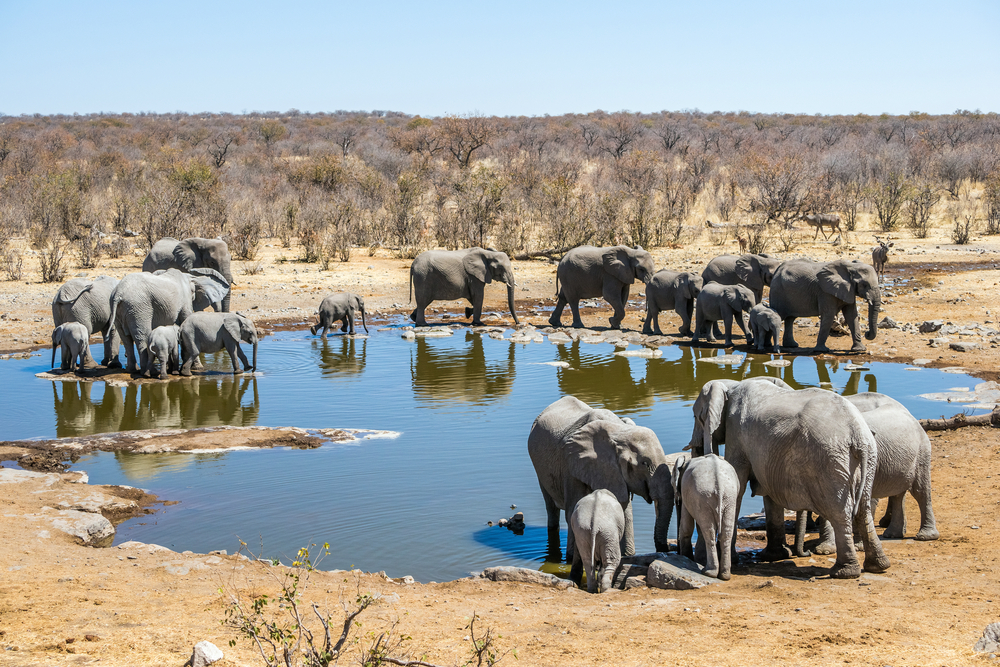
Etosha National Park is home to the tallest elephants in Africa, however, deficiencies in nutrients have them displaying shorter tusks.  Black and white rhinoceroses are spectacular sightings as well as leopard and lion.  The buffalo is extinct from the area making it the only one of the Big 5 absent from the park.
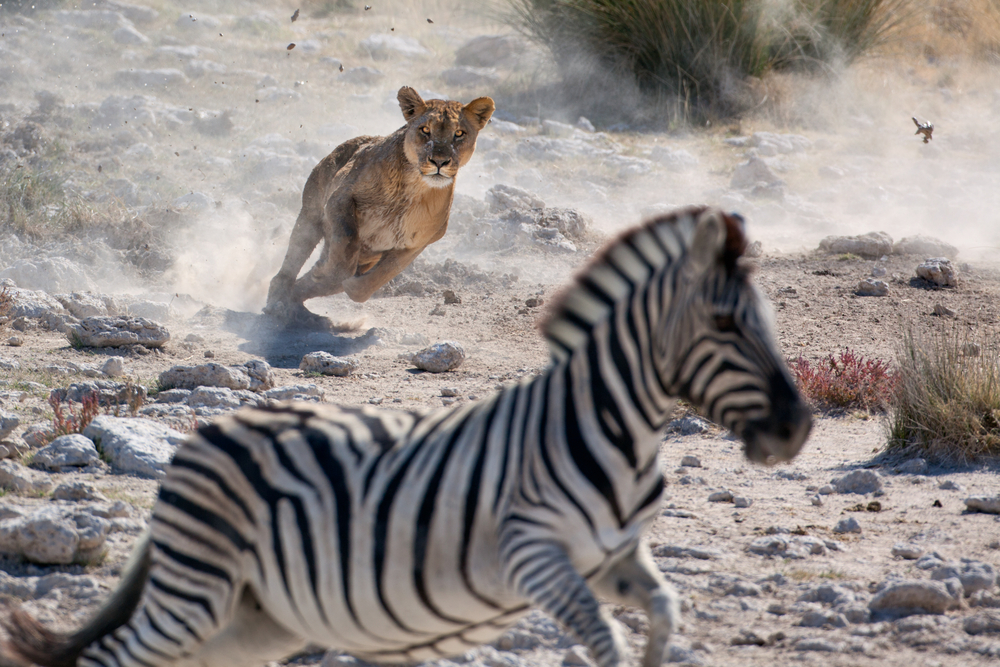
Wildlife is the highlight of Etosha with over 110 mammal species found within the park along with an abundance and wide variety of birds to be seen by travelers.  Cheetah, caracal, hyena, fox, and jackal are some of the other common predators that accompany the lions and leopards.  This is considered the premier wildlife viewing destination in the whole country.

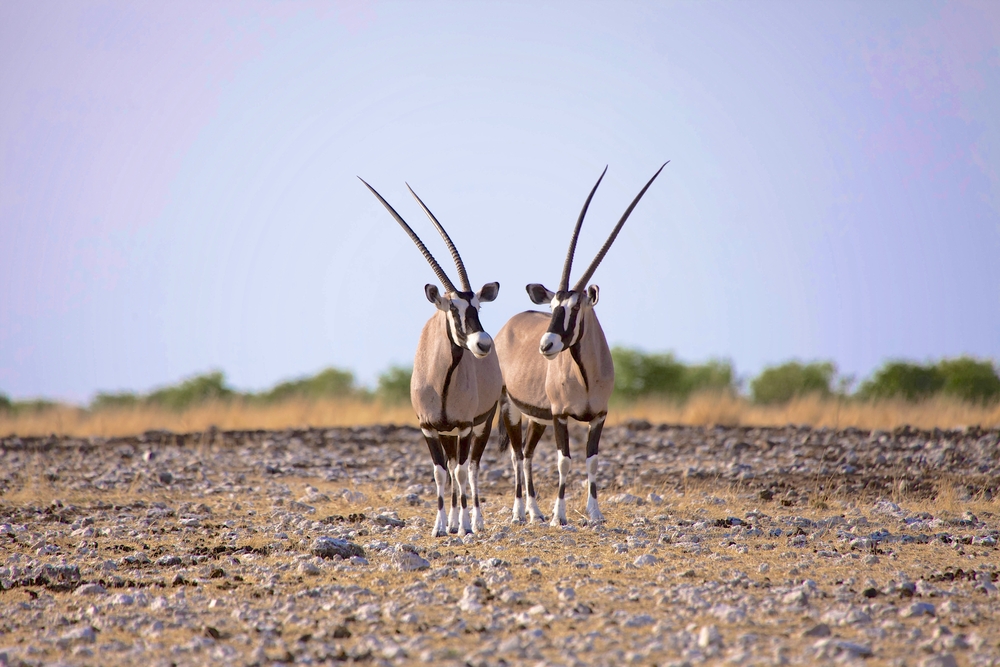
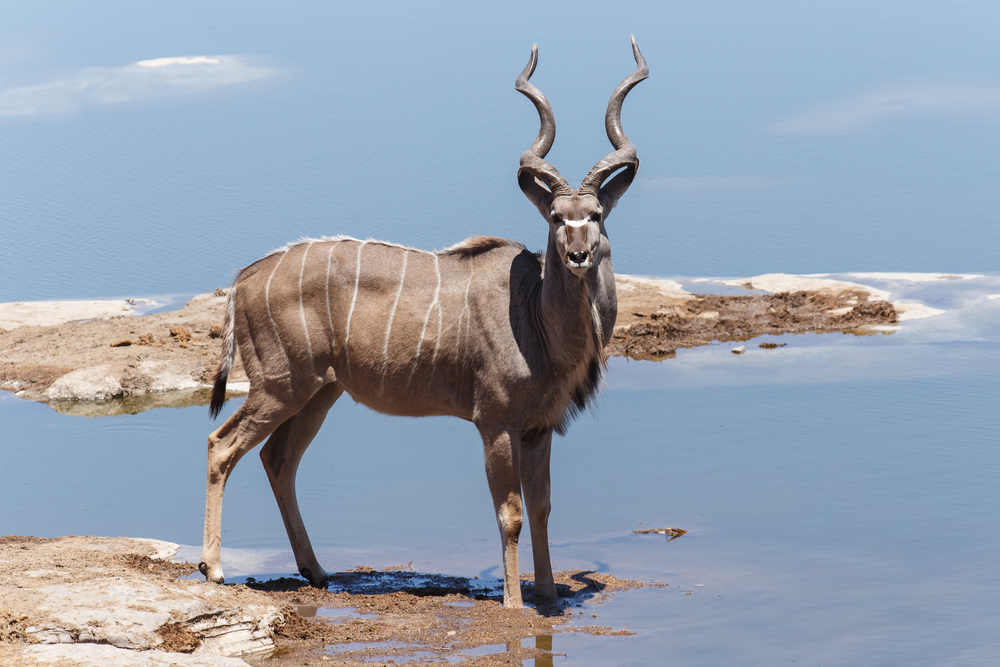
Some of the wildlife favorites that can be found within the national park include kudu, giraffe, wild dog, zebra, impala, gemsbok, hartebeest, and eland.  The floodlit watering holes make for enjoyable evening game viewing.  This is a unique facet of the park and a highlight for many.

Predators

Predators

Etosha National Park is renowned for its diverse array of predators, essential for maintaining ecological balance within the park’s savanna ecosystem. These apex predators play a vital role in regulating herbivore populations and ensuring overall ecosystem health.

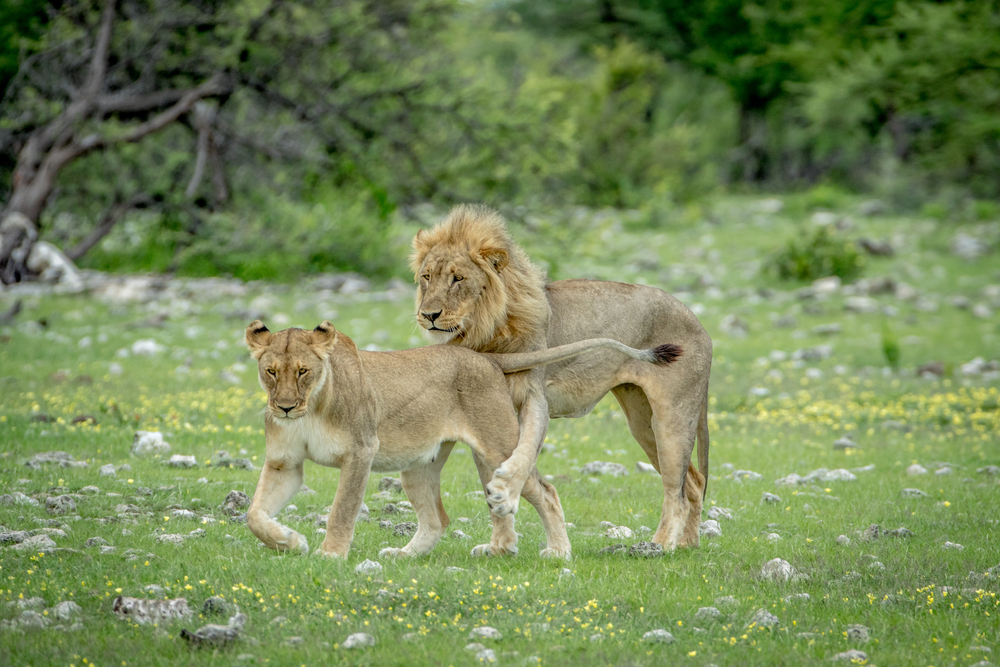
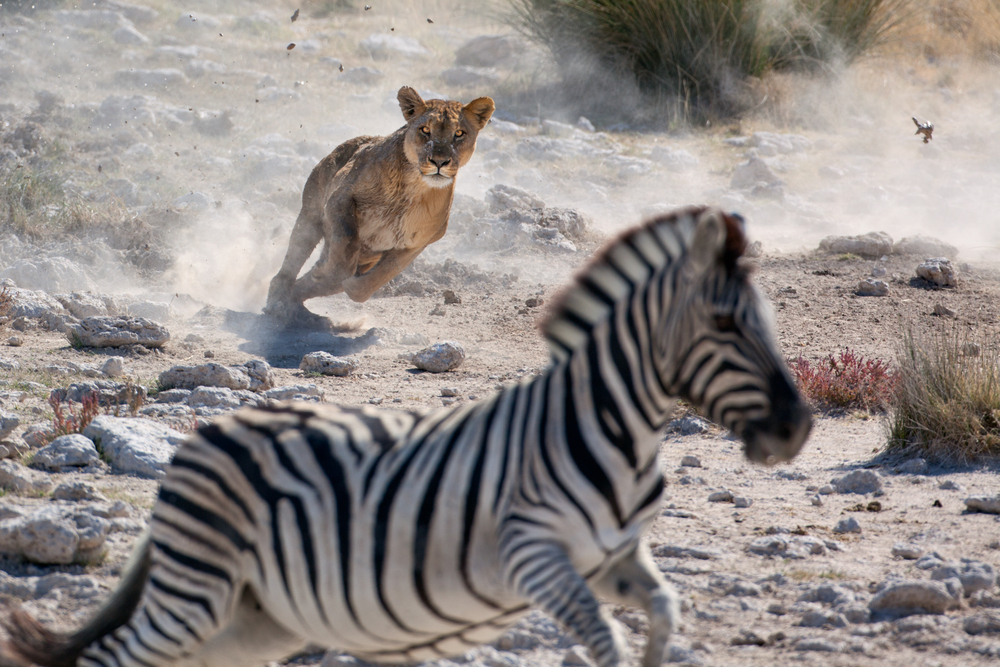
Lion: Majestic and powerful, lions are iconic symbols of African savannas. Forming social prides, they hunt cooperatively, preying on large herbivores like wildebeests and zebras.

Leopard: Stealthy and elusive, leopards are solitary hunters known for their agility and strength. They rely on stealth and ambush tactics to catch prey, often hauling kills into trees for safekeeping.

Spotted Hyena: Highly adaptable and social, spotted hyenas are skilled hunters and scavengers. Their powerful jaws and keen senses enable them to track and take down a variety of prey, including wounded animals.

African Wild Dog: Endangered and highly social, African wild dogs are efficient hunters, relying on teamwork and stamina to pursue and bring down prey, such as antelopes and warthogs.

Cheetah: The fastest land mammal, cheetahs are specialized hunters, using incredible speed and agility to chase down fleet-footed prey like springboks and impalas across the savanna plains.

Popular

Popular

Etosha National Park teems with an abundance of fascinating wildlife beyond its iconic predators. Here are some of the park’s most beloved species:

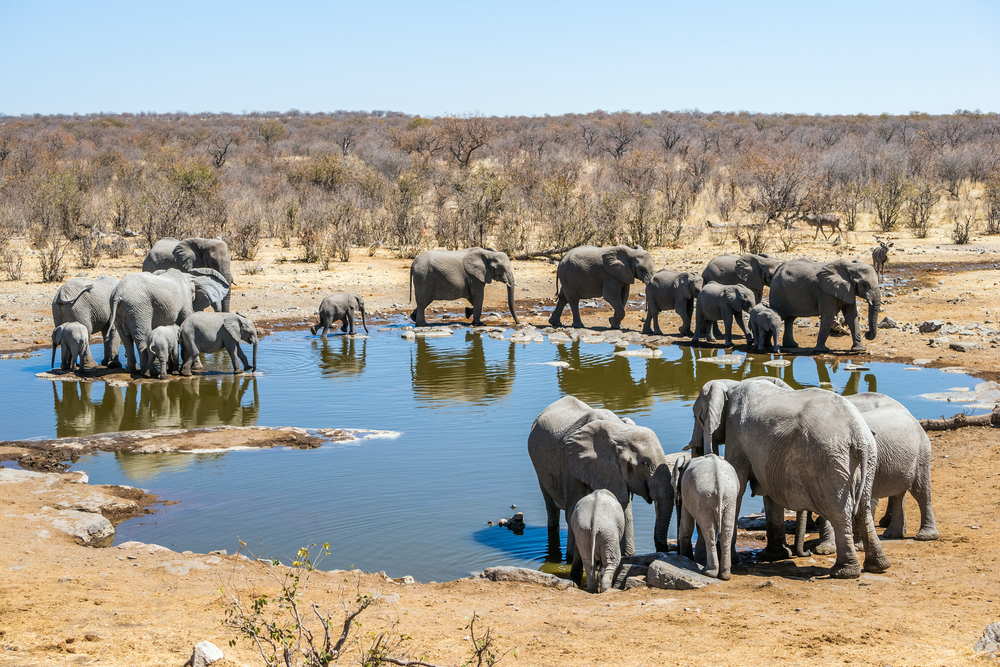
Elephant: Towering and majestic, elephants are the largest land mammals. They roam the park in herds, grazing on vegetation and frequently visiting waterholes.

Giraffe: With their long necks and graceful gait, giraffes are iconic inhabitants of the savanna. They feed on acacia leaves and are often spotted near waterholes.

Springbok: Agile and fleet-footed, springboks are common antelopes in Etosha. They form herds and can be seen pronking, or leaping, to display dominance or evade predators.

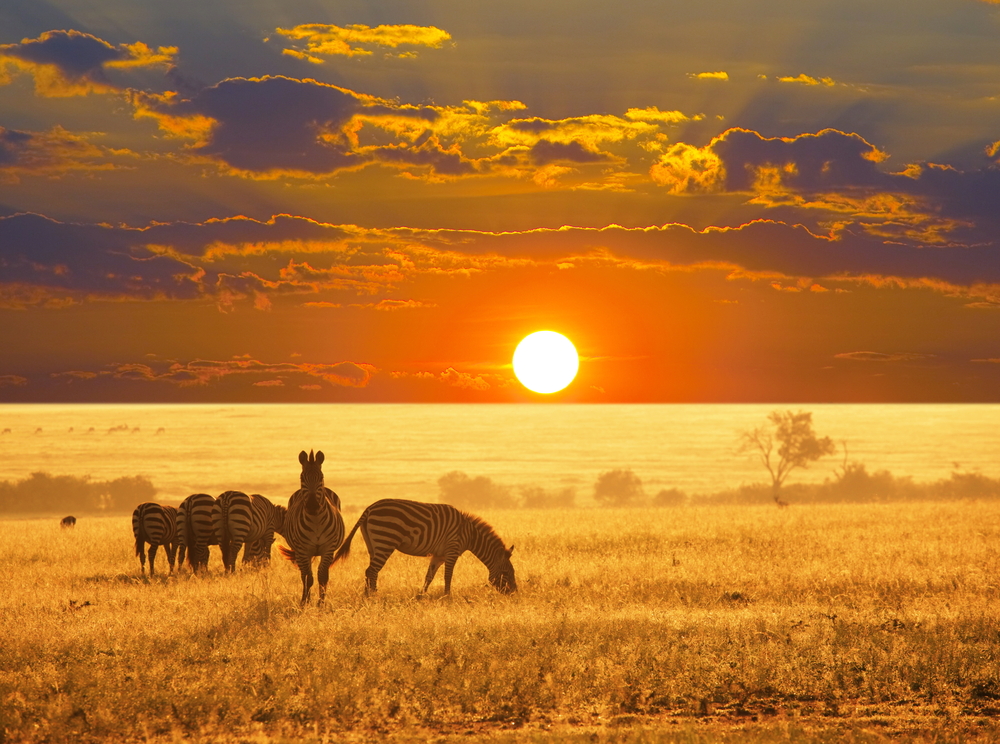
Zebra: Striped and social, zebras roam the plains in large herds. Their distinctive black-and-white coats provide camouflage against predators, and they often graze alongside other herbivores.

Blue Wildebeest: Also known as gnus, blue wildebeests undertake impressive annual migrations in search of greener pastures. They form massive herds, moving in sync across the landscape.

Oryx: Also called gemsboks, oryx are striking antelopes with long, straight horns. They are well-adapted to arid environments and can survive for long periods without water.

Kudu: Graceful and elusive, kudus are one of the largest antelope species. Their spiral horns and distinctive markings make them sought-after sightings for wildlife enthusiasts.

Hartebeest: With their peculiar-shaped heads and long, slender legs, hartebeests are recognizable antelopes in Etosha. They graze on grasses and are often seen near waterholes.

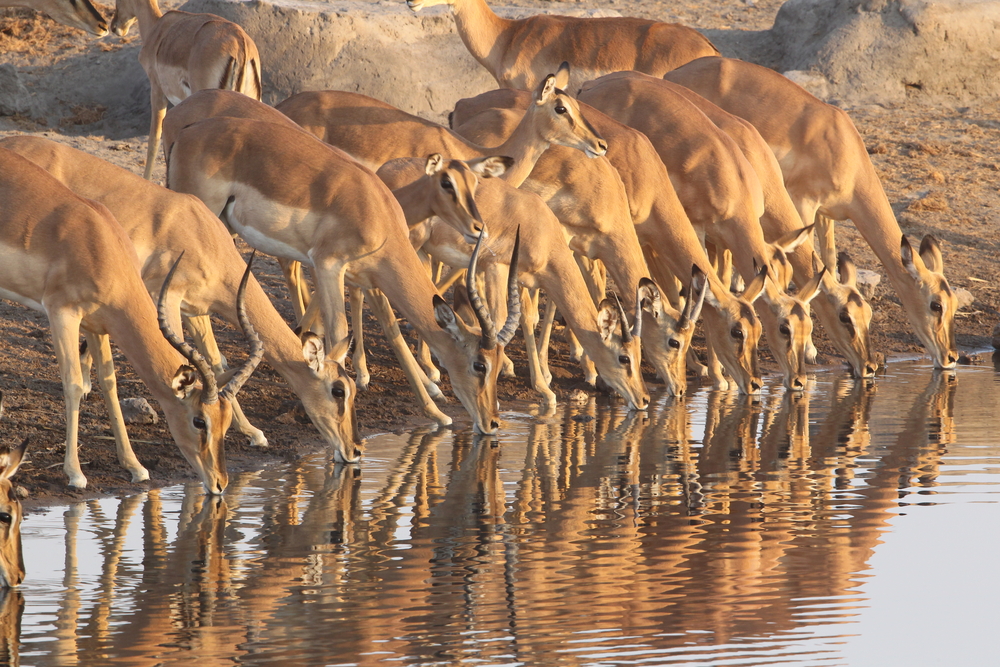
Black-faced Impala: Endemic to Namibia, black-faced impalas are a subspecies of the common impala. They inhabit the woodland areas of Etosha and are known for their striking facial markings.

Rhino: With their armored appearance and formidable horns, rhinos are iconic symbols of African wildlife conservation. Etosha is home to both black and white rhinoceros populations.

Birds

Birds

Etosha National Park is a birdwatcher’s paradise, boasting a rich diversity of avian species. From majestic raptors to colorful songbirds, the park offers endless opportunities for bird enthusiasts. Here are some of the bird species you might encounter in Etosha:

African Fish Eagle: With its distinctive white head and powerful talons, the African fish eagle is a common sight near water bodies, where it hunts for fish.

Kori Bustard: The largest flying bird native to Africa, the kori bustard is known for its impressive size and distinctive courtship displays during the breeding season.

Secretary Bird: This striking bird of prey is known for its distinctive appearance, with long legs and a crest of feathers resembling quill pens tucked behind its ears.

Lilac-breasted Roller: With its vibrant plumage of blues, greens, and purples, the lilac-breasted roller is one of Africa’s most colorful birds, often seen perched on branches or telegraph poles.

Crimson-breasted Shrike: This striking bird is named for its bright crimson breast and black mask. It is often found in savanna habitats, where it preys on insects and small reptiles.

Southern Yellow-billed Hornbill: With its distinctive downward-curved yellow bill and black-and-white plumage, the southern yellow-billed hornbill is a common sight in Etosha.

Pale Chanting Goshawk: This medium-sized raptor is known for its plaintive call, often heard echoing across the savanna as it hunts for small mammals and birds.

Red-billed Francolin: A ground-dwelling bird with striking red legs and bill, the red-billed francolin is often found foraging for seeds and insects in grassy areas.

Marico Flycatcher: This small, insect-eating bird is known for its distinctive call and agile aerial maneuvers as it catches insects on the wing.

White-backed Vulture: One of Africa’s largest vulture species, the white-backed vulture plays a vital role in cleaning up carcasses and maintaining ecosystem balance.

Ostrich: The world’s largest bird, the ostrich is an iconic sight in Etosha with its long neck and legs, often seen foraging in open grasslands.

Flamingo: The graceful flamingoes are frequently found in the salt pans and low-level waters of the park.

Things To Do

Visitors headed to Namibia almost always add Etosha to list of destinations to experience because of the abundant wildlife.
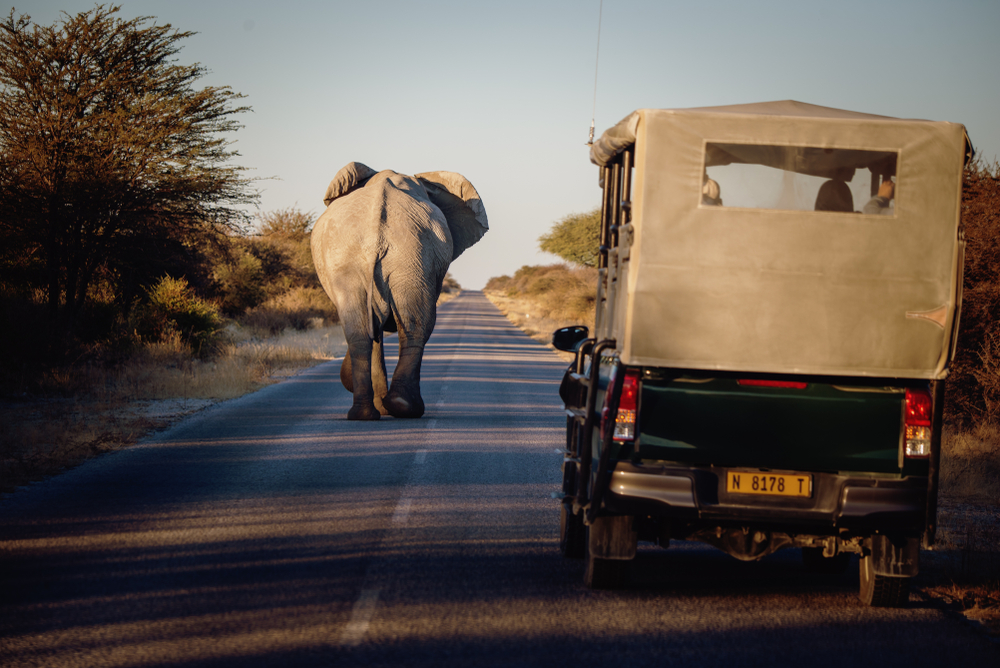
Game Drive

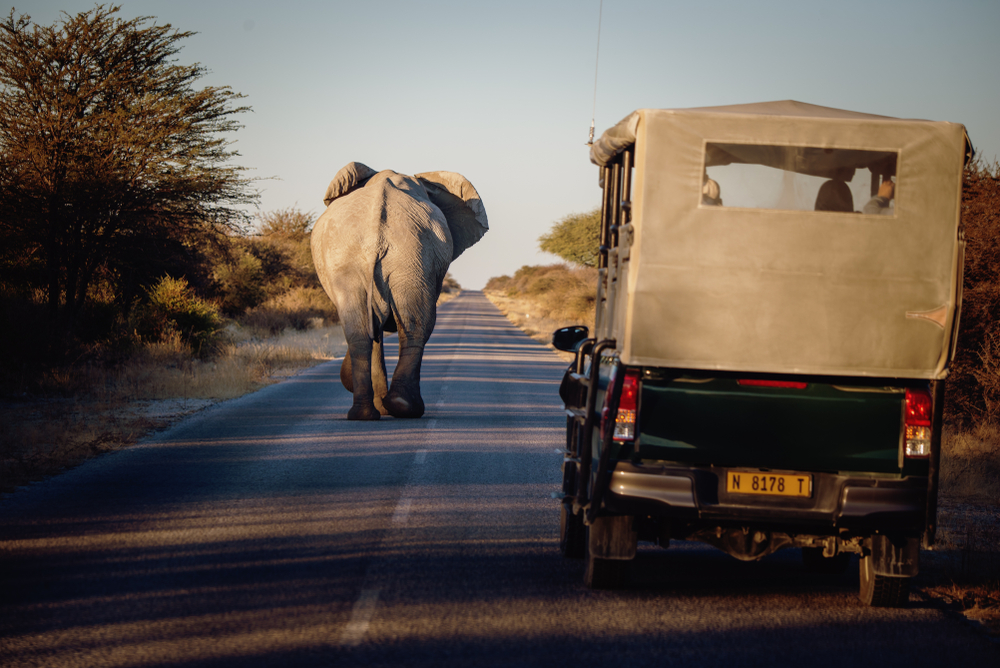
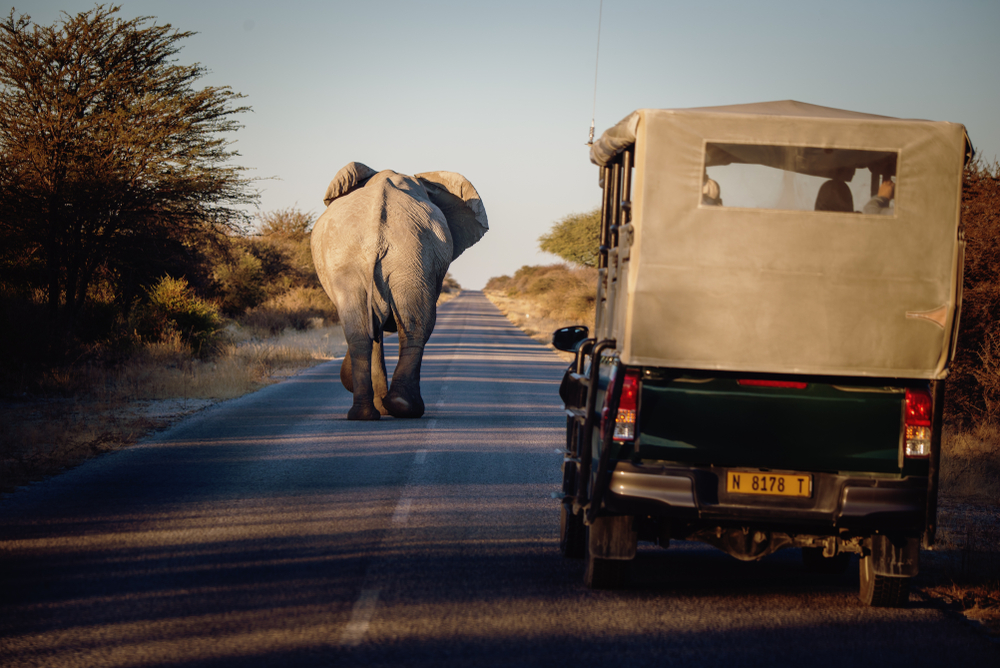
A safari game drive is the heart of the activities in the national park.  This is also the best way to increase your chances of seeing more wildlife.

Game Drives

Enjoy exhilarating game drives through Etosha’s diverse landscapes, encountering iconic African wildlife such as elephants, lions, giraffes, and more.

Skilled guides navigate you through the park’s network of roads, ensuring optimal wildlife viewing opportunities at waterholes and other hotspots.

Waterhole Watching

Positioned strategically throughout the park, waterholes serve as natural gathering points for animals, offering prime locations to observe their behaviors up close.

Spend tranquil moments witnessing the dynamic interactions between various species as they converge to drink, bathe, and socialize.

Guided Walking Safaris

Immerse yourself in the sights, sounds, and scents of the bush on guided walking safaris led by experienced guides. Traverse Etosha’s terrain on foot, gaining intimate insights into its flora, fauna, and ecological processes while keeping an eye out for tracks, signs, and smaller creatures often missed during game drives.

placeholder

Night Game Drives

Venture into the realm of nocturnal wildlife on guided night drives, where the park reveals a different side after dark.

Equipped with spotlights, explore the wilderness as it comes alive with the activity of elusive predators such as leopards and hyenas, as well as other nocturnal inhabitants.  The adventure is both mysterious and thrilling.

Game Drives

Enjoy exhilarating game drives through Etosha’s diverse landscapes, encountering iconic African wildlife such as elephants, lions, giraffes, and more.

Skilled guides navigate you through the park’s network of roads, ensuring optimal wildlife viewing opportunities at waterholes and other hotspots.

Waterhole Watching

Positioned strategically throughout the park, waterholes serve as natural gathering points for animals, offering prime locations to observe their behaviors up close.

Spend tranquil moments witnessing the dynamic interactions between various species as they converge to drink, bathe, and socialize.

Guided Walking Safaris

Immerse yourself in the sights, sounds, and scents of the bush on guided walking safaris led by experienced guides. Traverse Etosha’s terrain on foot, gaining intimate insights into its flora, fauna, and ecological processes while keeping an eye out for tracks, signs, and smaller creatures often missed during game drives.

placeholder

Night Game Drives

Venture into the realm of nocturnal wildlife on guided night drives, where the park reveals a different side after dark.

Equipped with spotlights, explore the wilderness as it comes alive with the activity of elusive predators such as leopards and hyenas, as well as other nocturnal inhabitants.  The adventure is both mysterious and thrilling.

Etosha National Park Trails

There are no trails in the park.  However, walking or hiking in the park is permissible as a guided walking safari. After receiving a safety briefing, a guide will escort you through a hike in what may be the very tracks the animals take themselves.  You should be safe, but remember this is wilderness and the animals are wild.  Make sure you always listen to instructions and follow them accordingly.  A walking safari often leaves people with a more personal and unforgettable experience with nature.

placeholder

No Traditional Trails

Etosha National Park in Namibia is renowned for its vast salt pan and abundant wildlife, but it doesn’t have designated hiking trails due to safety concerns regarding wildlife encounters.

Visitors are encouraged to explore the park via guided game drives or walking safaris led by experienced guides.

These excursions provide opportunities to observe Etosha’s diverse ecosystems and wildlife, including elephants, lions, giraffes, and various antelope species, while ensuring the safety of both visitors and animals.

placeholder

No Traditional Trails

Etosha National Park in Namibia is renowned for its vast salt pan and abundant wildlife, but it doesn’t have designated hiking trails due to safety concerns regarding wildlife encounters.

Visitors are encouraged to explore the park via guided game drives or walking safaris led by experienced guides.

These excursions provide opportunities to observe Etosha’s diverse ecosystems and wildlife, including elephants, lions, giraffes, and various antelope species, while ensuring the safety of both visitors and animals.

Park Protection

Etosha National Park was created to protect the Etosha Pan and other salt pans, savanna woodlands, and grasslands that collectively serve as the habitat for an abundance of wildlife.  The national park protection was essential to keep hunters and poachers from eradicating these species from existence.

Because of the investment by the Namibian government, Etosha is recognized as the premier wildlife viewing destination in the country.  It is imperative that global visitors and citizens of Namibia do everything we can to help ensure that these species continue to thrive.

Sources