

About
Wicklow Mountains National Park is located on the southeastern side of Ireland just south of Dublin. The park encompasses an area of 84.94 square miles (220 sq km).
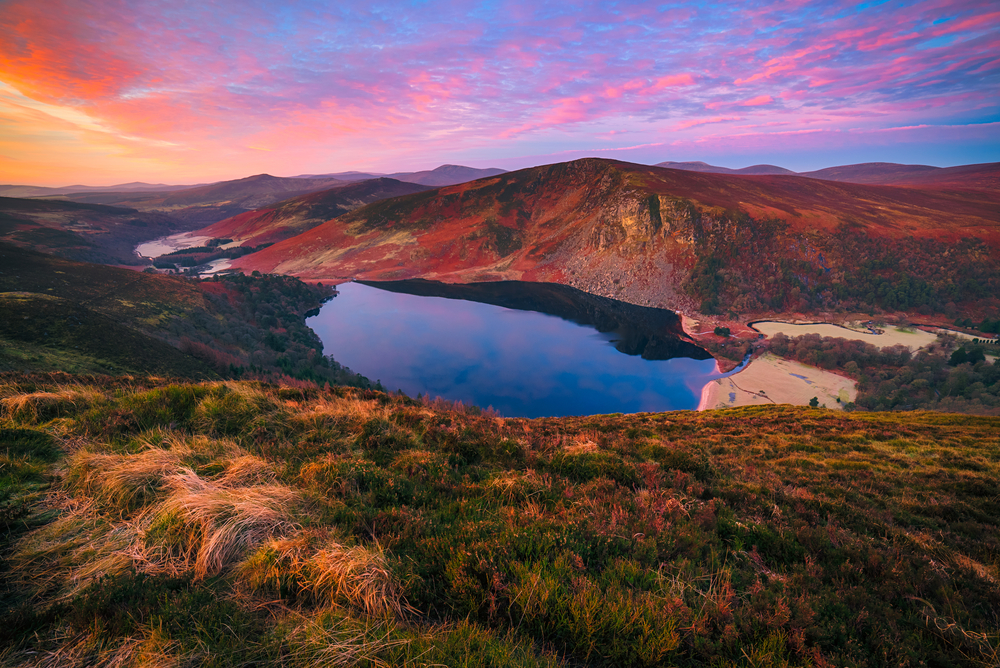
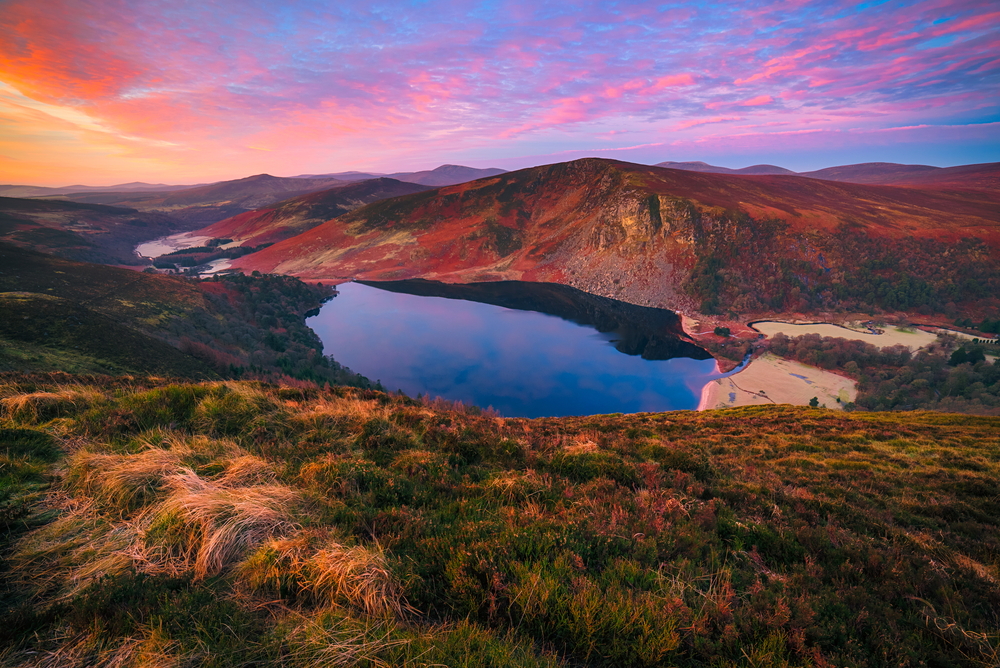
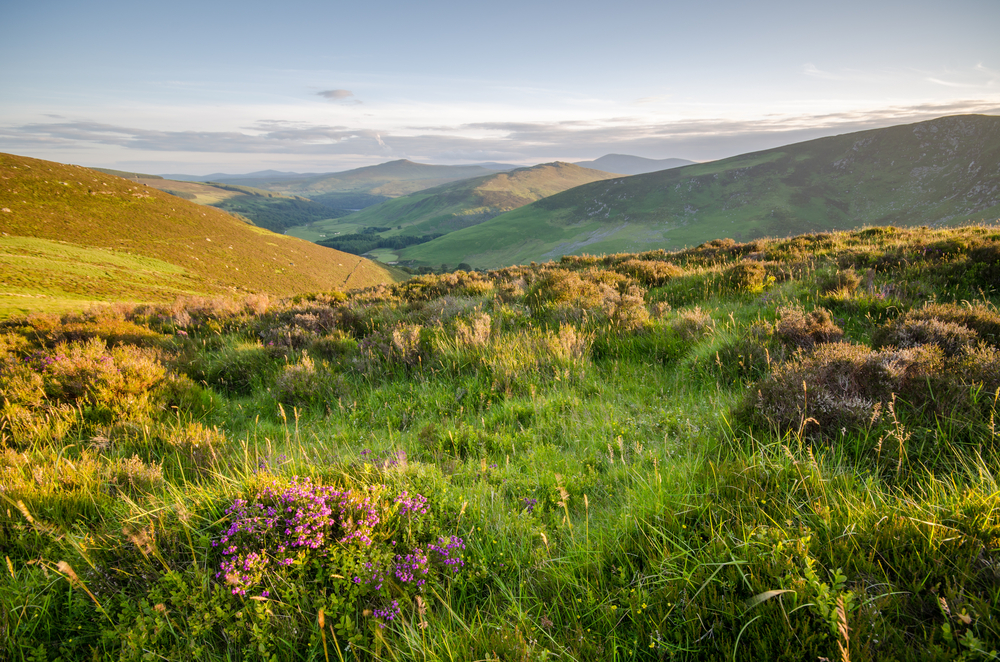
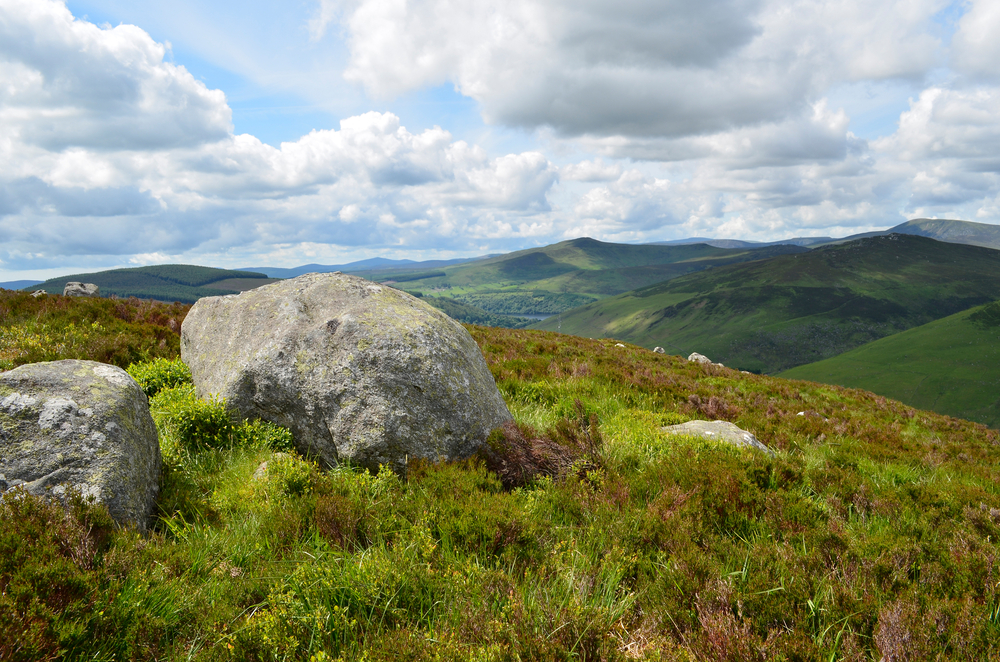
The national park is nestled in the Wicklow Mountains which serve as the namesake of the park as well as the pinnacle attraction. The mountains are rolling with heath and upland grasslands while displaying moments of exposed rock faces and cliffs.
The vegetation is diverse featuring a variety of ecosystems that include blanket bog, coniferous woods, deciduous forests, heath, upland grassland, exposed rock mountains, and cliffs along with scree scattered below.
The Wicklow Mountains also provide access to and protection of a number of historic sites spread across the Glendalough area. Although the heart of the park is an opportunity to escape into the outdoors, many people love exploring and learning about the historical facets found within the park as well.
Photos
Things to See
Hiking and exploring the terrain of the Wicklow Mountains is the highlight for most people. It is a great escape for the Dublin locals as well as visitors from around the world. The varied habitats are also inviting to those who like to discover and witness different aspects of nature. The national park provides opportunities to combine historical, cultural, and natural facets together in the same visit.
Glendalough Upper Lake
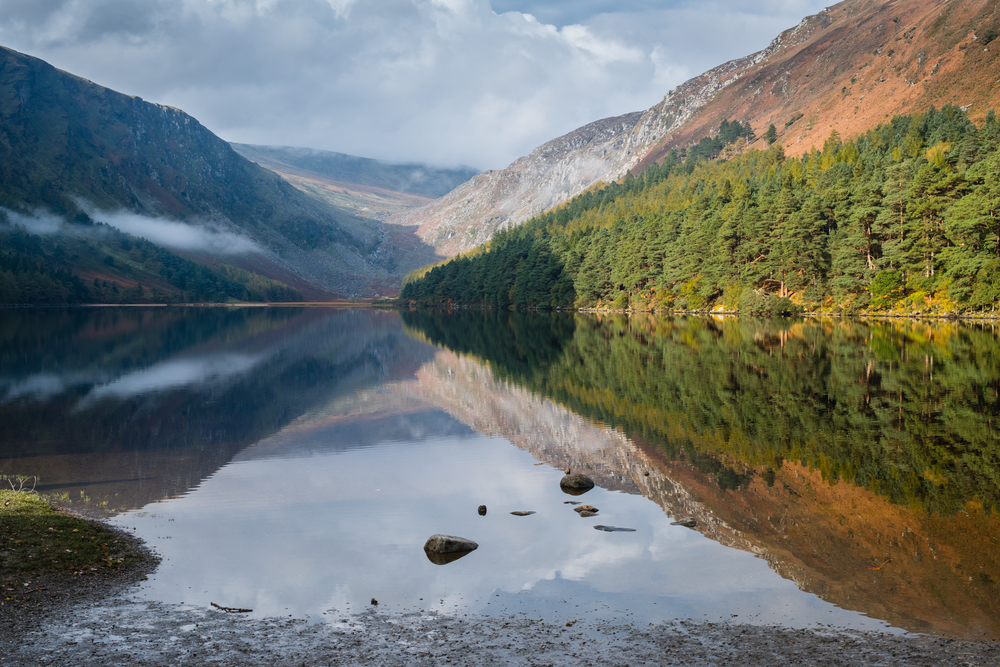
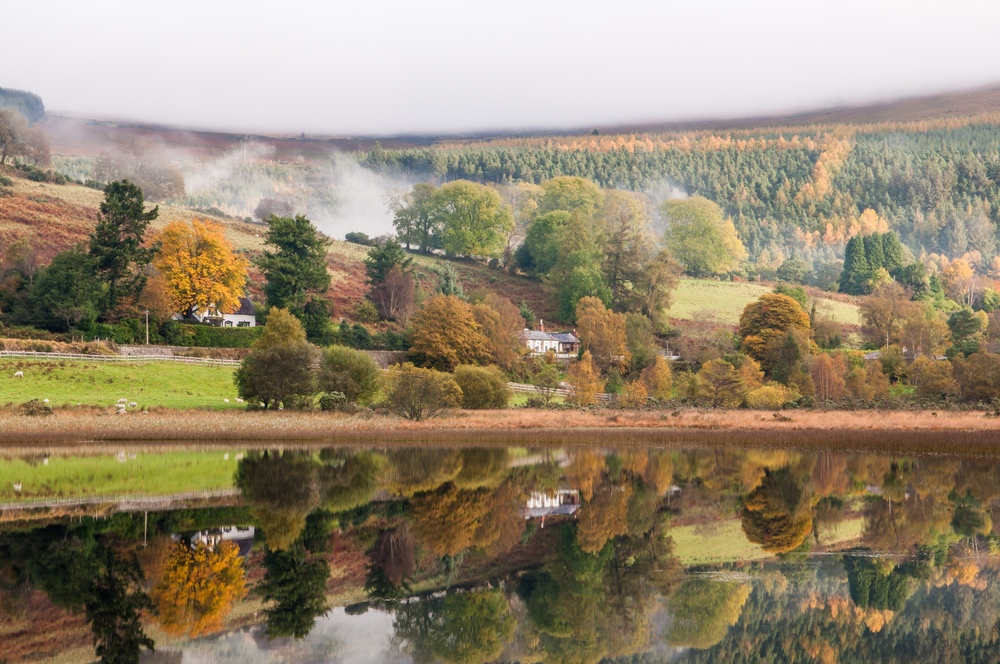
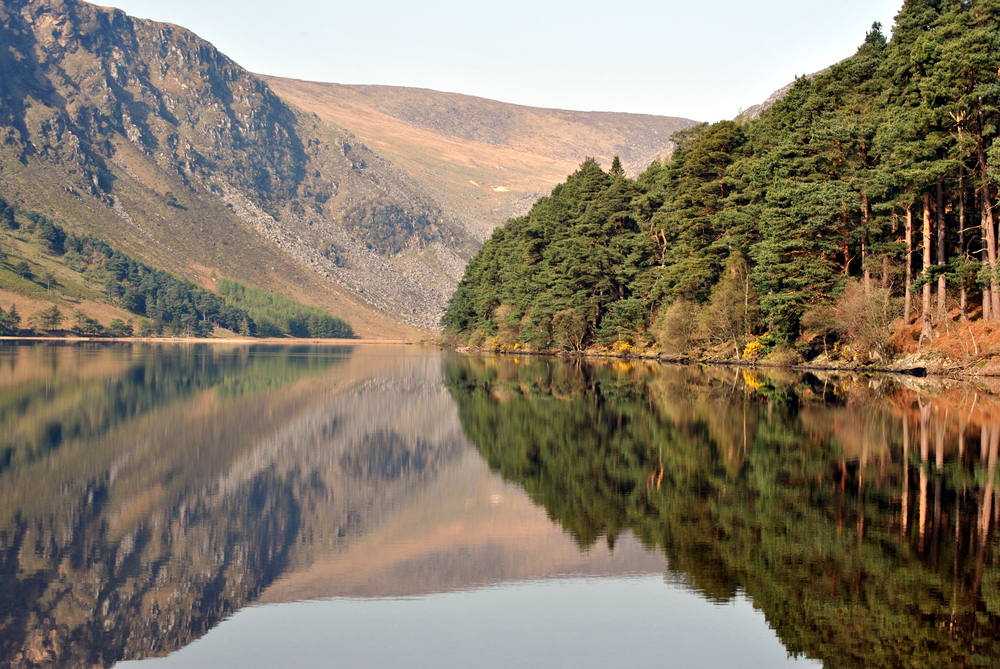
The Glendalough Upper Lake is a glacial lake located in the Wicklow Mountains. The deep rich blue waters add to the landscape and panoramic views from the summits above where it is nestled in place. Although people can experience the lake along the shoreline, the more striking views occur from above along one of the mountain summits.
This ribbon lake measures a length of 0.87 miles (1.4 km) with a width of 0.32 miles (0.52 km). The lake reaches a maximum depth of 98 feet (30 m). It covers an area of 440 feet (130 m). Although not a large lake, the views over the lake are what attracts most hikers.
Glendalough
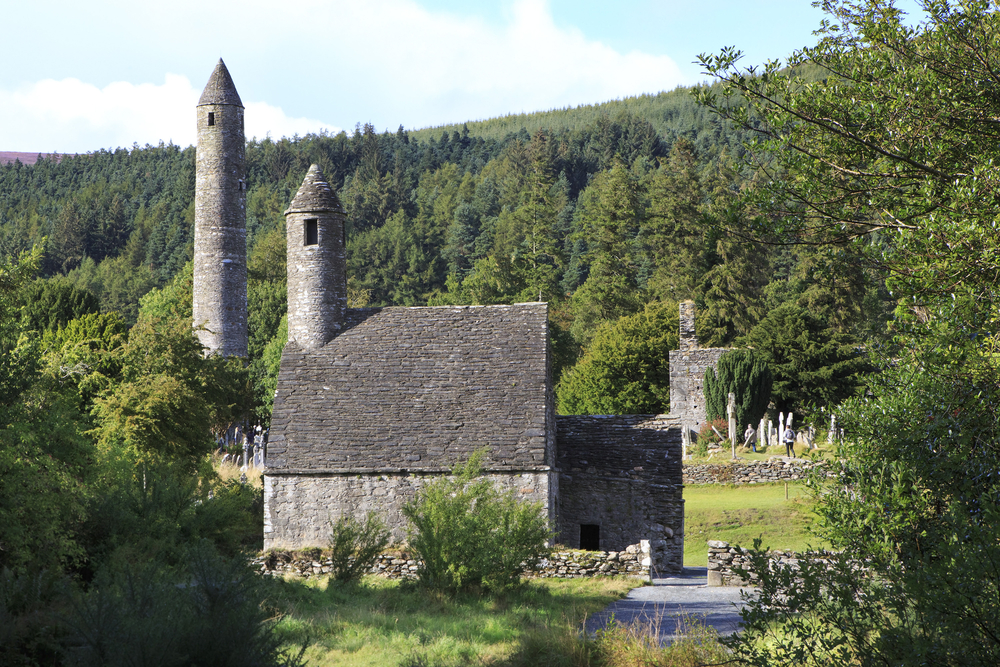
The Glendalough region features a number of historical sites that add to the cultural and historical experience of travelers coming to the area. Most of the sites are related to St. Kevin who operated as a hermit priest in the early Medieval period.
In addition, visitors can discover Bolger’s Cottage which provides an opportunity to learn about the area. Similarly, travelers can explore the remnants of old mining villages. It is an opportunity to step back into the days of old when life was simpler and more focused on the community.
Popular
Wicklow Mountains National Park, located in Ireland, is known for its stunning glacial valleys, rugged peaks, and scenic landscapes. The park is home to a variety of wildlife, offering visitors a chance to encounter some fascinating species that thrive in its unique habitats.
Red Deer
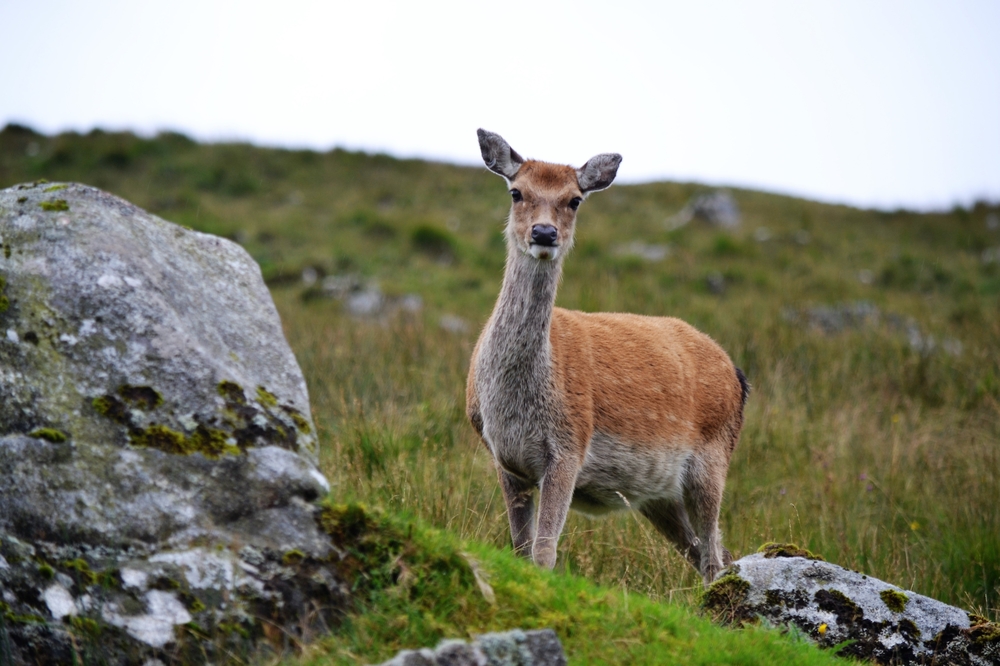
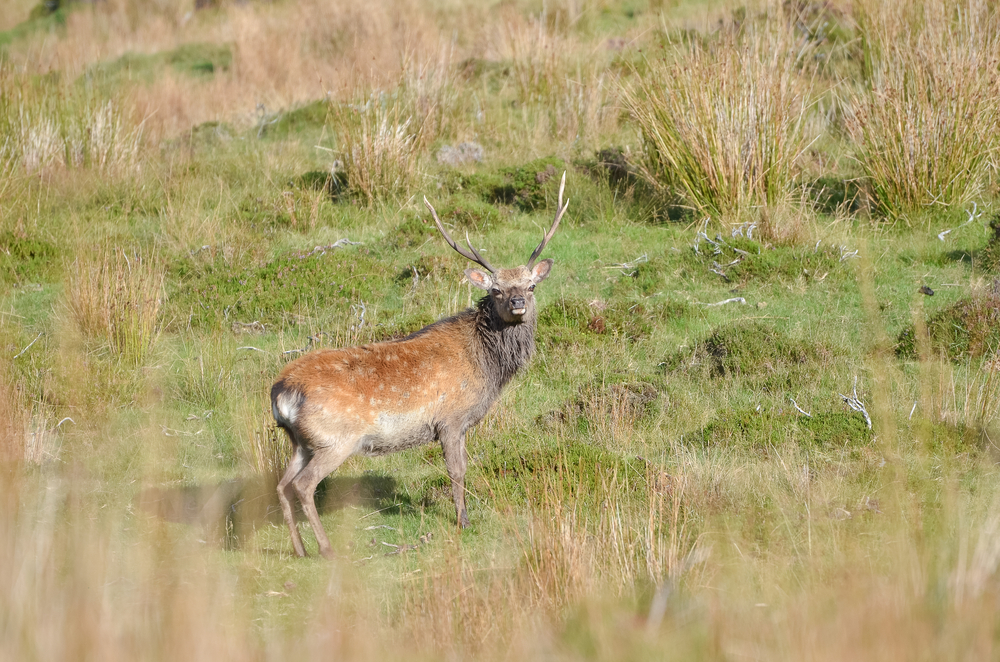
The red deer is Ireland’s largest land mammal and a symbol of the country’s natural heritage. In Wicklow, these majestic animals roam freely across the open hills and woodlands.
Feral Goats
These hardy animals are often spotted in the rocky areas of the park. They have adapted well to the rugged terrain and can be seen grazing on grass and shrubs.
Otters
Commonly found near the park’s rivers and lakes, otters are playful aquatic mammals that rely on clean water for their survival. They can often be seen hunting for fish or playing along the banks.
Irish Hare
The Irish hare is a species native to Ireland and is easily recognizable by its large ears and fast, bounding movements. It thrives in the open uplands and grasslands of the park.
Pine Marten
This elusive and arboreal mammal is known for its striking chestnut-brown fur and creamy throat patch. It is often found in wooded areas, although it can be difficult to spot.
Fox
An adaptable predator, the fox is commonly found throughout the park. It often roams the uplands and forests in search of small mammals and birds.
Stoat
The stoat is a small carnivorous mammal with a long, slender body and a distinctive black-tipped tail. It is an agile hunter that preys on rodents and birds.
Mountain Hare
The mountain hare is well-adapted to the cold, exposed conditions of the higher altitudes in the park. Its coat changes color to white during winter, helping it blend in with snow.
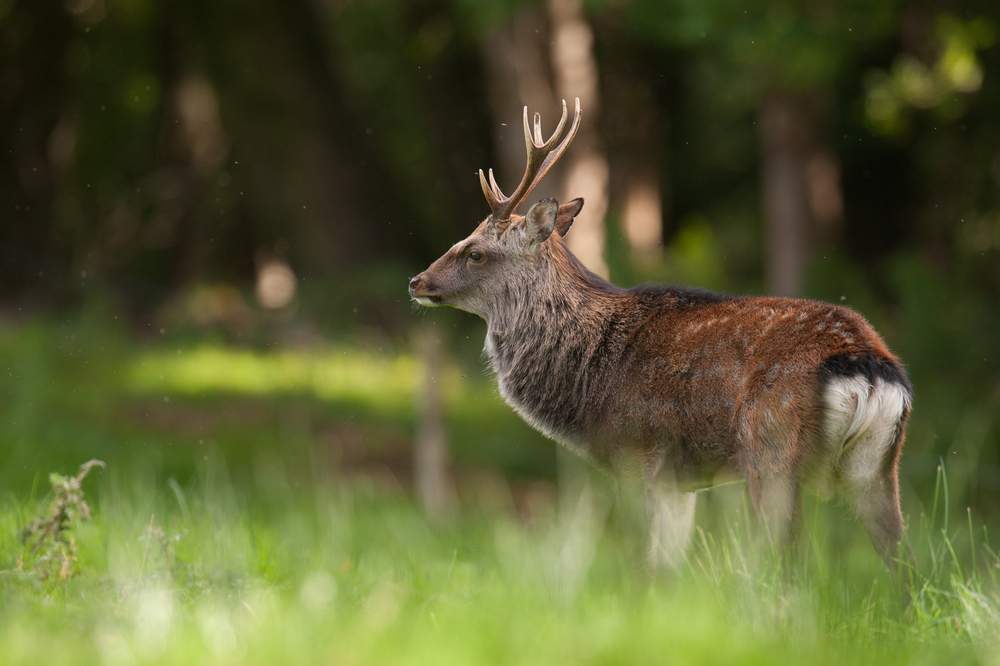
Sika Deer
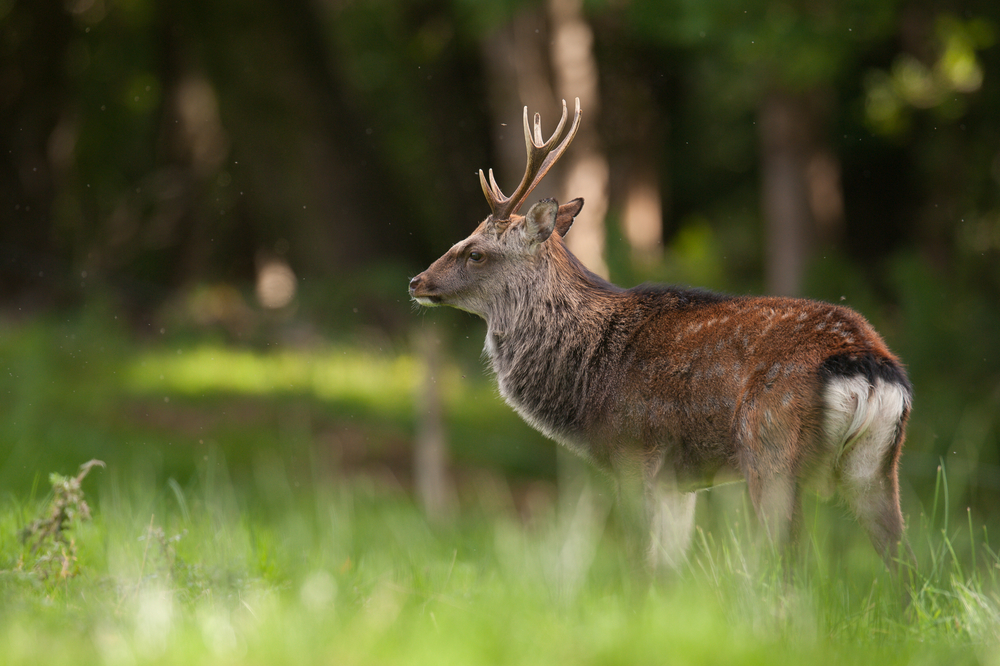
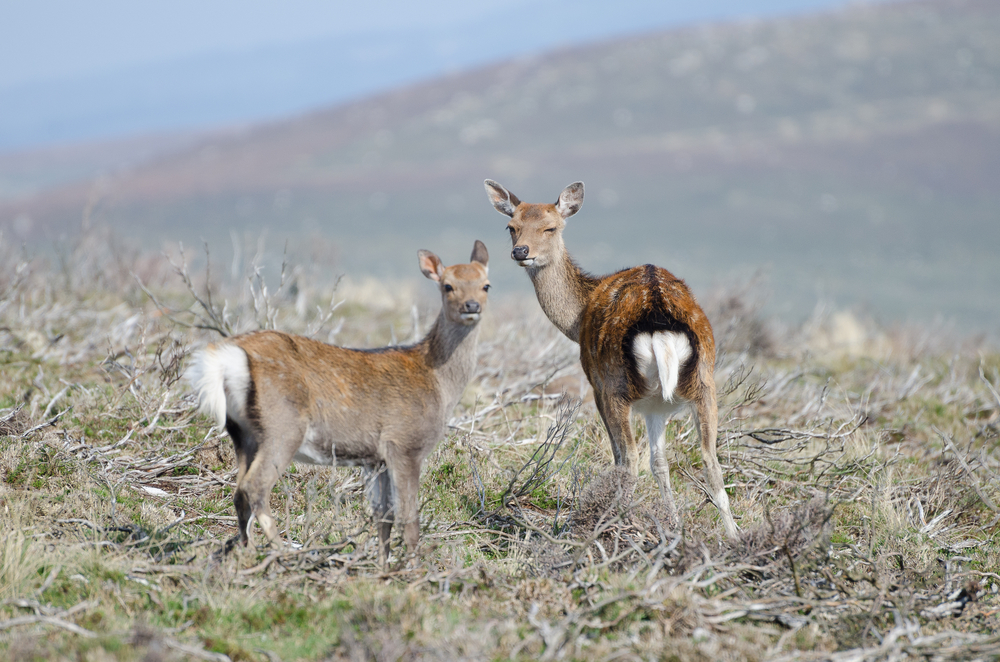
Originally introduced from Japan, sika deer have become a common sight in the park. Smaller than red deer, they are often found in forested areas.
Badger
This nocturnal animal is easily identified by its distinctive black-and-white striped face. Badgers create extensive burrow systems and are most active at night.
Birds
The Wicklow Mountains National Park is also home to a variety of popular bird species, making it a haven for bird enthusiasts. Its diverse habitats, including woodlands, uplands, and wetlands, provide ideal conditions for a range of birdlife.
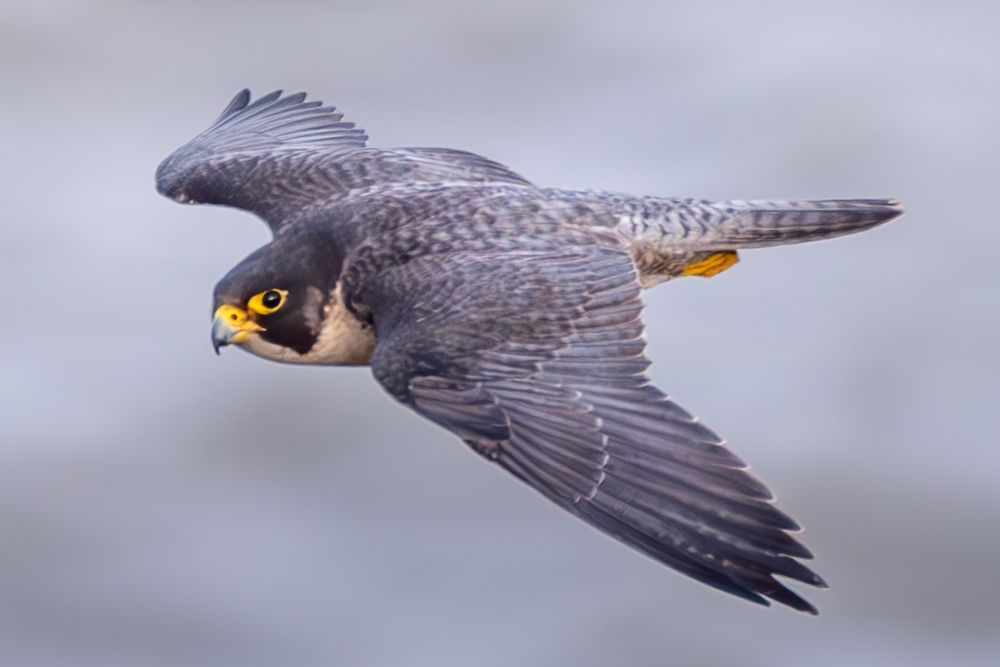
Peregrine Falcon
Known for its incredible speed during hunting dives, the peregrine falcon is a powerful bird of prey that nests on cliffs and rocky crags in the park.
Raven
Ravens are intelligent and adaptable birds, often seen soaring high above the mountains. Their deep croaking calls are a common sound in the uplands.
Kestrel
The kestrel is a small falcon known for its ability to hover mid-air while scanning the ground for prey. It can often be spotted hunting in open areas.
Red Grouse
A resident of the heather-covered moorlands, the red grouse is a ground-nesting bird with rich chestnut plumage that blends well with its surroundings.
Woodcock
This elusive bird is often found in the woodlands of the park. It is known for its unique “roding” display flight during the breeding season.
Dipper
The dipper is a small aquatic bird that can be seen along fast-flowing streams and rivers. It is unique in its ability to dive and walk underwater in search of food.
Meadow Pipit
A small songbird commonly found in open grasslands and uplands, the meadow pipit is a key species in the park’s ecosystem, serving as prey for larger birds.
Golden Plover
Golden plovers are migratory birds that frequent the park’s uplands during the breeding season. Their golden-spotted plumage offers excellent camouflage.
Buzzard
A large bird of prey, the buzzard is often seen soaring in the sky, searching for small mammals and carrion. Its distinctive call is a familiar sound in the park.
Wren
Although tiny, the wren has a powerful and melodious song. It is one of the most common and widespread birds in the park, often found in wooded and rocky areas.
Wicklow Mountains National Park Trails
Hiking amongst the landscapes of the Wicklow Mountains is the most popular attraction of the national park. There are at least 50 trails that traverse up into the mountains and around the area providing excellent opportunities to experience all that the national park offers. The trails range from easy to difficult providing a chance for everyone to experience some aspects of the park.

Glendalough Upper and Lower Lake Trail
This is a loop trail that is rated easy. This 2.6-mile (4.18 km) trail circles one lake and comes alongside the other providing views of both lakes. There is only an elevation gain of 419 feet (127.71 m). There are views of a waterfall, both lakes, and the mountains while meandering through the forest. There are chances to see wildlife as well as birdwatching.
Glendalough White Trail
This loop trail ascends 1,459 feet (444.7 m) while traveling around the lake. The trail covers a distance of 5.4 miles (8.69 km) while hiking through the forest and ridges of the hills overlooking the lake.
Lugnaquilla Ridge Trail
This is a trail featuring an elevation gain of 2,687 feet (818.99 m) while traveling the 7.3-mile (11.7 km) loop. The trail is rated moderate and can be rocky. There are views of the river, a waterfall, and panoramic views of the landscape. There are chances of seeing wildlife and wildflowers.
Glendalough Walking Tour
This is an eclectic adventure providing opportunities to experience both natural wonders as well as historical facets of the park. The journey covers a distance of 11.4 miles (18.34 km) with an elevation gain of 2,506 feet (763.82 m). There are excellent views of the scenic lakes and surrounding terrain as well as archaeological heritage along the way.
Glendalough Lake Loop
Rating: Easy
Distance and Elevation Gain: 3 miles round trip, with minimal elevation gain
Description: This scenic loop around the Upper and Lower Lakes of Glendalough is perfect for families and casual walkers.
Highlights include the historic Monastic Site with its round tower and the serene beauty of the lakes set against the backdrop of the Wicklow Mountains.
Spinc and Glenealo Valley Circuit
Rating: Moderate to Challenging
Distance and Elevation Gain: 5.6 miles round trip, with an elevation gain of about 1,300 feet (396 meters)
Description: Offering panoramic views of Glendalough Valley, this trail takes hikers up the steep Spinc ridge before descending along the Glenealo Valley.
The boardwalk sections protect the fragile ecosystem and provide a secure path over boggy terrain.
Lugnaquilla from Glenmalure
Rating: Challenging
Distance and Elevation Gain: 10 miles round trip, with an elevation gain of about 2,300 feet (700 meters)
Description: Aimed at experienced hikers, this trail ascends Lugnaquilla, Wicklow’s highest peak.
The route offers extensive views over the Wicklow Mountains, with clear days providing sights as far as Wales.
Be prepared for unpredictable weather and navigate carefully to avoid protected areas.
Lough Tay to Lough Dan Loop
Rating: Moderate
Distance and Elevation Gain: 7 miles round trip, with moderate elevation gain
Description: This trail connects two of Wicklow’s most picturesque lakes, offering varied landscapes including forest paths, open moorland, and riverbank walkways. Highlights include views of the Guinness Estate at Lough Tay, often called the ‘Guinness Lake’.
Djouce Mountain via Wicklow Way
Rating: Moderate
Distance and Elevation Gain: 4.6 miles round trip, with an elevation gain of about 1,000 feet (305 meters)
Description: This section of the Wicklow Way takes hikers to the summit of Djouce Mountain, providing spectacular views over the Powerscourt Estate, Waterfall, and the Irish Sea.
The path is well-maintained but can be exposed to elements, so appropriate gear is recommended.
Glendalough Lake Loop
Rating: Easy
Distance and Elevation Gain: 3 miles round trip, with minimal elevation gain
Description: This scenic loop around the Upper and Lower Lakes of Glendalough is perfect for families and casual walkers.
Highlights include the historic Monastic Site with its round tower and the serene beauty of the lakes set against the backdrop of the Wicklow Mountains.
Spinc and Glenealo Valley Circuit
Rating: Moderate to Challenging
Distance and Elevation Gain: 5.6 miles round trip, with an elevation gain of about 1,300 feet (396 meters)
Description: Offering panoramic views of Glendalough Valley, this trail takes hikers up the steep Spinc ridge before descending along the Glenealo Valley.
The boardwalk sections protect the fragile ecosystem and provide a secure path over boggy terrain.
Lugnaquilla from Glenmalure
Rating: Challenging
Distance and Elevation Gain: 10 miles round trip, with an elevation gain of about 2,300 feet (700 meters)
Description: Aimed at experienced hikers, this trail ascends Lugnaquilla, Wicklow’s highest peak.
The route offers extensive views over the Wicklow Mountains, with clear days providing sights as far as Wales.
Be prepared for unpredictable weather and navigate carefully to avoid protected areas.
Lough Tay to Lough Dan Loop
Rating: Moderate
Distance and Elevation Gain: 7 miles round trip, with moderate elevation gain
Description: This trail connects two of Wicklow’s most picturesque lakes, offering varied landscapes including forest paths, open moorland, and riverbank walkways. Highlights include views of the Guinness Estate at Lough Tay, often called the ‘Guinness Lake’.
Djouce Mountain via Wicklow Way
Rating: Moderate
Distance and Elevation Gain: 4.6 miles round trip, with an elevation gain of about 1,000 feet (305 meters)
Description: This section of the Wicklow Way takes hikers to the summit of Djouce Mountain, providing spectacular views over the Powerscourt Estate, Waterfall, and the Irish Sea.
The path is well-maintained but can be exposed to elements, so appropriate gear is recommended.
Sources
- All Trails, Best Trails in Wicklow Mountains National Park, https://www.alltrails.com/parks/ireland/county-wicklow/wicklow-mountains-national-park, retrieved August 2020.
- Britannica, Wicklow Mountains, https://www.britannica.com/place/Wicklow-Mountains, retrieved August 2020.
- Heritage Ireland, Wicklow Mountains National Park, https://www.heritageireland.ie/en/midlands-eastcoast/wicklowmountainsnationalpark/, retrieved August 2020.
- Irish Tourism, Wicklow Mountains National Park, https://www.irishtourism.com/wicklow-mountains-national-park/, retrieved August 2020.
- Wicklow, Wicklow Mountains National Park, https://visitwicklow.ie/item/wicklow-mountains-national-park/, retrieved August 2020.
- Wicklow Mountains National Park, Park Site, https://www.wicklowmountainsnationalpark.ie/, retrieved August 2020.
- Wikipedia, Glendalough Upper Lake, https://en.wikipedia.org/wiki/Glendalough_Upper_Lake, retrieved August 2020.